


Sports Injury Treatment Focused on Safe, Confident Recovery
A sports injury can affect more than your ability to play. Pain, swelling, weakness or joint instability can make walking, working, exercising and everyday movement difficult. The right treatment starts with understanding exactly what has been injured and how serious the problem is. At Nishat Hospital's Orthopedics department , sports-related muscle, tendon, ligament and joint problems can be assessed and managed through an individualized treatment and rehabilitation plan.
Start With a Careful Injury Assessment
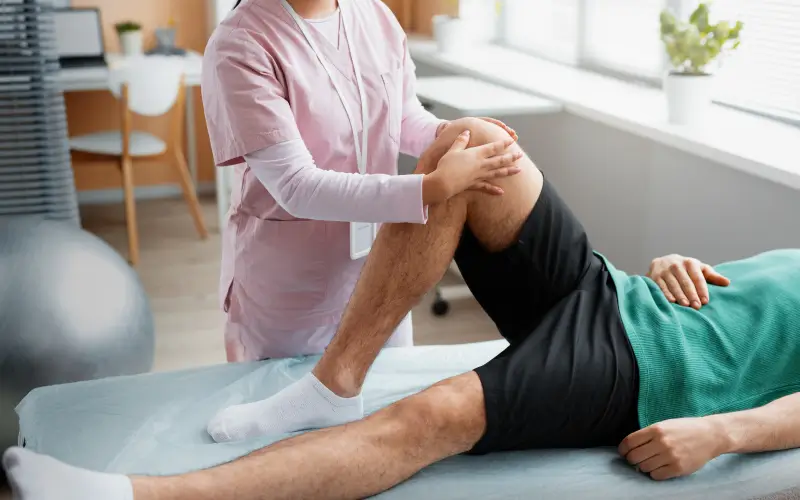
The first step is understanding how the injury happened and what you are experiencing now. Your specialist may ask about pain, swelling, movement, weakness, instability, previous injuries and the activity that caused the problem. A physical examination helps assess the affected muscles, tendons, ligaments and joints.
A clear diagnosis guides the treatment planIdentify the Type and Severity of Injury
Sports injuries can range from mild muscle strains and sprains to ligament tears, tendon injuries, cartilage damage and fractures. When the examination suggests that further evaluation is needed, imaging or other investigations may be recommended to understand the injury more accurately.
Treatment depends on the injury, not just the pain levelBegin the Most Appropriate Treatment
Many sports injuries can be managed without an operation. Depending on the condition, treatment may include temporary activity modification, pain management, support or immobilization, therapeutic exercises and physiotherapy. More significant injuries may require a specialist procedure or surgical treatment.
Non-surgical care is considered when it is appropriateRestore Strength, Mobility and Control
Once the injury is ready for rehabilitation, exercises are introduced according to your condition and stage of recovery. A structured program may work on flexibility, muscle strength, balance, joint control and movement patterns. At Nishat Hospital, physiotherapy includes personalized rehabilitation and sports and performance support.
Rehabilitation is part of treatment, not an afterthoughtGradually Return to Exercise and Sport
Returning to sport too quickly can place unnecessary stress on an incompletely recovered area. Your return should progress according to strength, movement, symptoms and functional ability. The final stages may include sport-specific exercises and guidance designed to help you resume activity with greater confidence.
A gradual return helps support safer performanceStrains and Tendon Injuries
Sudden acceleration, repetitive activity or excessive load can affect muscles and tendons. Treatment is based on the location, severity and functional impact of the injury.
Sprains and Ligament Damage
A sprain can affect the supporting ligaments around a joint. Persistent instability, swelling or restricted movement may need specialist assessment.
Fractures and Acute Injuries
Falls, collisions and direct impact can cause fractures or other significant injuries. Prompt assessment is important when pain, deformity or inability to use the affected area occurs.
Preparing for a Safer Return to Activity
Recovery does not simply mean waiting for pain to disappear. Rebuilding physical capacity can help you regain confidence in movement and prepare the injured area for normal activity.
- Follow the activity restrictions recommended for your injury.
- Complete prescribed strengthening and mobility exercises.
- Increase exercise intensity gradually rather than rushing back.
- Tell your healthcare team if pain, swelling or instability returns.
Rehabilitation That Moves With Your Recovery
Physiotherapy can be an important part of sports injury recovery. Treatment may focus on movement quality, strength, flexibility, balance and functional ability according to the individual injury.
- Personalized exercises can target weakness and restricted movement.
- Progressive training can rebuild physical capacity.
- Movement education can support better exercise habits.
- Return-to-sport progression should match recovery and function.
Explore physiotherapy and sports rehabilitation at Nishat Hospital .
When Should You Seek Sports Injury Treatment?
Not every sports injury requires urgent specialist care, but ongoing pain, significant swelling, repeated instability, weakness, reduced movement or difficulty putting weight on an injured limb should not be ignored. Injuries that continue to affect your performance or everyday activities may benefit from a proper assessment rather than repeated self-treatment. For more serious trauma, prompt medical evaluation is especially important.
Sports injury treatment should be based on the actual condition and your functional needs. Some people improve with activity modification and rehabilitation, while others may need additional orthopedic treatment. Nishat Hospital's Orthopedics and sports injury care combines assessment, treatment planning and rehabilitation for a range of musculoskeletal problems.
For independent information about common sports injuries, recovery and injury prevention, you can also consult the American Academy of Orthopaedic Surgeons' sports injury information . For rehabilitation support, Nishat Hospital's rehabilitation services provide structured care focused on mobility, strength and functional recovery.
Personalized Sports Injury Care at Nishat Hospital, Lucknow
An injury does not have to define how you stay active. With the right assessment and a recovery plan suited to the injury, many people can gradually rebuild movement, strength and confidence. Whether the problem involves a ligament, tendon, muscle, joint or bone, the priority is to understand the cause and choose treatment that supports safe recovery. If you are looking for sports injury treatment in Lucknow, you can connect with Nishat Hospital's Orthopedics team for an individualized evaluation.
From Sports Injury to Recovery: A Care Plan Built Around Your Movement
Sports injury treatment is not simply about controlling pain and waiting for the injured area to feel better. The right approach begins by understanding what has been affected, how serious the injury is and what you need to return to. At Nishat Hospital, sports-related injuries are assessed with attention to symptoms, joint stability, movement, activity level and recovery goals before a treatment pathway is recommended.
Start With a Careful Sports Injury Assessment
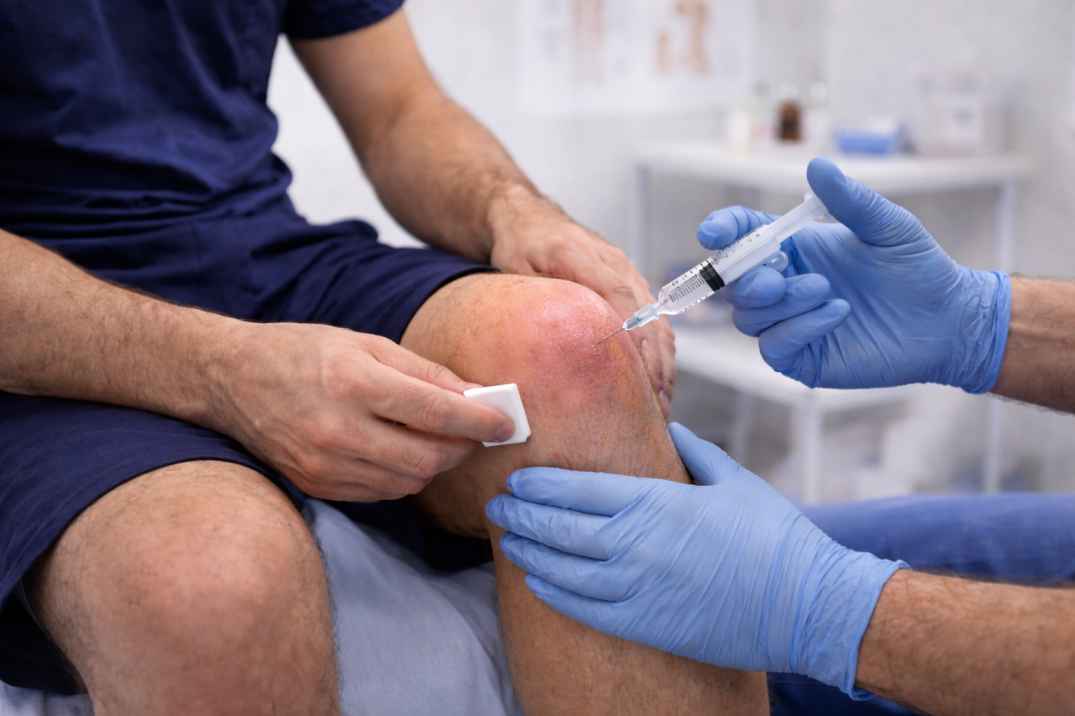
The first step is understanding how the injury happened and what you are experiencing now. Your specialist may ask about a sudden twist, fall, collision, overuse or change in training. Pain, swelling, weakness, restricted movement, locking or a feeling that a joint is giving way can provide important clues. A physical examination helps assess movement and stability, while imaging may be advised when clinically appropriate.
The diagnosis guides the treatment planIdentify the Structure Behind the Problem
A sports injury may involve a muscle, tendon, ligament, cartilage, bone or joint. For example, knee pain after a twisting injury can be associated with an ACL or meniscus problem, while repeated overhead activity may contribute to shoulder tendon or other soft-tissue problems. Understanding the structure involved helps distinguish an injury that may respond to rehabilitation from one that needs more specialised treatment.
Different injuries need different solutionsChoose Between Rehabilitation and Procedural Treatment
Not every sports injury requires surgery. Depending on the diagnosis, treatment may include temporary activity modification, guided exercises, physiotherapy, pain management and a gradual return to normal movement. More significant ligament, cartilage or structural injuries may require a discussion about a procedure or surgery. The decision should take into account the injury, physical demands, age, activity goals and overall health.
Surgery is considered when it is clinically appropriateRestore Strength, Mobility and Joint Control
Once the acute problem is being managed, rehabilitation becomes an important part of recovery. A structured programme can work on flexibility, muscle strength, balance, coordination and controlled movement. For athletes, rehabilitation should gradually prepare the injured area for the demands of training rather than moving directly from rest to full activity. Physiotherapy may form an important part of this stage.
Recovery should progress graduallyReturn to Sport With a Clearer Recovery Strategy
Feeling less pain does not always mean that an injured joint or muscle is ready for competitive sport. The final stage focuses on rebuilding confidence, strength and functional movement while gradually increasing activity. Your return should be based on recovery progress and professional guidance rather than a fixed timeline. If the injury involved surgery, rehabilitation may continue for several months depending on the procedure and individual progress.
The goal is a safe and sustainable return to activityACL & Meniscus Problems
Twisting, sudden direction changes and sports collisions can affect the knee ligaments or meniscus. Depending on the injury, treatment may involve rehabilitation or specialist surgical assessment. Learn more about ACL injuries .
Muscle & Tendon Strains
Sudden increases in training or forceful movement can strain muscles and tendons. Treatment often focuses on symptom control, appropriate loading and progressive rehabilitation rather than rushing back into demanding activity.
Shoulder & Ankle Problems
Falls, contact, landing injuries and repetitive movements can affect the shoulder or ankle. Assessment helps determine whether the injury needs rehabilitation, further investigation or specialist treatment.
Reducing the Risk of Another Sports Injury
Returning to activity is only one part of good sports injury care. Once the injury has settled, building back strength and movement can help prepare the body for normal training demands.
- Increase training intensity gradually instead of making sudden changes to workload.
- Include appropriate strength, mobility and balance exercises in your training routine.
- Allow enough recovery between demanding sessions and competitions.
- Follow the rehabilitation programme recommended for your specific injury.
- Do not ignore recurring pain, instability or swelling during exercise.
What Does Sports Injury Recovery Involve?
Recovery varies according to the injury. Some strains and sprains improve with conservative treatment, while more serious structural injuries can require longer rehabilitation or surgery. The aim is to restore useful movement and function before progressively returning to demanding activity.
- Early management may focus on protecting the injured area and controlling symptoms.
- Physiotherapy can help rebuild strength, flexibility, balance and movement control.
- Activity should be increased progressively as function improves.
- Following professional rehabilitation advice can help avoid an unnecessarily rushed return to sport.
For general information about sprains, strains and recovery, see the NHS guide to sprains and strains .
Sports injury treatment should be based on the actual cause of your symptoms rather than simply the sport you play. Persistent pain, repeated swelling, joint instability, restricted movement or difficulty returning to normal activity deserves an appropriate assessment. At Nishat Hospital Orthopedics , patients can discuss sports-related knee, shoulder, ankle, ligament, muscle and joint problems with an orthopaedic team and understand the treatment options available for their condition. For patients looking for additional educational information, the American Academy of Orthopaedic Surgeons offers patient resources covering many common sports and musculoskeletal injuries. The aim of treatment is not simply to get you back on the field as quickly as possible. A well-planned recovery should help restore movement, strength and confidence while reducing the risk of returning before the injured area is ready.