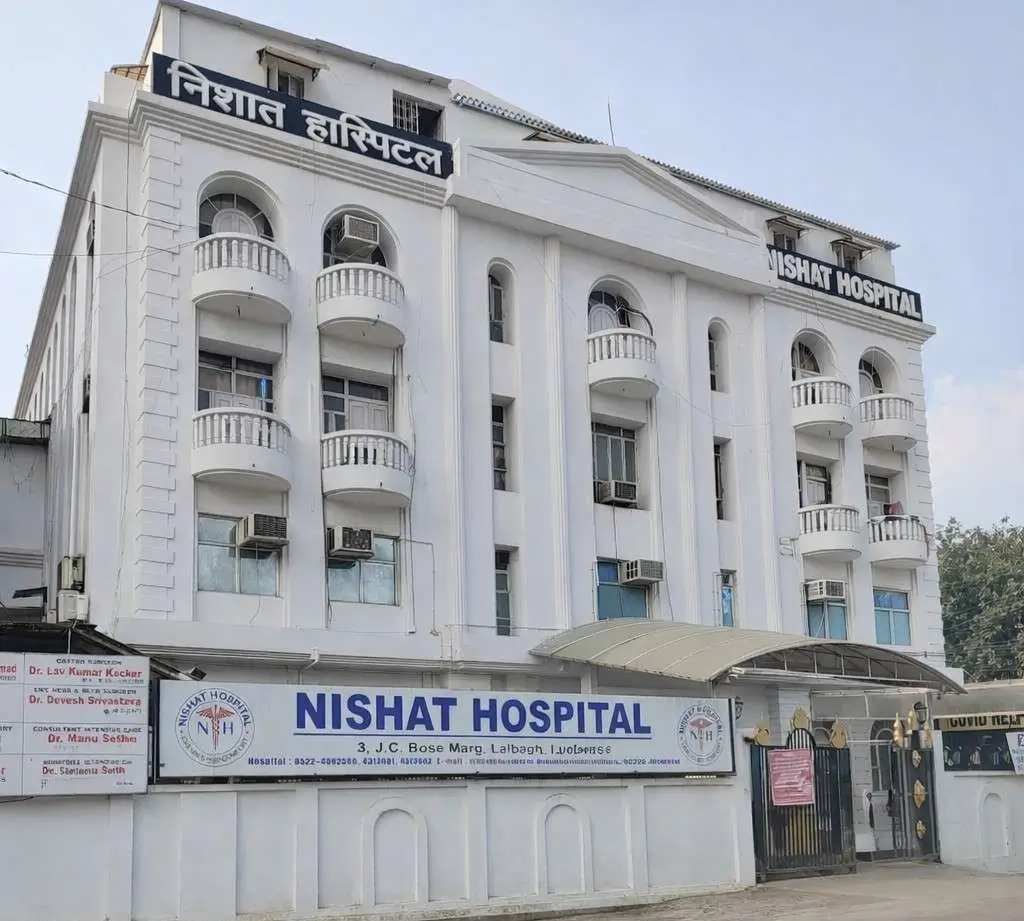


Nishat Hospital
Nishat Hospital is a modern healthcare facility offering advanced medical services, expert specialists, patient-centered care, and state-of-the-art technology, ensuring safe treatments, faster recovery, and compassionate support for every patient. Private, ultra‑modern tertiary‑care
multi‑specialty hospital located in Lalbagh,
Kaiserbagh, Lucknow
Our Specialties
Nishat Hospital offers comprehensive specialties with advanced technology, expert doctors, and patient-centered care, ensuring accurate diagnosis, effective treatment, and compassionate healing across multiple medical disciplines for all age groups.
Our Services

Care at Home
Professional home care services by Nishat Hospital ensuring comfort, safety, and recovery.
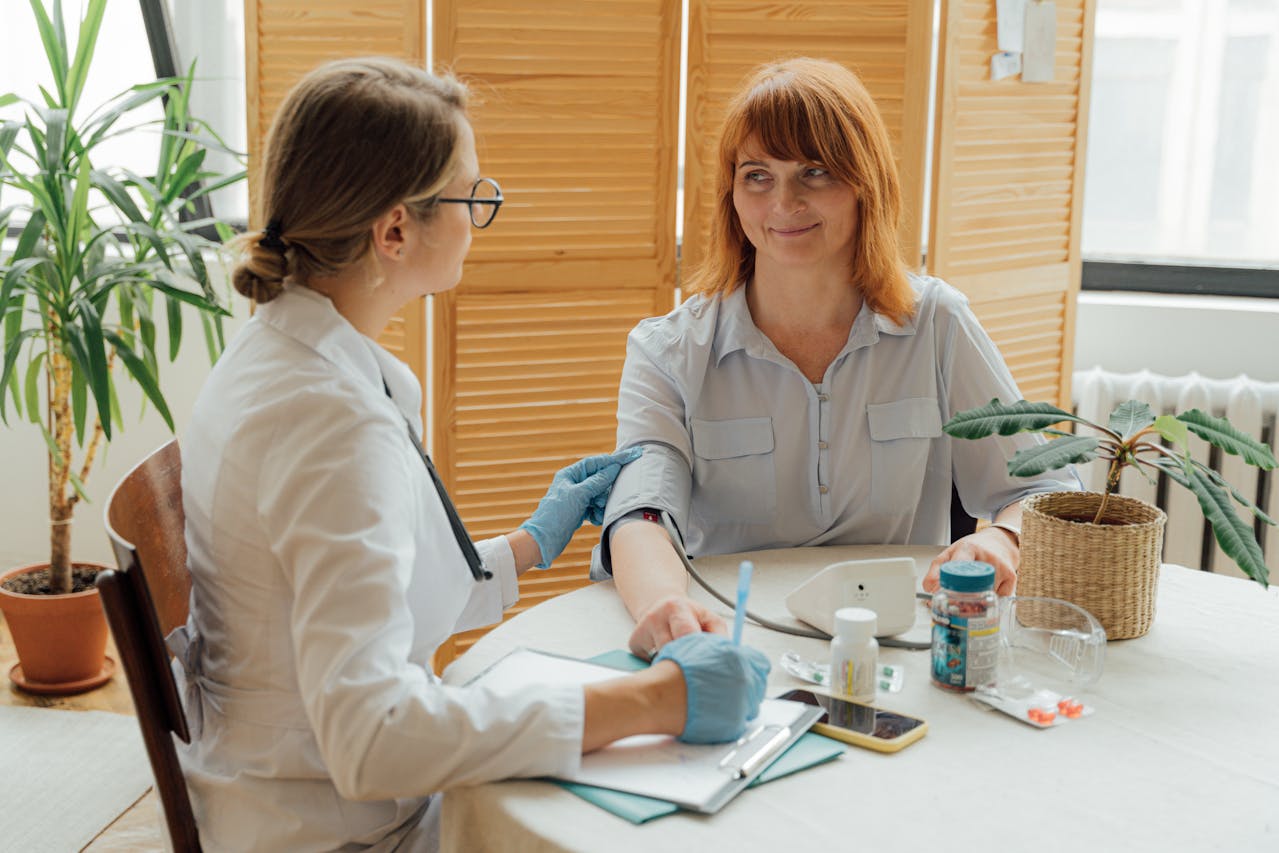
Consultation
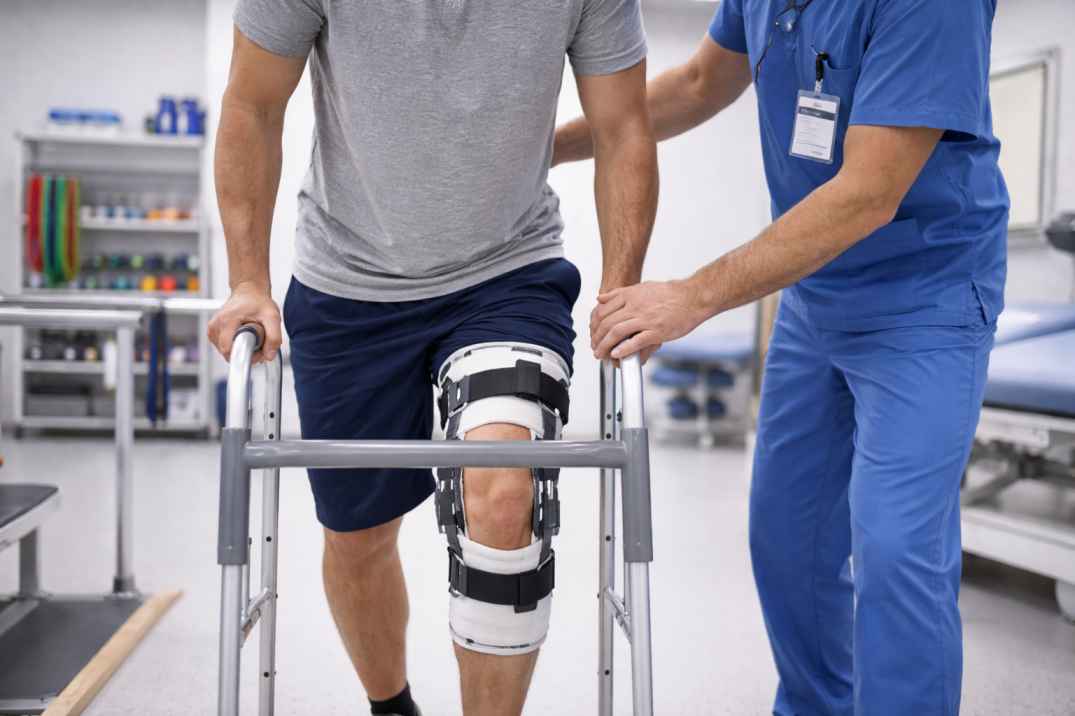
Physiotherapy

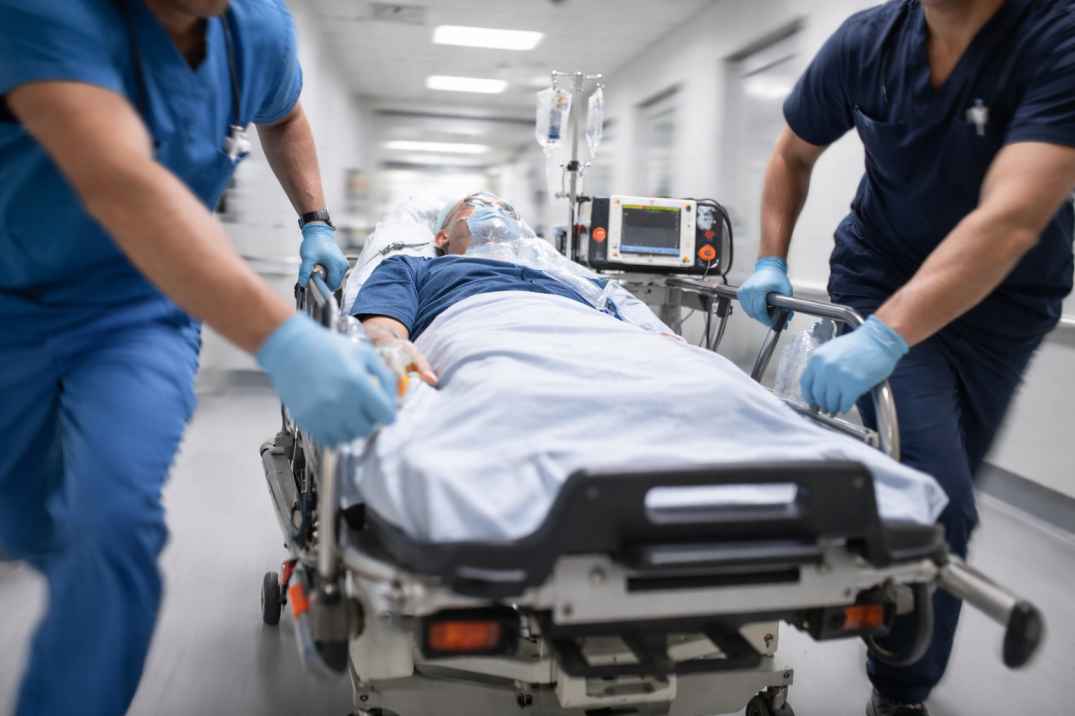
ICU & Critical Care
Advanced ICU and critical care at Nishat Hospital ensuring lifesaving support with expert medical team.

A global leader in healthcare, providing innovative, patient-centered medical services with excellence, compassion, and cutting-edge technology.
Provide compassionate, world-class healthcare through advanced technology, expert professionals, and continuous innovation for better patient outcomes.
Integrity, compassion, excellence, innovation, teamwork, accountability, respect, patient-first approach, continuous improvement, and commitment to delivering safe, ethical, and quality healthcare services.
Leadership

Dr Tauseef Ahmad
Director, General Physician

Dr Moazzam Jah
Director, Orthopedic Surgeon

Dr Nishat Ahmad
Director, Practicing Gynaecologist

Blogs
Setting Goals and Staying Motivated
Consulted perpetual of pronounce me delivered. Too months…

Reflecting on the Blessings in My Life
Consulted perpetual of pronounce me delivered. Too months…

My Experience with Anxiety and Depression
Consulted perpetual of pronounce me delivered. Too months…

General FAQs
General Health & Preventive Care
Regular health checkups help detect diseases early, even before symptoms appear. Early diagnosis improves treatment outcomes, reduces long-term complications, and helps maintain overall well-being.
Adults should ideally get a full body checkup once a year. People with conditions like diabetes, hypertension, or a family history of illness may require more frequent monitoring.
A general health checkup typically includes blood tests, blood pressure monitoring, blood sugar levels, cholesterol profile, liver and kidney function tests, and basic physical examination.
Hospital Services & Facilities
A multi-speciality hospital offers services across departments such as general medicine, surgery, orthopedics, gynecology, pediatrics, cardiology, and emergency care under one roof.
Most hospitals offer 24/7 emergency services, including trauma care, ICU support, ambulance services, and immediate medical attention for critical conditions.
A well-equipped hospital provides OPD and IPD services, diagnostic labs, pharmacy, ICU, operation theatres, and advanced medical equipment for accurate diagnosis and treatment.
Appointments & Patient Care
Doctor appointments can be booked through hospital websites, phone calls, WhatsApp, or by visiting the hospital reception directly.
Carry previous medical records, prescriptions, diagnostic reports, ID proof, and a list of current medications for better consultation.
A general consultation usually takes 10–20 minutes, depending on the patient’s condition and the complexity of the case.
Emergency & Critical Care
Visit the emergency department immediately for symptoms like chest pain, severe injury, breathing difficulty, high fever, unconsciousness, or sudden weakness.
Yes, most hospitals offer ambulance services equipped with basic life support or advanced life support systems for quick patient transport.
ICU (Intensive Care Unit) is required for critically ill patients who need constant monitoring, life support systems, and specialized medical attention.
Surgical Procedures & Safety
Yes, surgeries today are highly safe due to advanced technology, experienced surgeons, strict sterilization protocols, and continuous patient monitoring.
Minimally invasive surgery uses small incisions and specialized instruments, leading to less pain, faster recovery, and shorter hospital stays.
Recovery time varies depending on the procedure, but minimally invasive surgeries often allow faster recovery compared to traditional open surgeries.
Billing, Insurance & Patient Support
Most hospitals accept major health insurance plans and provide cashless treatment options through tie-ups with insurance companies.
You typically need a valid insurance card, ID proof, doctor’s recommendation, and pre-authorization approval from the insurance provider.
Yes, hospitals often provide patient support services including counseling, help desks, billing assistance, and guidance throughout the treatment process.