



More

Treatments

ORTHOPAEDICS · ARTHRITIS CARE

Arthritis Treatment for Lasting Joint Pain & Better Mobility

Arthritis can cause joint pain, stiffness, swelling and reduced movement, making everyday activities such as walking, climbing stairs or using your hands more difficult. At Nishat Hospital, arthritis treatment is planned around the type and severity of arthritis, the affected joint, symptoms, activity level and overall health.
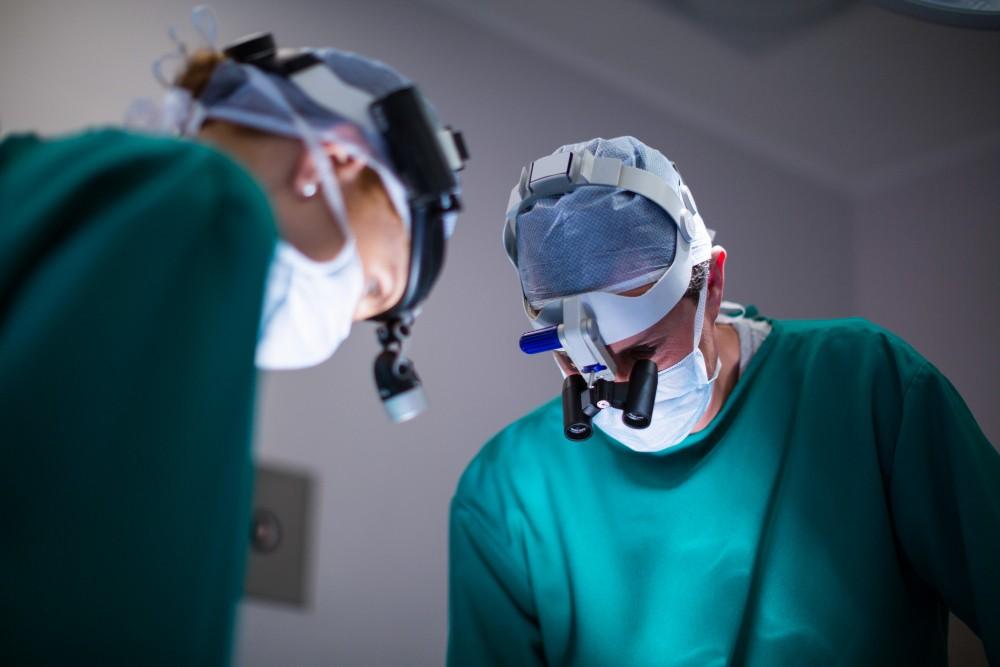
Arthritis treatment and joint pain care at Nishat Hospital Lucknow
Personalised care for painful and stiff joints Arthritis management may include lifestyle changes, medicines, exercise therapy, injections or surgery, depending on the diagnosis and condition of the joint.

Arthritis treatment starts with identifying what is causing your joint symptoms.

Arthritis is not a single condition. Osteoarthritis, rheumatoid arthritis, gout and other forms of arthritis can affect joints in different ways. The Orthopedics team at Nishat Hospital can assess your symptoms, joint movement and medical history to help determine the appropriate treatment approach. Information from trusted resources such as NIAMS can also help patients understand osteoarthritis and its common symptoms.

Effective joint care begins with understanding your symptoms, diagnosis and daily movement needs.

01

Are joint pain and stiffness affecting your daily routine?

Persistent knee, hip, shoulder, hand or other joint pain can make walking, climbing stairs, working or performing household activities difficult. A clinical assessment can help identify whether arthritis or another joint condition may be responsible.

02

Are swelling, tenderness or reduced movement becoming persistent?

Recurrent swelling, morning stiffness, tenderness, grinding sensations or difficulty moving a joint may indicate an underlying joint problem. Early evaluation can help establish an appropriate management plan before symptoms increasingly interfere with mobility.

03

Could your joint benefit from a personalised treatment plan?

Depending on the type and severity of arthritis, treatment may involve exercise and physiotherapy, weight management, activity modification, medicines or other options. Advanced arthritis with significant joint damage may require discussion of surgical treatment.

✓

The goal is to reduce pain, maintain joint function and support mobility.

A suitable arthritis treatment plan depends on the individual diagnosis and how the condition affects daily life. Conservative care may help manage symptoms and preserve movement, while some patients with advanced joint damage may need procedures or joint replacement. The Nishat Hospital Orthopedics service provides assessment and treatment planning for a range of bone and joint conditions. For additional patient information, NHS guidance on arthritis explains common symptoms, causes and treatment approaches.

UNDERSTANDING ARTHRITIS TREATMENT

How Is Arthritis Treated?

Arthritis treatment is not the same for everyone. The right approach depends on the type of arthritis, the joint involved, the severity of symptoms and how the condition affects everyday movement. Treatment may include exercise, physiotherapy, medicines, lifestyle changes, injections or surgery when joint damage becomes advanced.

Arthritis treatment and joint pain management at Nishat Hospital Lucknow
Personalised treatment for painful, stiff and affected joints. Arthritis care focuses on reducing symptoms, maintaining joint movement and helping patients stay active through an appropriate combination of non-surgical and surgical treatment when required.
01

Diagnosis & Joint Assessment

Treatment begins with understanding why the joint is painful or stiff. Your orthopaedic specialist may review your symptoms, medical history, joint movement and physical examination. X-rays or other imaging may be recommended when needed to assess changes within the joint.

02

Exercise, Physiotherapy & Lifestyle Changes

Many people with arthritis can benefit from a structured non-surgical treatment plan. Depending on the condition, this may include physiotherapy, strengthening exercises, mobility work, weight management and changes to activities that place excessive stress on the affected joint.

03

Medicines & Symptom Management

Medicines may be recommended to help manage pain, inflammation or other symptoms depending on the type of arthritis. The choice of medication should be based on the individual's medical history, other medicines and the advice of a qualified healthcare professional.

04

Advanced Treatment When Needed

When arthritis causes significant joint damage or symptoms continue despite non-surgical care, an orthopaedic specialist may discuss procedures or joint replacement. The recommended treatment depends on the affected joint, imaging findings, symptoms and overall health.

What Does Arthritis Treatment Involve?

Arthritis management usually develops over time rather than relying on a single treatment. Your care plan may change as symptoms, mobility and the condition of the joint change. The goal is to manage pain, preserve function and help you maintain an active and independent lifestyle.

✓

A personalised exercise or physiotherapy programme may help improve joint movement, muscle strength and everyday mobility while reducing stress on affected joints.

✓

Maintaining a healthy weight can reduce mechanical stress on weight-bearing joints such as the knees and hips. Your doctor can advise on appropriate activity and lifestyle measures.

✓

Depending on the diagnosis, medicines or other treatments may be considered to help control pain, inflammation and stiffness. Treatment should always be selected according to individual medical needs.

✓

If advanced arthritis significantly affects daily life, an orthopaedic specialist may discuss joint replacement or another procedure after reviewing symptoms, examination findings and imaging.

ARTHRITIS RECOVERY & LONG-TERM CARE

The aim is to improve comfort, movement and quality of life.

Managing arthritis is often a long-term process. Some patients experience meaningful improvement through exercise, physiotherapy, lifestyle changes and appropriate medicines, while others with advanced joint damage may eventually need a procedure or joint replacement. The Orthopedics service at Nishat Hospital can help assess joint problems and develop an appropriate treatment plan. For reliable general information, the National Institute of Arthritis and Musculoskeletal and Skin Diseases provides patient information about osteoarthritis, its symptoms and management. Treatment and recovery vary between individuals, so your specialist can explain what may be appropriate for your particular condition.

UNDERSTANDING ARTHRITIS

When Should You Seek Treatment for Arthritis?

Arthritis treatment is worth discussing when joint pain, stiffness, swelling or reduced movement starts interfering with everyday life. Early assessment can help identify the type of arthritis and guide a treatment plan focused on maintaining mobility, managing symptoms and protecting joint function.

01

Joint pain is affecting your daily activities

Persistent pain in the knees, hips, hands, shoulders or other joints can make walking, climbing stairs, working, exercising or completing household activities more difficult. A specialist assessment can help determine whether arthritis is contributing to these changes.

02

Stiffness or swelling keeps returning

Recurrent swelling, morning stiffness, tenderness, reduced flexibility or difficulty moving a joint should not simply be ignored. These symptoms can have different causes, so an appropriate evaluation is important before choosing long-term treatment.

03

Symptoms continue despite self-care

Activity modification, exercise, physiotherapy and other conservative measures can help many people manage arthritis. If symptoms remain troublesome or continue to limit movement, an orthopaedic consultation can help determine whether your treatment plan needs to be adjusted.

What symptoms may prompt an arthritis assessment?

Arthritis does not affect everyone in the same way. A combination of symptoms, examination findings, medical history and, when needed, imaging helps your doctor understand what may be affecting the joint.

✓

Persistent or recurring joint pain during movement or rest.

✓

Morning stiffness, swelling or tenderness around a joint.

✓

Reduced range of motion or difficulty with everyday activities.

✓

Symptoms that continue despite appropriate non-surgical care.

ARTHRITIS TREATMENT OPTIONS

What Does Arthritis Treatment Involve?

There is no single treatment that works for every type of arthritis. Your care plan depends on the cause of your symptoms, the joint affected, the severity of the condition and how arthritis is affecting your daily life. Treatment often begins with non-surgical measures and may progress to procedures or surgery when appropriate.
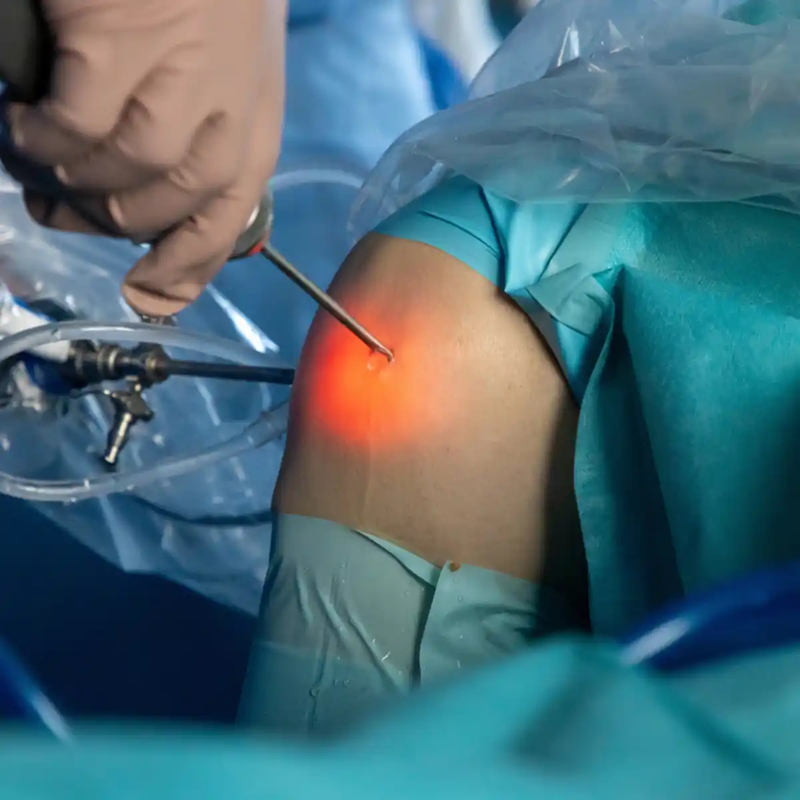
Arthritis treatment and joint care at Nishat Hospital in Lucknow
Arthritis care is planned around your symptoms and joint health. Treatment may combine exercise, physiotherapy, lifestyle measures, medicines and other options depending on the diagnosis and individual needs.
HOW TREATMENT IS PLANNED

Managing arthritis is about more than simply treating pain.

A personalised treatment plan aims to improve comfort, maintain joint movement and help you continue everyday activities. For osteoarthritis, trusted guidance from NIAMS describes approaches that may include physical activity, weight management, medicines and other treatments.

01

Non-Surgical Care

Exercise, physiotherapy, activity modification and healthy weight management can help improve strength, flexibility and function. Your treatment plan should be adapted to the affected joint and your overall health.

02

Medicines & Other Treatments

Depending on the type of arthritis, your doctor may recommend medicines or other treatments to manage pain and inflammation. The NHS arthritis guidance provides general information about common symptoms and treatment approaches.

Which arthritis treatment may be appropriate?

Treatment is selected according to the type of arthritis, symptoms, joint condition and response to earlier care.

EARLY OR MODERATE SYMPTOMS

Conservative joint care

Many people can manage symptoms through a combination of exercise, physiotherapy, activity modification, weight management and appropriate medical treatment. Regular movement can be an important part of maintaining strength and joint function.

ADVANCED JOINT DAMAGE

Surgical treatment may be discussed

When severe arthritis causes persistent pain, significant loss of movement or difficulty with everyday activities despite non-surgical treatment, an orthopaedic specialist may discuss procedures such as joint replacement. The decision depends on individual clinical findings.

The goal is to keep you moving with a treatment plan that fits your needs.

Arthritis management works best when treatment reflects the individual's symptoms, lifestyle and overall health. At Nishat Hospital Orthopedics , patients can receive specialist evaluation for a range of bone and joint problems. If arthritis has progressed and significantly affects mobility, your orthopaedic specialist can explain whether additional treatment or surgery may be appropriate. The aim is not simply to reduce pain, but to support useful movement and quality of life.


COMMON QUESTIONS

Arthritis Treatment FAQs

Get clear answers about arthritis symptoms, diagnosis, treatment options, physiotherapy, medicines, joint care, surgery, recovery and the cost of arthritis treatment at Nishat Hospital.

About Arthritis
Arthritis is a broad term used for conditions that affect the joints and can cause pain, stiffness, swelling or reduced movement. Symptoms may make everyday activities such as walking, climbing stairs, working or getting up from a chair more difficult. The right treatment depends on the type of arthritis and the joints involved. The National Institute of Arthritis and Musculoskeletal and Skin Diseases provides further information about osteoarthritis and joint health.
Common symptoms can include joint pain, stiffness, swelling, tenderness and difficulty moving the affected joint. Some people notice stiffness after resting or when they first become active. Symptoms can vary considerably, so persistent joint problems should be assessed rather than assumed to be caused by normal ageing.
No. Although some forms of arthritis become more common with age, arthritis can affect people at different stages of life. Previous injuries, joint wear, autoimmune conditions and other factors can contribute to different types of joint disease. An accurate diagnosis is important before deciding on treatment.
There is no single cure for every type of arthritis. Treatment focuses on controlling symptoms, maintaining joint movement, improving strength and helping you remain active. Depending on the condition, care may include exercise, physiotherapy, medicines, lifestyle changes or surgery when joint damage is advanced.
Diagnosis usually begins with your medical history and a physical examination of the affected joint. Depending on your symptoms, the doctor may recommend X-rays or other imaging, blood tests or additional investigations. The aim is to identify the type and severity of the joint problem and rule out other possible causes of pain.
An X-ray may be useful when a doctor needs to assess changes such as narrowing of the joint space or other structural changes. However, not every person with joint pain needs the same tests. The investigations are selected according to your symptoms and examination findings.
Consider an assessment when joint pain or stiffness continues, repeatedly returns, limits movement or begins interfering with work, sleep or everyday activities. You can learn more about specialist joint care through Nishat Hospital's Orthopedics department .
Yes. Some forms of arthritis can affect several joints, while others may primarily involve one area. The pattern of symptoms, examination findings and test results can help determine what type of joint condition is present and how it should be managed.
Arthritis treatment depends on the diagnosis, symptoms and degree of joint damage. Management may include physical activity, physiotherapy, weight management where appropriate, medicines and other supportive measures. When severe joint damage causes persistent symptoms despite non-surgical care, surgery may sometimes be discussed.
Yes. Many people begin with non-surgical management. Depending on the condition, this may include targeted exercise, physiotherapy, activity modification, weight management, medicines and other measures recommended by a healthcare professional. Surgery is not automatically required simply because arthritis is present.
Physiotherapy can help improve movement, muscle strength, balance and function. A programme is usually adapted to the affected joint and your current ability. Consistent, appropriate exercise can be an important part of long-term joint management.
Medicines may be recommended depending on the type of arthritis, the severity of symptoms and your overall health. The choice can include pain-relieving or anti-inflammatory medicines, but these are not suitable for everyone. Use medicines only according to advice from a qualified healthcare professional.
Joint replacement may be discussed when advanced joint damage causes ongoing pain and significant difficulty with everyday activities, particularly when appropriate non-surgical treatments have not provided enough relief. The decision is individual and depends on symptoms, examination and overall health.
Appropriate exercise can help maintain joint movement and strengthen the muscles supporting the affected area. Low-impact activities may be easier for some people, but the right programme depends on the joint involved and your symptoms. Exercise should be progressed gradually and safely.
For people who are overweight, gradual weight management may reduce stress on weight-bearing joints such as the knees and hips. It can be one part of a broader treatment plan alongside exercise, physiotherapy and other measures recommended for your condition.
There is no universal list of activities that everyone with arthritis must avoid. Activities that repeatedly increase pain or place excessive stress on an affected joint may need to be modified. A physiotherapist or orthopaedic specialist can help you find safer ways to stay active.
Healthy habits can support joint function and overall wellbeing. Staying physically active, maintaining a healthy weight where appropriate and following an individual treatment plan can make day-to-day symptoms easier to manage. Your doctor can help decide which changes are most suitable for you.
Not necessarily. Surgery is considered based on the severity of symptoms, joint damage, effect on daily life and response to other treatments. A specialist assessment helps determine whether continued non-surgical care or a surgical option should be discussed.
Advanced arthritis can lead to persistent pain, stiffness, reduced walking ability and difficulty with routine activities. Depending on the extent of damage and symptoms, treatment may include continued non-surgical care or discussion of procedures such as knee replacement.
Recovery varies according to the procedure, joint involved, general health and rehabilitation plan. After surgery, physiotherapy and gradual return to activity are often an important part of recovery. Your surgeon will provide instructions based on the procedure performed.
Joint replacement removes and replaces the damaged joint surfaces being treated, but it does not prevent every possible source of pain or problems elsewhere in the body. Long-term results depend on the individual, the implant, rehabilitation and ongoing care.
Reliable information can help you prepare for a consultation. The NHS arthritis information explains common symptoms and treatment approaches. For individual advice, discuss your symptoms and treatment options with an orthopaedic professional.
There is no single cost because arthritis treatment can range from consultation, medicines and physiotherapy to injections or surgery, depending on the diagnosis and severity. If a procedure is recommended, the total estimate may also depend on investigations, anaesthesia, hospital stay and rehabilitation.
Costs can vary according to the type of arthritis, investigations, medicines, physiotherapy, treatment duration and whether a surgical procedure is required. For surgery, factors such as the procedure, implant where applicable, hospital stay and follow-up care may also influence the overall estimate.
You can arrange an orthopaedic consultation at Nishat Hospital to discuss persistent joint pain, stiffness or arthritis symptoms. For appointments, call 0522 408 2590 or use the online appointment option .
Arthritis care can begin with an assessment of your symptoms, joint movement and functional limitations. Depending on the diagnosis, treatment may involve conservative management, physiotherapy, medicines or discussion of surgical options when appropriate. Explore the Orthopedics services at Nishat Hospital to learn more about available specialist care.
Arthritis is not one single condition, and two people with similar joint pain may need different approaches. A personalised plan considers the affected joint, symptoms, examination findings, activity level, existing health conditions and treatment goals. This helps avoid a one-size-fits-all approach to joint care.
Scroll to Top