Compassionate Pediatric Care for Every Stage of Childhood

Compassionate pediatric care with expert diagnosis, vaccinations, growth monitoring, and personalized treatment for every stage of childhood.

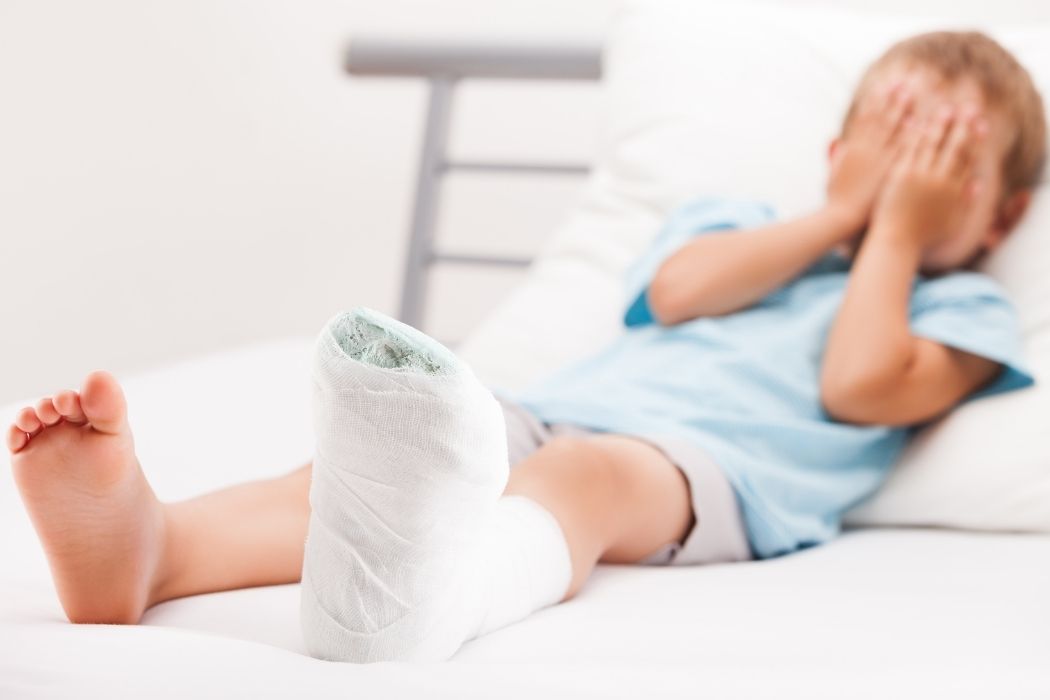
Child with a leg cast receiving pediatric fracture care at Nishat Hospital in Lucknow.
PEDIATRIC ORTHOPAEDICS · CHILD BONE & JOINT CARE

Pediatric Orthopedics for Growing Bones, Joints & Mobility

Children can experience fractures, walking problems, joint pain, limb deformities, sports injuries and other bone or muscle conditions as they grow. Pediatric orthopedic care focuses on understanding these problems early and choosing age-appropriate treatment to support healthy movement and development.
Pediatric orthopedic care and child bone and joint treatment at Nishat Hospital in Lucknow
Specialized care for growing children Pediatric orthopedics focuses on children's bones, joints, muscles, spine, feet and movement during growth.

Not every childhood bone or joint problem needs surgery.

Children may develop orthopedic concerns for many different reasons. Some problems improve naturally with growth, while others may require observation, physiotherapy, medicines, casting, bracing or specialist treatment. A pediatric orthopedic assessment helps identify the cause and determine the most appropriate care for the child's age and stage of development.

Understanding your child's symptoms is the first step toward the right care.

01

Is your child having difficulty walking or moving normally?

Persistent limping, unusual walking patterns, toe walking, difficulty running or changes in movement may need a detailed pediatric orthopedic evaluation.

02

Has your child developed pain, swelling or an injury?

Pain or swelling after a fall, sports activity or other injury, as well as recurring discomfort in the bones, joints or muscles, can be assessed to determine the appropriate treatment.

03

Are you looking for a pediatrician near you?

Parents searching for a pediatrician near me, a good pediatrician near me or a trusted pediatric dr near me may also need specialist orthopedic care when a child's concern involves bones, joints, limbs, feet, spine or movement.

The goal is healthy growth, comfortable movement and better function.

Pediatric orthopedic care is designed around the child's individual needs and stage of growth. Treatment may involve observation, physiotherapy, casting, bracing, rehabilitation or surgery when clinically appropriate. The aim is to address the underlying orthopedic condition while supporting the child's ability to walk, play, learn and take part in everyday activities.

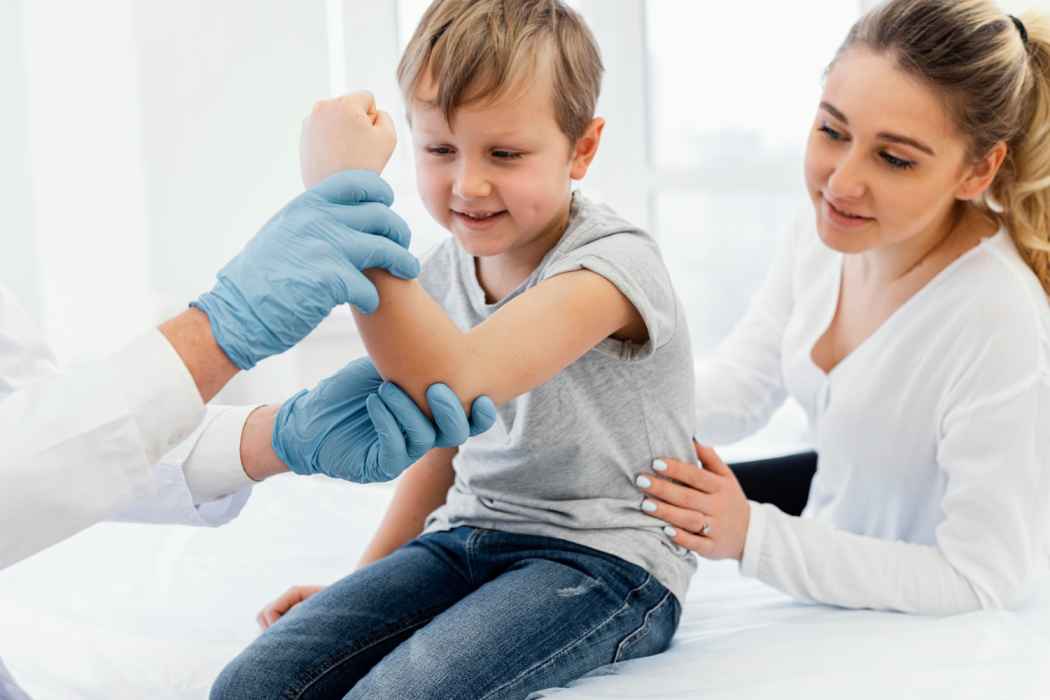
Pediatrician examining a child's arm during a pediatric consultation at Nishat Hospital in Lucknow.

Leading Pediatric & Newborn Care Hospital

Nishat Hospital is a leading pediatric and newborn care hospital dedicated to providing comprehensive healthcare for infants, children, and adolescents. Our experienced pediatric specialists offer preventive care, vaccinations, growth and development monitoring, accurate diagnosis, and personalized treatment using evidence-based medical practices to support every child’s healthy growth, recovery, and long-term well-being.

UNDERSTANDING PEDIATRIC ORTHOPEDICS

Pediatric Orthopedics for Growing Bones, Joints & Mobility

Pediatric orthopedics focuses on the diagnosis and treatment of bone, joint, muscle, spine, foot and limb conditions in babies, children and teenagers. From childhood fractures and sports injuries to clubfoot, gait problems, hip conditions and spinal concerns, specialist assessment helps determine the right care for a growing child.

Every child develops differently

Pediatric orthopedic treatment is planned around your child's growth and condition.

A child's bones and joints are still developing, so orthopedic care needs to consider age, growth, symptoms, movement and future function. A pediatric orthopedic specialist evaluates the child's condition and recommends observation, rehabilitation, bracing, casting or surgery when clinically appropriate.

What is causing your child's problem?

The doctor considers the child's symptoms, development, movement, previous injuries and physical examination to understand the underlying orthopedic concern.

Which part of the body is affected?

Pediatric orthopedic care may involve the hip, knee, ankle, foot, spine, shoulder, elbow, hand or other parts of the musculoskeletal system.

Does your child need treatment now?

Not every childhood orthopedic condition requires surgery. Depending on the diagnosis, treatment may include monitoring, physiotherapy, activity modification, orthotic support, casting, bracing or a surgical procedure.

PEDIATRIC ORTHOPEDIC CARE

A detailed assessment helps identify children's bone and joint problems.

During a pediatric orthopedic consultation, the specialist reviews the child's symptoms, medical history, growth and physical movement. Depending on the concern, examination may include posture, walking pattern, joint movement, muscle strength and limb alignment. Imaging such as an X-ray or ultrasound may be recommended when clinically necessary.

01

Understand the child's symptoms

Persistent pain, swelling, limping, difficulty walking, an unusual foot position or a change in movement can provide important clues about a child's orthopedic health.

02

Examine growth, movement and alignment

The specialist may assess posture, gait, joint flexibility, muscle strength, limb length and alignment to understand how the condition may be affecting the child's movement and development.

03

Create an age-appropriate treatment plan

Treatment is selected according to the child's diagnosis, age and stage of growth. Depending on the condition, care may include observation, physiotherapy, casting, bracing, rehabilitation or surgery.

COMMON PEDIATRIC ORTHOPEDIC CONDITIONS

What conditions does a pediatric orthopedic specialist treat?

Pediatric orthopedic specialists manage a wide range of musculoskeletal conditions affecting children and adolescents. Early evaluation can help parents understand whether a condition needs treatment, monitoring or specialist follow-up.

01

Childhood Fractures & Sports Injuries

Children can experience fractures, sprains, joint injuries and sports-related problems during play, school activities or athletics. Treatment depends on the injury and may include immobilization, rehabilitation or surgery when required. Explore orthopedic care at Nishat Hospital .

02

Clubfoot, Foot Problems & Gait Disorders

Clubfoot, flat feet, in-toeing, out-toeing, toe walking and other foot or gait concerns may require pediatric orthopedic assessment. The NHS explains that babies with suspected clubfoot may be assessed by a specialist in children's muscles and bones. Read the NHS guide to clubfoot .

03

Hip Conditions, Scoliosis & Limb Problems

Pediatric orthopedic care can also include developmental hip dysplasia, limb-length differences, bow legs, knock knees, scoliosis and other conditions that develop during childhood. Specialist assessment helps determine whether monitoring, bracing, rehabilitation or further treatment is appropriate. Learn more about scoliosis in children .

Looking for a pediatrician near me or a pediatric orthopedic doctor in Lucknow?

Parents often search online for a pediatrician near me, good pediatrician near me or pediatric dr near me when their child has ongoing health concerns. If the concern specifically involves bones, joints, muscles, walking, posture, limbs, feet, hips or the spine, a pediatric orthopedic specialist may be the appropriate healthcare professional to assess the problem. You can view doctors at Nishat Hospital or contact the hospital for an appointment .

Specialist care for growing children

When should parents consider pediatric orthopedic care?

A child may benefit from an orthopedic assessment when a musculoskeletal concern is persistent, worsening or affecting everyday activities. Parents should discuss concerns such as repeated limping, persistent joint pain, abnormal walking, noticeable limb differences, spinal curvature or an injury that does not seem to be improving.

Persistent pain or swelling

Ongoing pain in a child's bone, joint, muscle, knee, hip, ankle, foot or other area should be assessed when it persists or interferes with normal activities.

Unusual walking or posture

Persistent limping, toe walking, changes in gait, uneven shoulders or other noticeable changes in movement can warrant professional evaluation.

Injury or repeated sports problems

A fracture, recurring sports injury, joint instability or pain that returns with activity may require assessment by an orthopedic specialist for children.

Every child's orthopedic treatment is different.

Pediatric orthopedic care should be based on an individual clinical assessment rather than an online diagnosis. Some childhood musculoskeletal conditions can be safely monitored, while others benefit from early treatment. A pediatric orthopedic specialist can explain the diagnosis, available treatment options and recommended follow-up for your child.

Childhood Vaccination & Preventive Healthcare

Timely Immunizations

Protect children from preventable diseases through recommended vaccinations, ensuring strong immunity and healthy development at every age.

Routine Health Checkups

Regular pediatric examinations monitor growth, detect health concerns early, and support lifelong physical and developmental well-being.

Preventive Health Guidance

Expert advice on nutrition, hygiene, and healthy habits helps prevent illness and promotes overall childhood wellness.

```
PEDIATRIC ORTHOPEDICS

When Should a Child See a Pediatric Orthopedic Specialist?

Pediatric orthopedics focuses on the diagnosis and treatment of bone, joint, muscle, spine, foot and limb conditions in babies, children and teenagers. From childhood fractures and sports injuries to clubfoot, gait problems, hip conditions and spinal concerns, a specialist assessment can help identify the cause of a child's symptoms and guide age-appropriate care. For additional information about children's orthopedic conditions, you can explore pediatric orthopaedic services from Oxford University Hospitals .

01

Your child has ongoing pain or movement problems

Persistent pain, swelling, stiffness or difficulty moving can affect walking, playing, school activities and sports. A pediatric orthopedic evaluation can help determine whether the symptoms are related to an injury, growth-related condition, joint problem or another musculoskeletal concern.

02

Walking or limb alignment looks unusual

Parents may notice toe walking, intoeing, bow legs, knock knees, unequal leg length, unusual foot position or changes in the way a child walks. Some variations are part of normal growth, while others may require assessment by a pediatric orthopedic doctor.

03

A bone, joint, hip, foot or spine condition needs evaluation

Pediatric orthopedic care may be considered for conditions such as developmental dysplasia of the hip, clubfoot, scoliosis, limb deformities, childhood fractures and sports-related musculoskeletal injuries. The treatment plan depends on the child's age, growth, symptoms, diagnosis and functional needs. You can also read the NHS information on developmental dysplasia of the hip .

Common Signs That May Need Pediatric Orthopedic Assessment

Not every childhood bone, joint or walking variation requires treatment. What matters is the child's age, symptoms, development, activity level and how the problem affects everyday movement and function.

Persistent bone, joint, muscle or limb pain.

Difficulty walking, running, climbing stairs or participating in sports.

Unusual gait, toe walking, intoeing or changes in walking pattern.

Uneven legs, limb deformity, hip concerns or changes in spinal alignment.

UNDERSTANDING PEDIATRIC ORTHOPEDICS

What Does a Pediatric Orthopedic Specialist Treat?

Pediatric orthopedics is dedicated to musculoskeletal problems in growing children and teenagers. Because bones, joints and growth plates continue to develop during childhood, assessment and treatment are planned with growth and long-term function in mind.
Pediatric orthopedic consultation for a child with a bone and joint condition
Pediatric orthopedic care considers growth and development. Assessment may include physical examination, movement evaluation and imaging when clinically appropriate.
WHAT IS ASSESSED?

Treatment is planned around the child's age, growth and condition.

A pediatric orthopedic assessment looks at how the child's bones, joints, muscles and limbs are developing and functioning. Depending on the concern, care may involve observation, physiotherapy, orthotic support, activity guidance, casting or other treatments. Pediatric orthopaedic services commonly manage conditions affecting the feet, knees, hips, spine, upper limbs and overall limb growth. Learn more about children's trauma and orthopaedic care .

01

Hip & Lower Limb Conditions

Children may be assessed for developmental dysplasia of the hip, Perthes disease, limb-length differences, alignment concerns and other hip or lower-limb conditions that can affect movement.

02

Foot & Gait Problems

Pediatric orthopedic care may include assessment of clubfoot, flat feet, intoeing, toe walking and other gait or foot concerns. For reliable patient information, you can read the NHS guide to clubfoot .

Which Pediatric Orthopedic Conditions Can Be Assessed?

Children can develop a wide range of orthopedic and musculoskeletal conditions. The appropriate evaluation depends on the symptoms, age, physical development and the effect of the condition on daily activities.

CHILDHOOD ORTHOPEDIC CONDITIONS

Bones, joints and growing limbs

Common concerns include childhood fractures, sports injuries, limb deformities, hip problems, developmental conditions, knee concerns and differences in limb length. Some conditions may be managed without surgery, while others may require specialist intervention.

SPINE & MOVEMENT

Scoliosis, gait and posture concerns

Children may be evaluated for scoliosis, unusual posture, gait problems or neuromuscular conditions affecting movement. For additional information, you can learn more about scoliosis in children from AAOS OrthoInfo .

The goal is to support healthy movement as your child grows.

Pediatric orthopedic treatment is individualised because every child grows differently. Depending on the diagnosis, care may include observation, physiotherapy, orthotic support, casting, activity modification or surgery when clinically indicated. Early assessment can help families understand the condition and available treatment options without assuming that every problem requires an operation.


```

orthopedics Subspecialities

Trauma & Fracture Care

Comprehensive diagnosis and treatment of bone fractures, joint injuries, and musculoskeletal trauma. Services include emergency care, surgical fixation, and rehabilitation to ensure proper healing, restore mobility, and prevent long-term complications.

Arthroscopy

A minimally invasive surgical procedure used to diagnose and treat joint problems. Using a small camera inserted through tiny incisions, arthroscopy allows precise repair of ligaments, cartilage, and other joint structures, leading to faster recovery and reduced postoperative discomfort.
Pediatric orthopedic specialist examining a child's arm during a consultation at Nishat Hospital in Lucknow.

Pediatric orthopedic care provides early diagnosis and specialized treatment for bone, joint, and muscle conditions, supporting healthy growth, improved mobility, faster recovery, pain relief, and long-term musculoskeletal development in children

Choose Nishat Hospital for experienced pediatric orthopedic specialists, child-friendly care, advanced diagnostics, personalized treatment plans, modern surgical techniques, comprehensive rehabilitation, and compassionate support for healthy growth and mobility

Pediatric Orthopedics FAQs

Pediatric Orthopedics

Pediatric orthopedics focuses on diagnosing and treating bone, joint, muscle, ligament, and spine conditions in infants, children, and adolescents using age-appropriate medical and surgical care

Consult a specialist if your child has persistent pain, limping, fractures, deformities, sports injuries, abnormal walking, or delayed bone and joint development.

Children's bones grow continuously, requiring specialized diagnosis and treatment to ensure proper healing, healthy growth, and long-term mobility without affecting development

Pediatric Fracture Care

No. Many fractures heal successfully with casting or splinting, while complex, displaced, or unstable fractures may require surgical stabilization.

Healing varies by age and injury severity, but most childhood fractures recover within four to eight weeks with appropriate treatment

Yes. Children usually return safely after complete healing, strength restoration, and medical clearance from the orthopedic specialist.

Clubfoot Treatment

Clubfoot is a congenital condition where one or both feet turn inward, requiring early treatment for proper foot alignment and walking

Treatment ideally starts within the first few weeks after birth for the best correction and long-term functional outcomes.

Most clubfoot cases respond to casting and bracing, while severe or resistant cases may require corrective surgery.

Developmental Hip Disorders

It occurs when a baby's hip joint develops improperly, causing instability that may affect walking if untreated.

Uneven leg folds, limited hip movement, leg length differences, or delayed walking may indicate developmental hip problems.

Yes. Early diagnosis allows effective treatment using braces, casting, or surgery depending on the child's age and condition.

Pediatric Sports Injuries

Sprains, ligament injuries, fractures, growth plate injuries, tendon problems, and knee or ankle injuries commonly affect active children.

No. Proper evaluation and rehabilitation help prevent complications and reduce the risk of repeat injuries before returning to sports.

Treatment may include rest, physiotherapy, bracing, medications, minimally invasive procedures, or surgery when clinically indicated.

Pediatric Orthopedic Surgery

Surgery is considered when conservative treatment fails or when fractures, deformities, or joint conditions require correction for optimal function.

Modern surgical techniques, experienced specialists, and careful postoperative care make pediatric orthopedic procedures safe and effective for appropriate cases.

Recovery depends on the procedure, child's age, rehabilitation, and healing, with regular follow-up ensuring optimal recovery and mobility.

Appointment Booking & Referrals

Nishat Hospital offers a streamlined appointment booking and referral system, ensuring patients can easily schedule consultations with specialists. Our team assists with quick referrals, minimizing delays in accessing quality care and treatment

More

Treatments

Scroll to Top