ORTHOPAEDICS · ARTHROSCOPY CARE

Arthroscopic Knee Surgery for Faster Recovery

Persistent knee or shoulder pain, swelling, stiffness or difficulty moving can affect your everyday life. Arthroscopy surgery may provide a minimally invasive option for selected joint conditions after a specialist assessment.
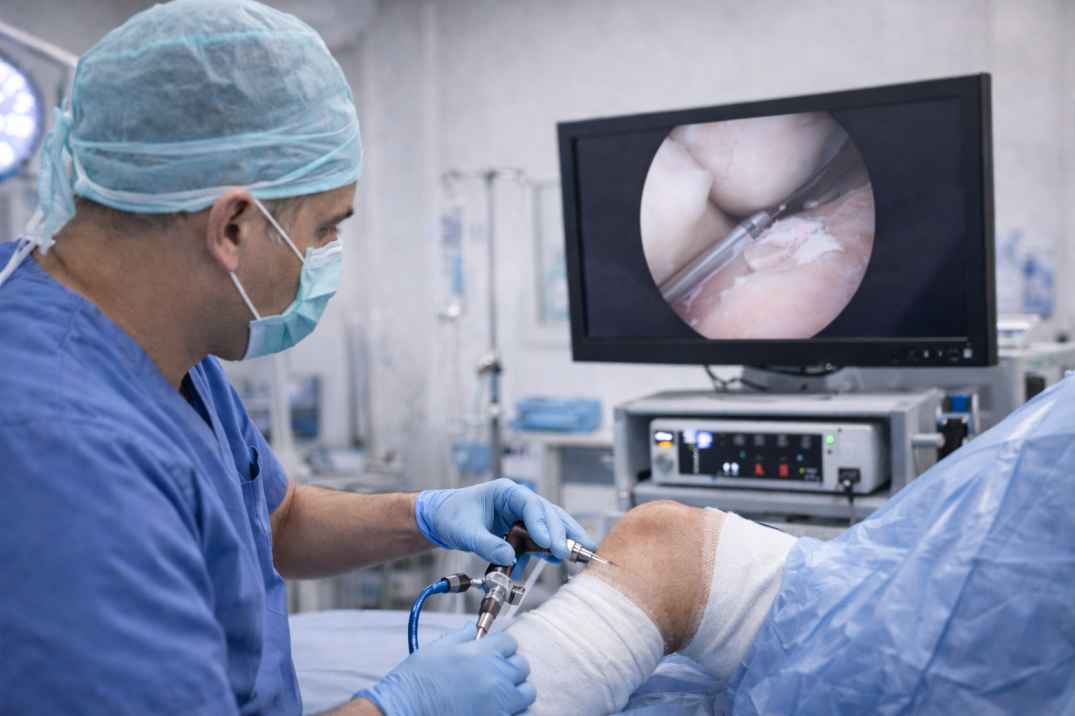
Arthroscopy surgery and joint treatment at Nishat Hospital in Lucknow
Focused care for joint problems Arthroscopy can help diagnose and treat selected conditions affecting the knee, shoulder and other joints.

Not every joint problem needs surgery.

Joint pain can have different causes. Medicines, physiotherapy, activity modification and other non-surgical treatments may help many patients. Arthroscopy treatment is considered when a specialist determines that an arthroscopic procedure is suitable for the underlying condition.

The right treatment starts with understanding what is causing your joint problem.

01

How much is your joint pain affecting daily life?

Consider whether pain is affecting walking, climbing stairs, sleeping, working, exercising or other activities you normally enjoy.

02

Are you experiencing stiffness or restricted movement?

Persistent stiffness, swelling, locking, instability or reduced movement may indicate that the joint needs a detailed orthopaedic assessment.

03

Have non-surgical treatments been tried?

Depending on the condition, physiotherapy, medicines, rehabilitation and activity modification may be considered before arthroscopic surgery.

The goal is to restore comfortable joint function.

For appropriately selected patients, arthroscopy surgery can be used to examine and treat problems inside a joint through small incisions. The treatment goal depends on the diagnosis and may include reducing symptoms, addressing damaged structures and improving joint function.

UNDERSTANDING ARTHROSCOPIC SURGERY

How Is Arthroscopy Surgery Performed?

Arthroscopy surgery uses a small camera and specialized instruments to examine and treat selected problems inside a joint through small incisions. The exact procedure depends on the joint and condition being treated.
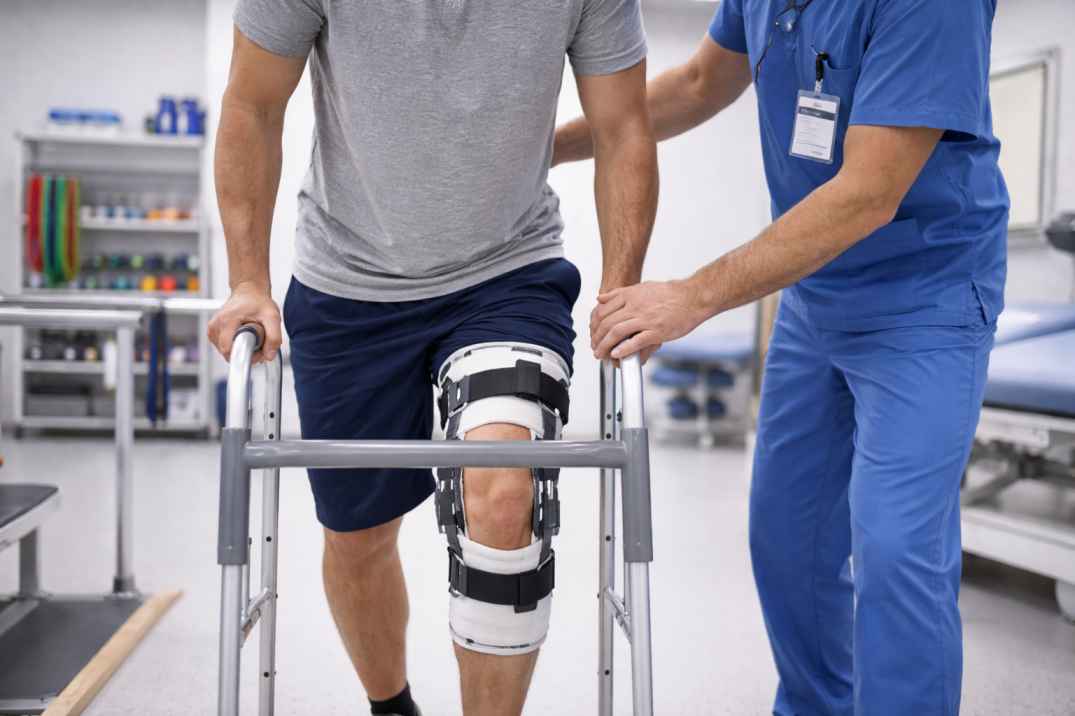
Arthroscopy surgery procedure and joint treatment at Nishat Hospital in Lucknow
A minimally invasive approach to selected joint problems. A small camera allows the surgeon to view structures inside the joint and use specialized instruments when treatment is required.
01

Assessment Before Surgery

The orthopaedic specialist reviews your symptoms, medical history and physical examination. X-rays, MRI or other investigations may be advised to understand the joint problem.

02

Small Incisions Are Made

During arthroscopic surgery, the surgeon makes small openings around the affected joint. The number and position of incisions depend on the procedure being performed.

03

The Joint Is Examined

A small camera called an arthroscope is inserted into the joint. It sends images to a monitor, allowing the surgeon to examine the internal structures clearly.

04

Treatment Is Performed When Required

Specialized instruments may be introduced through additional small incisions to repair or treat selected problems involving cartilage, meniscus, ligaments or other joint structures.

What Happens During Arthroscopy Surgery?

Arthroscopic procedures vary according to the joint and diagnosis. Your orthopaedic surgeon will explain the specific steps involved before treatment.

The procedure is performed using appropriate anaesthesia based on the planned surgery.

A small arthroscope is inserted through an incision to provide a view inside the joint.

Additional instruments can be used through small openings when repair or treatment is required.

After surgery, recovery and rehabilitation are planned according to the procedure and individual needs.

AFTER ARTHROSCOPIC SURGERY

Recovery depends on the procedure performed.

Some patients may return to normal activities relatively quickly after a minor arthroscopic procedure, while ligament reconstruction, cartilage repair or other more extensive procedures can require a longer rehabilitation period. Your recovery plan may include physiotherapy, exercises and activity guidance. Follow-up care helps monitor healing and progress before returning to demanding activities or sports.

UNDERSTANDING ARTHROSCOPY SURGERY

How Is Arthroscopy Surgery Performed?

Arthroscopy surgery is a minimally invasive procedure used to examine and treat selected problems inside a joint. A small camera and specialized surgical instruments are used through small incisions.

Every joint problem is different

Arthroscopy treatment is planned around your joint condition.

The affected joint, symptoms, examination findings and diagnostic imaging help the orthopaedic surgeon determine whether arthroscopic surgery is appropriate and which technique may be required.

What is causing the problem?

Your surgeon evaluates symptoms, movement, pain and other clinical findings to identify the underlying joint problem.

Which joint needs treatment?

Arthroscopy may be performed on joints such as the knee, shoulder, ankle, elbow or other joints when appropriate.

Which arthroscopic approach is appropriate?

The recommended technique depends on the diagnosis and may involve examining, repairing or treating specific structures inside the joint.

ARTHROSCOPY SURGERY

A small camera helps the surgeon see inside the joint.

During arthroscopy surgery, a small camera called an arthroscope is inserted through a small incision. The camera displays images of the inside of the joint on a monitor, allowing the surgeon to examine the affected structures and perform treatment when required.

01

Small incisions are made

The surgeon makes small openings around the affected joint. The number and location of the incisions depend on the joint and type of arthroscopic procedure.

02

The joint is examined

A small arthroscope is introduced into the joint to provide a clear view of internal structures such as cartilage, ligaments and other tissues.

03

Treatment is performed when needed

Specialized instruments may be inserted through additional small incisions to repair or treat the identified joint problem.

COMMON ARTHROSCOPIC PROCEDURES

Which joints can be treated with arthroscopy?

Arthroscopic surgery can be used for selected conditions affecting different joints. The appropriate procedure depends on the patient's diagnosis, symptoms and treatment requirements.

01

Knee Arthroscopy

Knee arthroscopy may be used to examine and treat selected problems involving the meniscus, cartilage, ligaments and other structures inside the knee.

02

Shoulder Arthroscopy

Shoulder arthroscopy allows the surgeon to view and treat selected conditions involving the shoulder joint and its surrounding soft tissues.

03

Other Joint Arthroscopy

Depending on the condition, arthroscopic techniques may also be considered for selected problems affecting joints such as the ankle or elbow.

Arthroscopy is not the same for every patient.

The exact procedure depends on the affected joint, diagnosis and treatment required. Your orthopaedic surgeon should explain whether arthroscopy treatment is suitable for you, what will be performed during surgery and what recovery may involve.

UNDERSTANDING ARTHROSCOPY

When to Consider Arthroscopy Surgery

Arthroscopy is considered when a specific joint problem may benefit from minimally invasive diagnosis or treatment, particularly when symptoms continue despite appropriate non-surgical care.

01

Joint pain is affecting everyday activities

Walking may become uncomfortable, stairs may feel increasingly difficult, and even standing for longer periods or sleeping through the night can become a problem.

02

Symptoms persist despite non-surgical care

Medicines, physiotherapy, activity changes and injections may provide useful relief at first. But when their effect becomes limited or short-lived, it may be time to discuss total knee replacement surgery.

03

The diagnosis supports arthroscopic treatment

The decision considers your symptoms, movement, examination findings, X-rays, overall health and, most importantly, how much the knee is limiting your life. In many patients, this is related to advanced arthritis or significant joint damage.

What may prompt an arthroscopy assessment?

No single symptom decides whether you need a knee replacement. What matters is how these problems come together and affect your daily life.

Persistent joint pain or discomfort.

Stiffness, swelling or reduced range of motion.

Difficulty walking, using stairs, working or exercising.

Symptoms continue despite appropriate non-surgical treatment.

UNDERSTANDING ARTHROSCOPIC SURGERY

What Is Arthroscopy Surgery?

One of the biggest misconceptions about knee replacement surgery is that the entire knee is removed and replaced. In reality, the operation is much more precise than that.
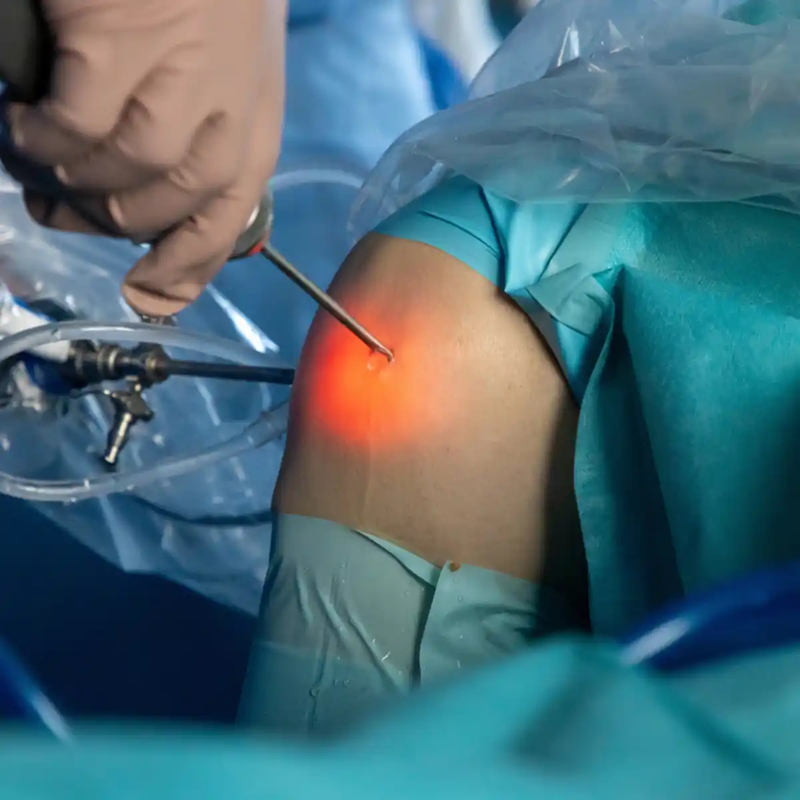
Orthopaedic surgeon performing arthroscopic surgery for a joint condition in Lucknow
Arthroscopy uses a small camera and specialised instruments. Damaged joint surfaces are replaced while much of the natural knee remains in place.
HOW IT WORKS

The procedure is performed through small incisions.

The damaged surfaces of the joint are carefully prepared and resurfaced using metal and medical-grade plastic components designed to move smoothly against each other.

01

Arthroscope

The damaged surface at the lower end of the femur is prepared and fitted with a new joint surface.

02

Specialised instruments

The upper end of the tibia is also prepared and fitted with a new surface.

Knee or shoulder arthroscopy?

The arthroscopic technique depends on the joint involved, the diagnosis and the treatment required.

KNEE ARTHROSCOPY

For selected knee conditions

In a total knee replacement, the main damaged surfaces of the femur and tibia are resurfaced so that the knee can move against new, smoother joint surfaces.

SHOULDER ARTHROSCOPY

For selected shoulder conditions

If arthritis or joint damage is confined to only one part of the knee, some patients may be suitable for a partial replacement that preserves more of the natural joint.

The goal is targeted treatment with a minimally invasive approach.

The aim is to create a smoother-moving joint, reduce long-standing pain and make everyday movements easier again. The operation recommended for you will depend on the extent of joint damage, your symptoms, examination findings and imaging.


Physiotherapist assisting a patient with knee brace during assisted walking rehabilitation

Minimally Invasive Knee Surgery

Minimally invasive knee surgery is an advanced orthopedic procedure performed through small incisions using specialized instruments and a tiny camera. This technique helps diagnose and treat knee conditions with greater precision while minimizing damage to surrounding tissues.

Compared to traditional surgery, patients often experience less pain, reduced scarring, shorter hospital stays, and a faster recovery. It is commonly used for treating ligament injuries, meniscus tears, cartilage damage, and other knee disorders.

Conditions Treated with Knee Arthroscopy

ACL & Ligament Injuries

Advanced arthroscopic treatment for ACL, PCL, and other ligament tears to restore knee stability, strength, and movement.

Meniscus Tears & Cartilage Damage

Minimally invasive procedures to repair torn meniscus and damaged cartilage, helping reduce pain and improve joint function.

Sports Injuries & Knee Instability

Comprehensive care for sports-related knee injuries, recurrent instability, and mobility issues, supported by personalized rehabilitation programs.

COMMON QUESTIONS

Arthroscopy Surgery FAQs

Find clear answers to common questions about arthroscopy surgery, preparation, recovery, safety, cost and treatment at Nishat Hospital.

About Arthroscopy
No. Age alone does not decide whether someone needs arthroscopy surgery. The decision depends more on joint damage, pain, mobility and how much the knee problem affects daily life.
Knee arthroscopy uses a small camera and instruments inserted through small incisions to diagnose or treat certain problems inside the knee joint. It is different from open or joint-replacement surgery.
No. No. Some knee problems improve with rest, physiotherapy, medicines or other non-surgical treatment. Arthroscopy is considered when the symptoms and the underlying joint problem make a procedure appropriate.
Your symptoms, physical examination, imaging and response to previous treatment all matter. An orthopaedic assessment helps determine whether arthroscopy treatment is appropriate for your condition.
Pre-surgery evaluation may include a physical examination, X-rays or other imaging, blood tests and additional checks depending on your age, health and medical history.
Some medicines may need to be adjusted before surgery, including certain blood thinners. Do not stop or change prescribed medicines unless your doctor advises you to do so.
These conditions do not always prevent arthroscopy, but your surgical team should know about them so your health can be assessed and managed appropriately before the procedure.
Clearing walking spaces, keeping everyday items within easy reach and arranging support for the early recovery period can make recovery more comfortable and safer.
The exact time varies depending on the joint being treated, the problem being addressed and the procedure planned. Your surgeon can give you a more specific estimate during consultation.
Arthroscopy is a minimally invasive orthopaedic procedure, but it is still surgery and requires appropriate planning, anaesthesia and aftercare.
Arthroscopy can be performed on joints such as the knee and shoulder, among others. The exact procedure depends on the joint problem and the surgeon’s assessment.
In selected cases, procedures on both knees may be considered, but this depends on the diagnosis, overall health, recovery needs and the surgeon’s assessment.
Depending on the joint and diagnosis, arthroscopy may be used to address problems such as certain cartilage, meniscus, ligament or loose-body conditions. Not every joint problem requires arthroscopic surgery.
Many patients can begin walking soon after knee arthroscopy, sometimes with support, but weight-bearing instructions depend on the procedure performed and your surgeon’s advice.
Recovery varies according to the joint, procedure and individual health. Some people return to normal activities relatively quickly, while others need several weeks of rehabilitation.
Physiotherapy may be recommended to restore movement, strength and function. The duration depends on the procedure and your progress.
You may be able to use stairs soon after surgery, but timing depends on pain, balance, strength and the procedure performed. Follow your care team’s instructions.
This depends on which joint was treated, pain control, mobility and whether you can safely control the vehicle. Your surgeon should advise you before you resume driving.
Return-to-work timing depends on the procedure and your job. Desk-based work may be possible earlier than work involving prolonged standing, walking or physical effort.
Outcomes vary by diagnosis, procedure and individual factors. Arthroscopic surgery is intended to address the specific joint problem, but symptom improvement cannot be guaranteed for every patient.
The aim is to treat the underlying problem and improve symptoms or function, but results vary. Some patients may continue to have pain, stiffness or other symptoms after surgery.
Possible risks include infection, bleeding, blood clots, stiffness, continued pain, nerve or blood-vessel injury and complications related to anaesthesia. Your surgeon can explain risks specific to your procedure.
Recovery depends on the joint treated, the type of arthroscopic procedure and your rehabilitation. Your surgeon can provide a more specific recovery plan based on your case.
The cost can vary depending on the joint treated, procedure, anaesthesia, investigations, hospital stay and rehabilitation needs. A personalised estimate is more useful than a fixed online price.
Factors can include the type of arthroscopic procedure, joint treated, investigations, medicines, anaesthesia, room category and length of hospital stay.
You can book an orthopaedic consultation for arthroscopy at Nishat Hospital by calling 9219958413.
Arthroscopy patients are evaluated and treated by Dr. Moazzam Jah, an orthopaedic surgeon with more than 25 years of clinical experience.
Patients receive support from consultation and surgical planning through post-operative care and rehabilitation, with treatment planned according to their individual condition.

More

Treatments

Scroll to Top