
Neurosurgery Care for Brain, Spine & Nerve Conditions
Brain, spine and nerve-related conditions can affect movement, sensation, balance, strength and everyday life. Neurosurgery provides specialised surgical care for selected conditions after detailed neurological assessment, imaging and specialist evaluation.
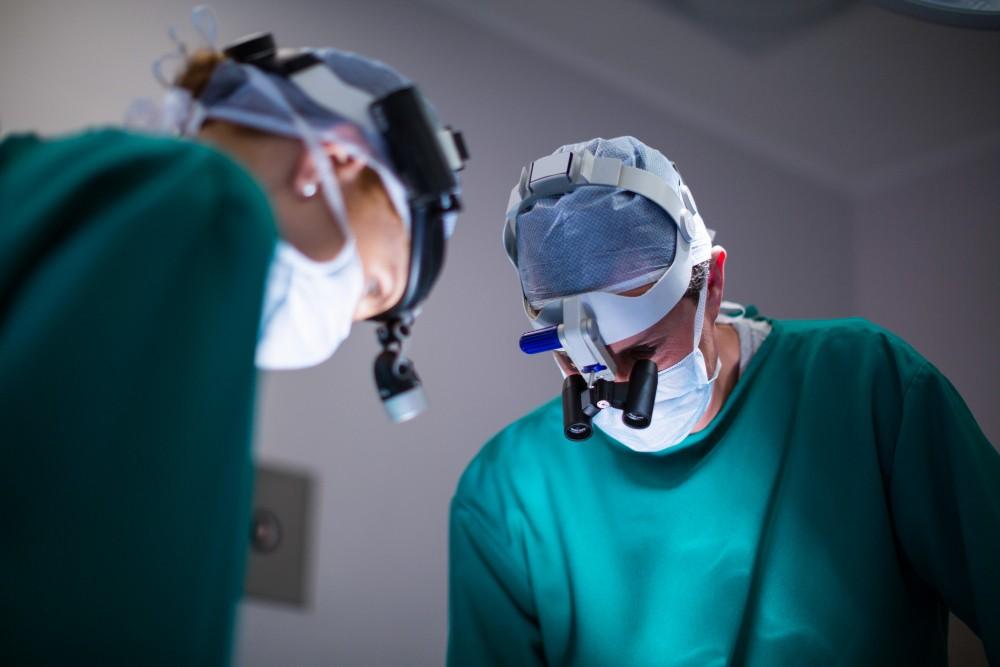
The right treatment begins with understanding the cause of your neurological symptoms.
Are your symptoms affecting everyday activities?
Headaches, weakness, numbness, balance problems, difficulty walking, seizures or persistent pain can interfere with work, sleep, mobility and other daily activities and may require specialist assessment.
Are you experiencing persistent or worsening symptoms?
Ongoing back or neck pain, limb weakness, changes in sensation, difficulty with coordination or other neurological symptoms should be evaluated to understand their underlying cause.
Has your condition been evaluated with appropriate testing?
Depending on the symptoms, a specialist may recommend a neurological examination and imaging such as MRI or CT to understand the brain, spine or nerves before deciding on treatment.
The goal is to protect neurological function and support recovery.
For appropriately selected patients, neurosurgery may be used to address conditions involving the brain, spinal cord, spine or peripheral nerves. Depending on the diagnosis, treatment may aim to relieve pressure, stabilise affected structures, remove a lesion or address another underlying problem while preserving neurological function whenever possible.
How Is Neurosurgery Performed?
Neurosurgery involves specialised procedures used to diagnose or treat selected conditions affecting the brain, spine, spinal cord and nerves. The surgical approach depends on the diagnosis, location of the problem, symptoms and overall health of the patient.

Neurological Assessment
The neurosurgeon reviews your symptoms, medical history and neurological examination. Depending on the condition, MRI, CT scans, X-rays or other diagnostic tests may be recommended to identify the source and location of the problem.
Detailed Surgical Planning
If surgery is appropriate, the neurosurgical team plans the procedure based on the affected area, diagnosis and individual health factors. The expected benefits, possible risks and available treatment options are discussed before surgery.
Precise Access to the Affected Area
During surgery, specialised techniques are used to reach the brain, spine, spinal cord or affected nerve. The surgical approach varies according to whether the procedure involves decompression, lesion removal, repair, stabilisation or another neurosurgical treatment.
Treatment of the Underlying Problem
The surgeon performs the planned treatment to address the underlying condition. Depending on the diagnosis, this may include relieving pressure on neural structures, removing a lesion, treating a spinal problem or stabilising affected areas.
What Happens During Neurosurgery?
Every neurosurgical procedure is different. The exact surgical technique, duration and recovery process depend on the condition being treated and the area involved. Your neurosurgeon will explain the planned procedure before treatment.
The procedure is performed under appropriate anaesthesia and with careful monitoring based on the type of surgery.
The neurosurgeon uses a carefully planned surgical approach to reach the affected area of the brain, spine, spinal cord or nerve.
Specialised surgical instruments and appropriate imaging or monitoring techniques may be used when required to support precise treatment.
After surgery, the patient receives monitoring and a personalised recovery plan that may include medicines, rehabilitation and follow-up assessment.
Recovery depends on the condition and procedure performed.
Recovery after neurosurgery varies considerably. Some patients may require a short period of observation, while more complex brain or spine procedures can involve a longer hospital stay and rehabilitation period. Your recovery plan may include medicines, physiotherapy, neurological rehabilitation, mobility exercises and activity guidance. Regular follow-up helps the medical team monitor healing, neurological function and progress during recovery.



When to Consider Neurosurgery
Neurosurgery may be considered when a condition affecting the brain, spine, spinal cord or nerves requires surgical treatment. The decision is based on your symptoms, neurological examination, imaging results, overall health and whether surgery is appropriate for your specific condition.
Neurological symptoms are affecting daily life
Persistent weakness, numbness, difficulty walking, balance problems, severe headaches, seizures or other neurological symptoms can interfere with work, sleep, mobility and everyday activities.
Symptoms continue despite non-surgical treatment
Medicines, physiotherapy, rehabilitation and other conservative treatments may help many neurological and spine conditions. When symptoms continue or the underlying problem requires a surgical approach, a neurosurgical assessment may be recommended.
Imaging identifies a condition that may need surgery
MRI, CT scans, X-rays and other investigations can help identify structural problems involving the brain, spine or nerves. Your neurosurgeon considers these findings together with your symptoms and neurological examination before recommending treatment.
What may prompt a neurosurgery assessment?
No single symptom automatically means that surgery is needed. A specialist looks at the complete clinical picture, including how symptoms are affecting you and what diagnostic tests show.
Persistent or worsening weakness, numbness or loss of sensation.
Severe or persistent back and neck pain with neurological symptoms.
Difficulty walking, maintaining balance or coordinating movement.
A brain or spine condition identified through appropriate imaging.
What Is Neurosurgery?
Neurosurgery is a specialised field of medicine focused on the surgical treatment of conditions affecting the brain, spine, spinal cord and peripheral nerves. Not every neurological problem requires an operation. When surgery is appropriate, the procedure is carefully planned around the diagnosis and the patient's individual needs.
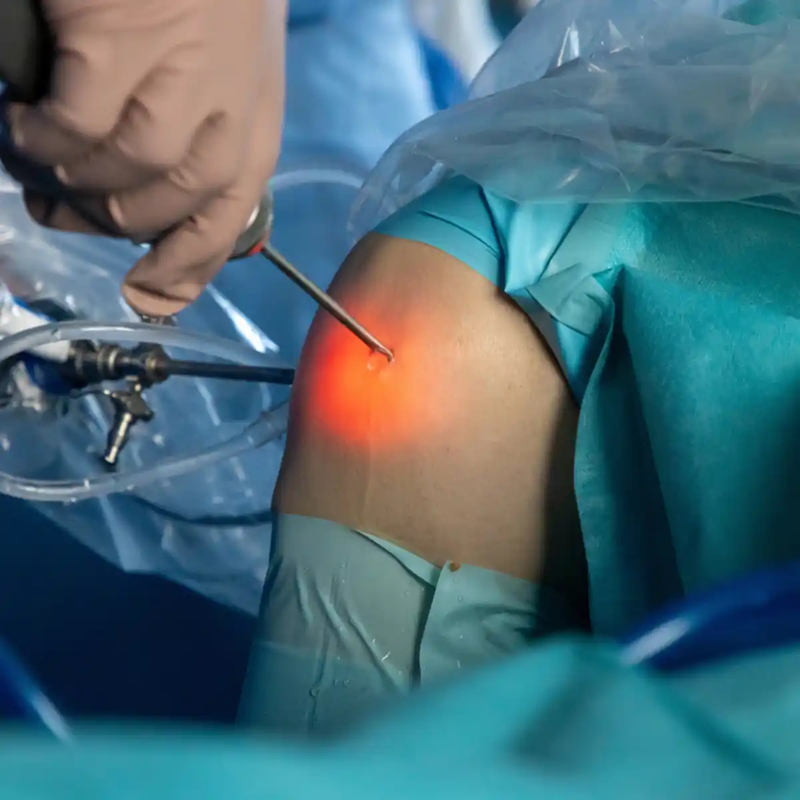
Treatment begins with an accurate diagnosis.
Before recommending surgery, the neurosurgical team reviews your symptoms, medical history and neurological examination along with relevant imaging and diagnostic findings. If an operation is appropriate, the surgical approach is selected according to the condition and affected area.
Brain Surgery
Selected brain conditions may require surgery to remove or treat a lesion, relieve pressure or address another structural problem affecting neurological function.
Spine Surgery
Depending on the diagnosis, spinal procedures may help relieve pressure on nerves or the spinal cord, stabilise affected areas or treat specific structural problems of the spine.
Neurosurgical treatment is tailored to the individual rather than based on symptoms alone. Depending on the diagnosis, the aim may be to relieve pressure, remove or treat an abnormal structure, stabilise the spine or address another condition affecting the nervous system. Your treatment plan will depend on your symptoms, examination findings, imaging and overall health.