


Treatments
More
More
Shoulder Arthroscopy for Pain, Injury & Better Shoulder Function
Persistent shoulder pain, stiffness, weakness or difficulty lifting your arm can affect work, sleep, exercise and everyday activities. Shoulder arthroscopy is a minimally invasive treatment option for selected shoulder conditions after a detailed orthopaedic assessment.
Understanding Shoulder Arthroscopy
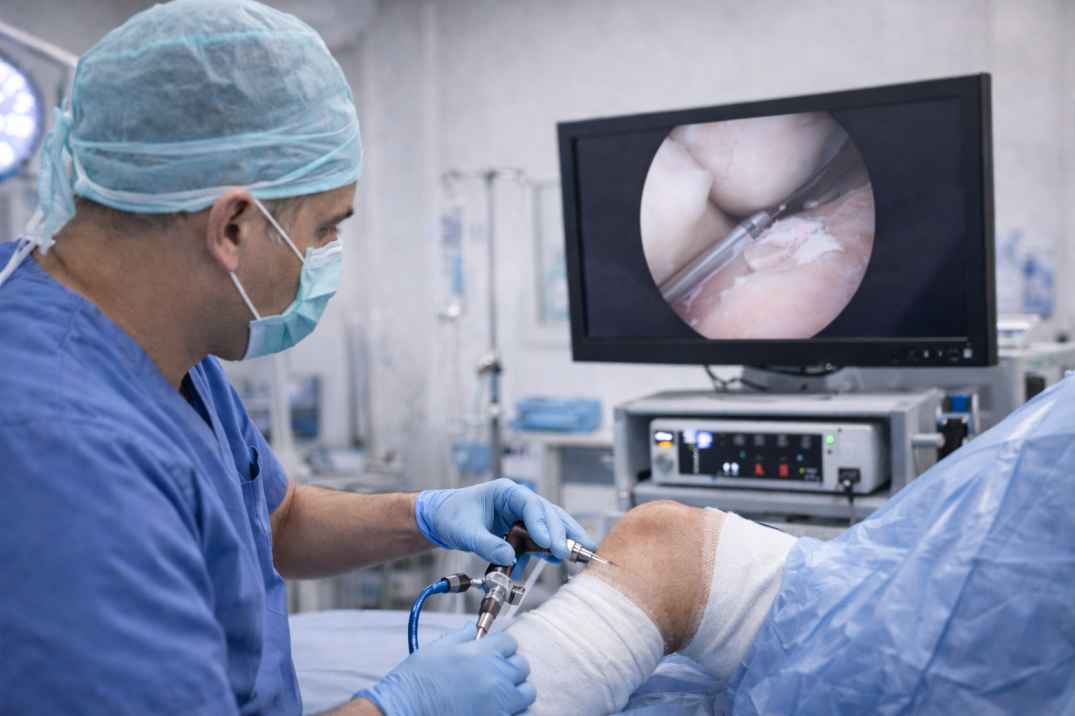
Shoulder arthroscopy is a minimally invasive procedure that allows an orthopaedic surgeon to examine the inside of the shoulder using a small camera called an arthroscope. Depending on the diagnosis, specialised instruments may also be used to treat selected problems through small incisions. The American Academy of Orthopaedic Surgeons explains arthroscopy as a technique used to diagnose and treat certain joint conditions. Shoulder problems can involve the rotator cuff, labrum, cartilage, ligaments or other structures. If you are also experiencing other bone, joint or muscle problems, you can explore our Orthopaedics services for related specialist care.
Shoulder Problems That May Require Arthroscopic Treatment
Rotator Cuff Injury
A rotator cuff injury can cause pain, weakness and difficulty raising the arm. Treatment depends on the type and severity of the injury. The AAOS information on rotator cuff tears provides general information about symptoms and treatment options.
Shoulder Sports Injury
Repetitive overhead activity and sports-related trauma can affect the shoulder. Athletes may develop problems involving the rotator cuff, labrum or other stabilising structures. A specialist assessment can help determine the appropriate treatment.
Shoulder Ligament Injury
A shoulder ligament injury may contribute to instability, pain or repeated dislocation. Selected instability problems may be treated using arthroscopic techniques when surgery is appropriate.
How Does Arthroscopic Shoulder Surgery Work?
During arthroscopic shoulder surgery, the surgeon introduces a small camera through a small incision to view the shoulder joint. Additional small portals can be used for specialised surgical instruments when treatment is required. The exact procedure depends on the condition being treated. According to the NHS guidance on arthroscopy , arthroscopy can be used to investigate joint problems and perform certain treatments. Your surgeon will explain whether this approach is suitable for your individual shoulder condition.
The goal is to restore comfortable shoulder function.
For appropriately selected patients, shoulder arthroscopy can be used to examine and treat selected problems through small incisions. Treatment may address structures such as the rotator cuff, labrum, cartilage or ligaments. The appropriate procedure depends on the diagnosis, symptoms, examination findings and imaging when required.
How Is Shoulder Arthroscopy Surgery Performed?
Shoulder arthroscopy is a minimally invasive procedure used to examine and treat selected problems inside and around the shoulder joint. A small camera and specialised instruments are introduced through small incisions. The exact procedure depends on the shoulder condition, examination findings and treatment plan.
Shoulder Assessment Before Surgery
The process begins with a detailed assessment of your shoulder pain, movement, strength, injury history and daily limitations. Depending on the suspected condition, your orthopaedic specialist may recommend X-rays, ultrasound or MRI. The American Academy of Orthopaedic Surgeons explains how arthroscopy may be used to diagnose and treat selected joint problems .
Small Portals Are Created
During arthroscopic shoulder surgery, the surgeon creates small openings around the shoulder. One opening allows the arthroscope to enter the joint, while additional portals may be used for specialised instruments. The location and number of portals depend on the procedure being performed.
The Shoulder Joint Is Examined
A small camera called an arthroscope provides a clear view of structures inside the shoulder. This may allow the surgeon to assess areas such as the rotator cuff, labrum, cartilage and other tissues involved in shoulder stability and movement.
Treatment or Repair Is Performed
If treatment is required, specialised instruments can be introduced through the additional portals. Depending on the diagnosis, the procedure may involve repair of a rotator cuff tear, treatment of selected labral problems, stabilisation of the shoulder or treatment of other suitable joint conditions.
What Happens During Shoulder Arthroscopy Surgery?
Every shoulder arthroscopy procedure is different. The treatment depends on the condition being addressed, the extent of the injury and the surgical plan discussed with your orthopaedic specialist.
The procedure is performed using appropriate anaesthesia selected according to the planned surgery and individual patient requirements.
A small arthroscope is introduced through an incision to provide a magnified view of the shoulder joint on a monitor.
Additional instruments may be inserted through small portals when a damaged structure needs to be repaired, removed, stabilised or otherwise treated.
After the procedure, your surgeon provides instructions about wound care, movement, sling use when required, exercises, activity and follow-up.
What Shoulder Problems Can Be Treated With Arthroscopy?
Shoulder arthroscopy may be considered for selected structural problems when symptoms and clinical findings indicate that surgery could be appropriate. Not every shoulder condition requires an operation, and non-surgical treatment may be recommended first.
Rotator cuff injuries: selected tears may require surgical repair when pain, weakness or loss of function persists despite appropriate treatment. You can also read the AAOS information about rotator cuff tears for general patient information.
Shoulder instability: repeated dislocation or a feeling that the shoulder is slipping may involve the labrum, capsule or ligaments. Selected cases may be suitable for arthroscopic stabilisation.
Labral injuries: the labrum helps contribute to shoulder stability. Certain labral injuries associated with trauma, instability or repetitive activity may require specialist treatment.
Shoulder sports injuries: overhead and contact sports can place repeated stress on the shoulder. Persistent pain, weakness or instability after a sports injury should be assessed before returning to demanding activity.
Not every shoulder problem needs arthroscopy.
Shoulder pain can have several causes, and treatment should be based on the underlying diagnosis. Depending on the condition, treatment may include activity modification, physiotherapy, exercises, medicines or other non-operative options. The NHS shoulder pain guidance recommends medical assessment when shoulder pain is persistent or significantly affects movement and daily activities. Surgery is considered when it is clinically appropriate rather than simply because shoulder pain is present.
Rotator Cuff Treatment and Shoulder Arthroscopy
The rotator cuff is a group of muscles and tendons that helps control shoulder movement and stability. An injury can occur gradually through repetitive use or suddenly following a fall, lifting injury or sports trauma.
Persistent shoulder pain, particularly during lifting or overhead activity, may require further assessment.
Weakness or difficulty raising the arm can occur with some rotator cuff injuries and should be assessed clinically.
Night pain and difficulty sleeping on the affected side can occur with some shoulder conditions.
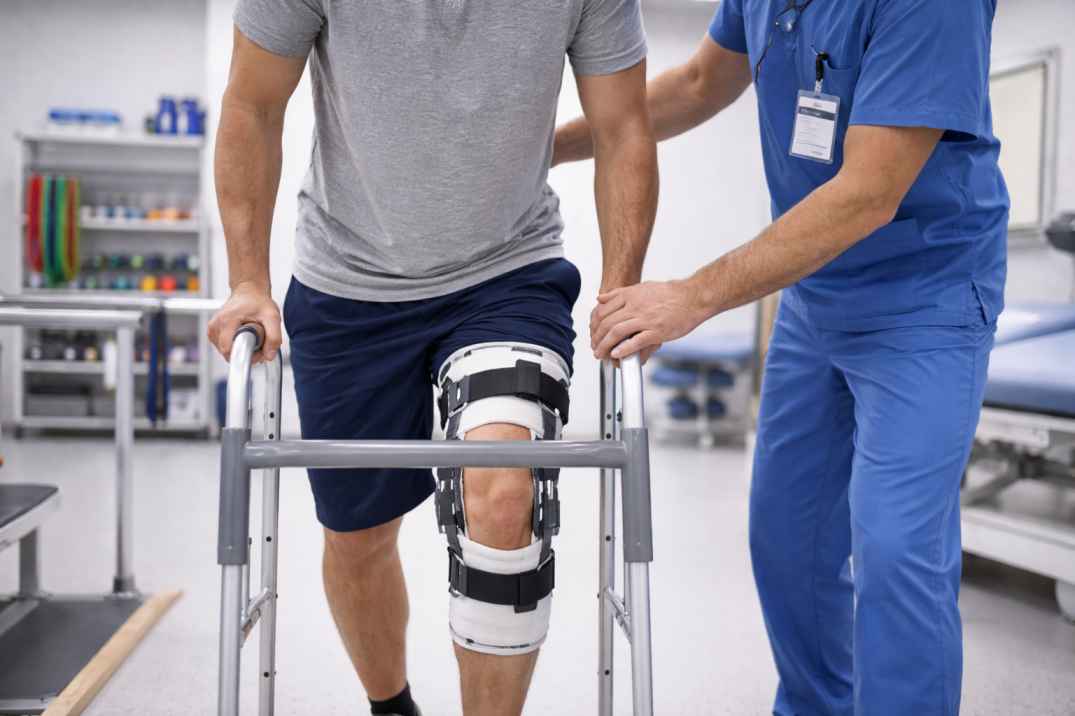
When surgery is recommended, rehabilitation is an important part of restoring shoulder movement and strength.
Explore Related Services at Nishat Hospital
Shoulder conditions can sometimes occur alongside other bone, joint and sports-related problems. Explore our arthroscopy services to learn more about minimally invasive joint procedures, or visit our Orthopaedics department for information about the assessment and treatment of musculoskeletal conditions. Patients with an injury may also find our trauma and fracture care useful.
Shoulder Arthroscopy Recovery and Rehabilitation
Recovery after shoulder arthroscopy varies according to the condition treated and the procedure performed. A simple procedure may have a different recovery pathway from a rotator cuff repair or shoulder stabilisation procedure.
Early recovery may focus on protecting the treated shoulder and controlling discomfort and swelling.
Your rehabilitation programme may gradually restore shoulder movement and flexibility.
Strengthening exercises can be introduced progressively when the healing stage allows.
Return to work, gym activities and sports should follow the individual guidance provided by your surgeon and rehabilitation team.
Recovery is a gradual process focused on restoring shoulder function.
After shoulder arthroscopy, rehabilitation may include physiotherapy, prescribed exercises and gradual activity progression. The timeline depends on whether the procedure involved examination only, rotator cuff repair, stabilisation or another form of treatment. The NHS notes that recovery following arthroscopy can range from around one week to several months depending on the procedure and individual factors. Follow your surgeon's instructions before returning to demanding activities or sports.
Get Your Shoulder Pain Properly Assessed
If persistent shoulder pain, a rotator cuff injury, shoulder instability or a shoulder sports injury is affecting your daily activities, an orthopaedic consultation can help identify the underlying problem and discuss appropriate treatment options. Contact Nishat Hospital to discuss your symptoms and learn whether shoulder arthroscopy may be suitable for your condition.

How Is Shoulder Arthroscopy Surgery Performed?
Shoulder arthroscopy is a minimally invasive procedure used to examine and treat selected problems affecting the shoulder joint and surrounding soft tissues. During arthroscopic shoulder surgery, a small camera and specialized instruments are introduced through small incisions to help the orthopaedic surgeon identify and treat the underlying problem.
Depending on the diagnosis, shoulder arthroscopy may be considered for conditions involving the rotator cuff, labrum, shoulder instability, cartilage, tendons and other structures. The treatment plan is tailored to the patient's symptoms, examination findings and imaging results.
Shoulder arthroscopy treatment is planned around your diagnosis.
Shoulder pain can develop after an injury, sports activity, repeated overhead movement or gradual wear of the joint. Before recommending surgery, an orthopaedic specialist assesses the source of pain, shoulder movement, strength and stability. Imaging such as X-rays, ultrasound or MRI may also help evaluate the structures involved.
What is causing the shoulder problem?
The surgeon considers your symptoms, medical history, physical examination and diagnostic imaging to understand whether the problem involves the rotator cuff, labrum, cartilage, tendons, ligaments or another part of the shoulder.
Is arthroscopic treatment appropriate?
Not every shoulder problem requires surgery. Depending on the condition, treatment may begin with activity modification, physiotherapy, medicines or other non-surgical measures. Surgery is considered when clinical findings and treatment needs support an operative approach.
Which shoulder procedure may be required?
The technique depends on the underlying condition. Arthroscopic treatment may involve examining the joint, repairing damaged tissue, treating a rotator cuff injury, addressing instability or treating another identified problem.
A small camera provides a detailed view inside the shoulder.
During shoulder arthroscopy surgery, an arthroscope containing a small camera is inserted through a small incision. The camera sends images to a monitor, allowing the surgeon to inspect structures within the shoulder. Additional small openings can be used when specialized instruments are required for treatment.
Small portals are created
The surgeon makes small incisions around the shoulder to provide access to the joint. The position and number of portals depend on the condition being assessed and the type of procedure planned.
The shoulder joint is examined
A small arthroscope is carefully introduced into the shoulder. It provides a magnified view of structures such as cartilage, the labrum, joint surfaces, tendons and other tissues that may contribute to pain or reduced shoulder function.
The identified problem is treated
If treatment is required, specialized instruments can be used through additional small portals. Depending on the diagnosis, the surgeon may repair or treat damaged soft tissue or other structures inside the shoulder.
Which shoulder problems may be treated with arthroscopy?
Arthroscopic shoulder surgery can be used for selected conditions when an operation is appropriate. The exact treatment depends on the location and severity of the injury, the patient's symptoms, examination findings and previous treatment.
Rotator Cuff Injuries
The rotator cuff is a group of tendons that helps stabilize and move the shoulder. Certain rotator cuff tears may require surgical treatment when symptoms persist or when the injury and functional limitations indicate that repair should be considered.
Learn more about the available arthroscopy and orthopaedic treatment services at Nishat Hospital.
Shoulder Instability and Labral Injuries
Repeated shoulder dislocation, instability or damage to the labrum can affect shoulder movement and confidence during everyday or sporting activities. In selected patients, arthroscopic techniques may be used to address damaged tissues and improve joint stability.
Shoulder Sports Injuries
Overhead sports, falls and repetitive movements can place considerable stress on the shoulder. Depending on the injury, arthroscopy may be considered for selected problems affecting tendons, labral tissue or other structures.
Shoulder arthroscopy can address selected soft-tissue problems.
A rotator cuff injury may cause shoulder pain, weakness and difficulty with activities such as lifting the arm or reaching overhead. Some injuries improve with non-surgical treatment, while others may require further assessment and possible surgical repair.
Rotator cuff assessment
The shoulder is examined for pain, weakness, movement and function. Imaging may be used to understand the location and extent of a suspected rotator cuff injury.
Labrum and joint assessment
Arthroscopy allows the surgeon to directly inspect structures inside the joint and assess findings that may contribute to instability, pain or restricted movement.
Repair when clinically indicated
If the assessment confirms a problem that is suitable for arthroscopic treatment, specialized instruments can be used to repair or treat the affected tissue according to the surgical plan.
Shoulder pain may have several treatment options.
Depending on the cause of your symptoms, your orthopaedic specialist may initially recommend non-surgical care. Physiotherapy, activity modification, medicines and guided rehabilitation may be appropriate for some shoulder conditions. If symptoms continue or the diagnosis indicates a need for surgery, arthroscopic treatment may then be discussed.
Physical examination
Shoulder movement, strength, tenderness and stability are assessed to understand how the condition is affecting everyday function.
Diagnostic imaging
Depending on the suspected condition, imaging such as an X-ray, ultrasound or MRI may help provide additional information about the shoulder.
Individual treatment planning
The recommended approach is based on the diagnosis, symptoms, functional needs and response to previous treatment rather than using the same procedure for every patient.
What can recovery after arthroscopic shoulder surgery involve?
Recovery varies according to the procedure performed and the condition being treated. A simple diagnostic or minor arthroscopic procedure may have a different recovery pathway from a rotator cuff repair or a procedure performed for shoulder instability.
Early recovery
Your care team will provide instructions about wound care, pain control, movement and activity immediately after surgery. A sling may be recommended for some procedures depending on what was performed.
Physiotherapy and rehabilitation
Rehabilitation is an important part of recovery after many shoulder procedures. Exercises are progressed according to the operation, healing stage and guidance of the treating clinical team.
Gradual return to activities
Returning to work, exercise and sports should be guided by recovery and the specific procedure performed. Activities that place significant stress on the shoulder may need to be introduced gradually.
Understanding your shoulder treatment options
If you are experiencing ongoing shoulder pain, weakness, instability or difficulty moving your arm, an orthopaedic assessment can help identify the possible cause. You can also explore orthopaedic care at Nishat Hospital to learn about related bone, joint and musculoskeletal services.
Learn about arthroscopy
The American Academy of Orthopaedic Surgeons information on arthroscopy explains how a small camera can be used to examine and treat problems inside a joint.
Understand shoulder symptoms
Persistent pain, weakness or difficulty using the shoulder can have different causes. The NHS shoulder pain guidance provides general information about common symptoms and when medical assessment may be appropriate.
Discuss your individual treatment plan
A consultation allows the orthopaedic specialist to review your symptoms, examination findings and available imaging before discussing whether shoulder arthroscopy or another treatment approach is appropriate.
Specialist assessment can help you understand the cause of shoulder pain.
Shoulder pain can interfere with work, exercise, sleep and everyday activities. Conditions such as rotator cuff injury, shoulder instability, labral problems and sports-related injuries may require different treatment approaches. Shoulder arthroscopy is one option used for selected conditions when minimally invasive surgery is appropriate.
Accurate diagnosis
Identifying the source of shoulder symptoms is an important first step. Your specialist may combine clinical examination with appropriate imaging to develop an individual treatment plan.
Personalised treatment
Shoulder arthroscopy is not a single procedure. The surgical approach depends on the condition being treated and the structures involved.
Structured rehabilitation
Recovery is planned according to the procedure performed. Following medical and physiotherapy guidance can help support a gradual return to normal activities.
The exact procedure, expected recovery and rehabilitation plan depend on the diagnosis and the type of treatment required. If you have persistent shoulder pain, a rotator cuff injury, shoulder instability or a sports injury, speak with an orthopaedic specialist to understand your treatment options and whether shoulder arthroscopy surgery may be appropriate for you.
Shoulder Arthroscopy Surgery FAQs
Find clear answers to common questions about shoulder arthroscopy, arthroscopic shoulder surgery, rotator cuff injuries, shoulder instability, preparation, recovery, risks, treatment options and consultations at Nishat Hospital.