Physiotherapy
Physiotherapy
Physiotherapy supports physical development, mobility, strength, and coordination through personalized, gentle rehabilitation programs.
Overview
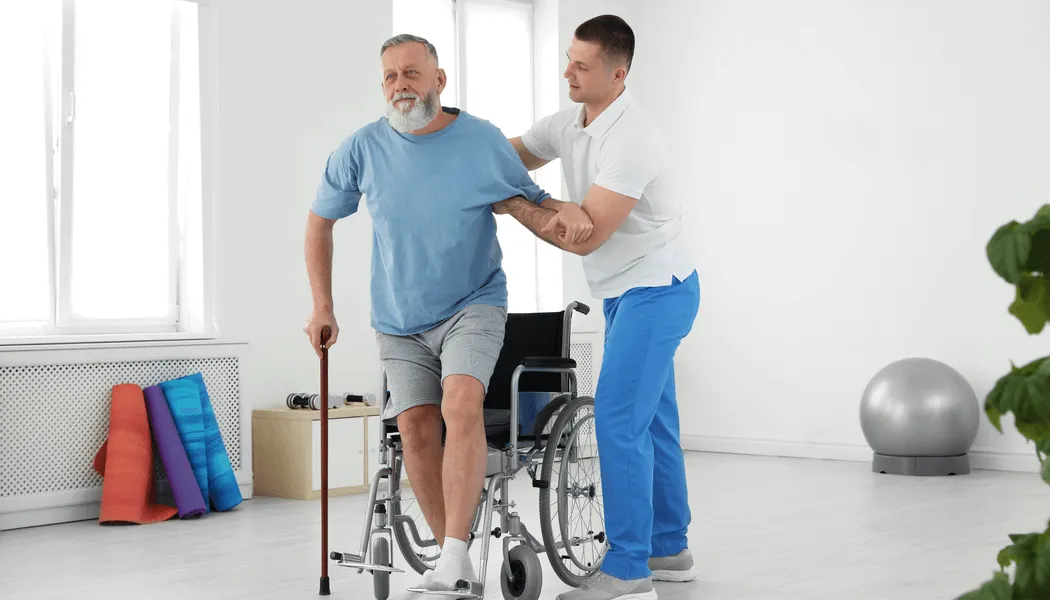
Physiotherapy is a specialized healthcare discipline focused on restoring movement, function, and quality of life.It combines physical exercises, manual therapy, and advanced modalities to manage pain, treat injuries, and rehabilitate patients after illness or surgery.
Physiotherapists design personalized treatment plans that promote recovery, prevent future complications, and support long-term health and well-being across all age groups.
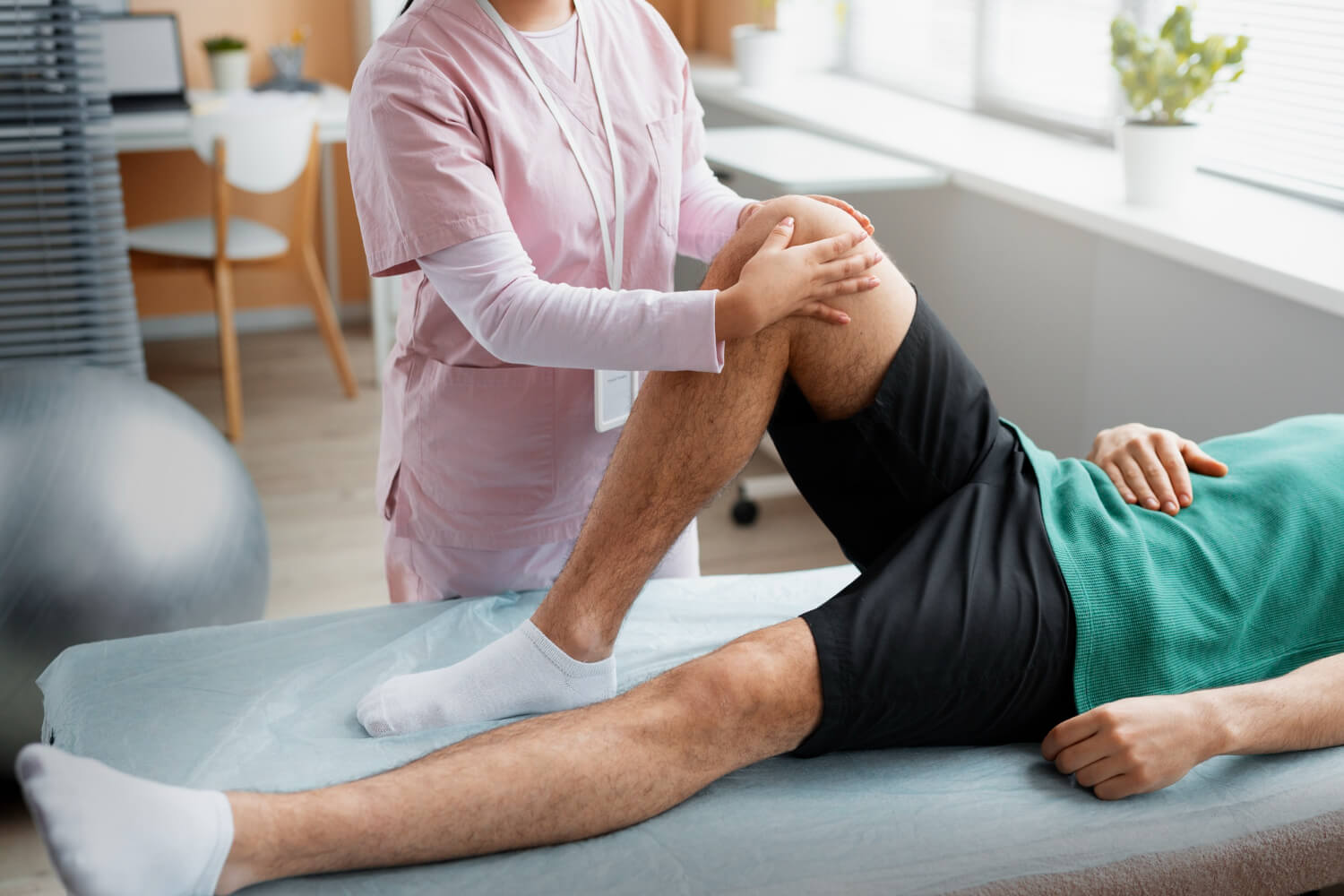
Manual therapy techniques use hands-on approaches like joint mobilization, soft tissue manipulation, and stretching to treat pain, stiffness, and movement restrictions.
By improving joint function, enhancing flexibility, and reducing muscle tension, these techniques complement exercise therapy to accelerate recovery, improve physical performance, and promote overall musculoskeletal health.
Nishat Hospital Healthcare Center
Department of Physiotherapy
- 0522-4082590
Secure online access to your health information whenever you need it. Check appointments, communicate with your provider and pay bills online 24/7.
What We Do
Comprehensive Assessment
We assess posture, movement, strength, pain levels, and functional limitations to identify individual rehabilitation needs.
Therapeutic Exercises
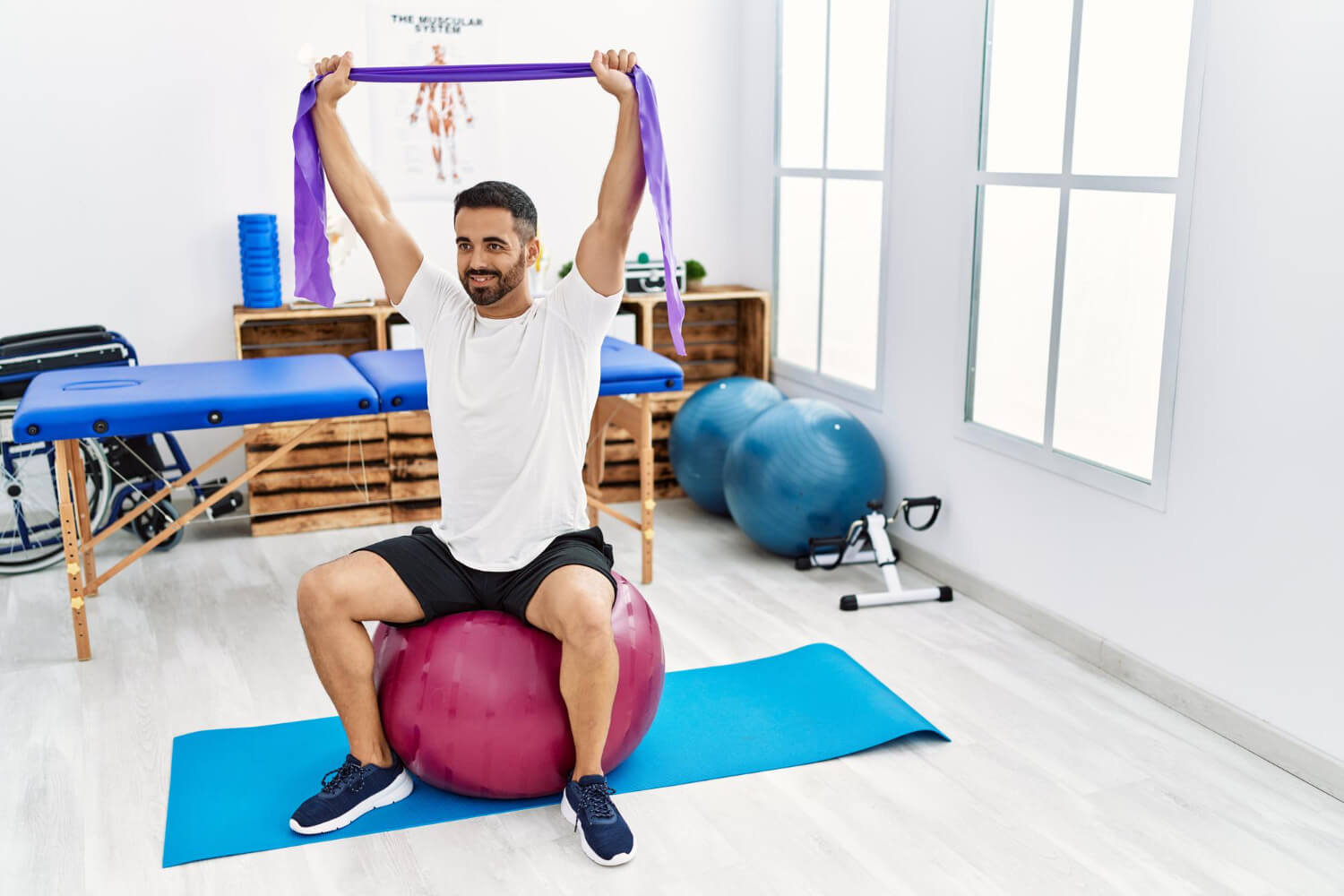
Targeted exercises enhance strength, flexibility, balance, and coordination for safe and effective recovery.
Patient Education & Guidance
We provide posture correction, movement advice, home exercise programs, and lifestyle guidance for long-term wellness.
Resources
Physiotherapy Subspecialities



Manual Therapy Techniques
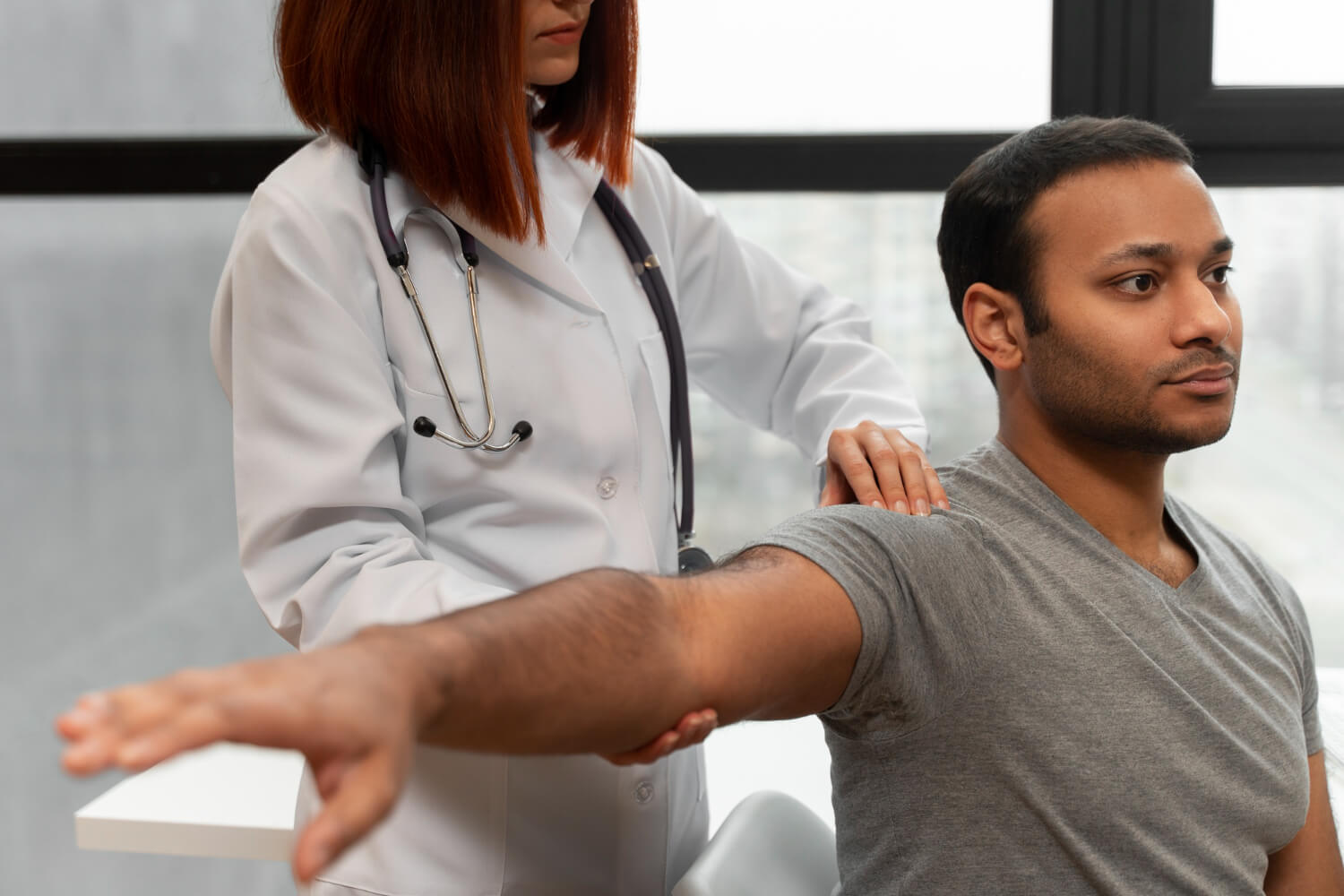
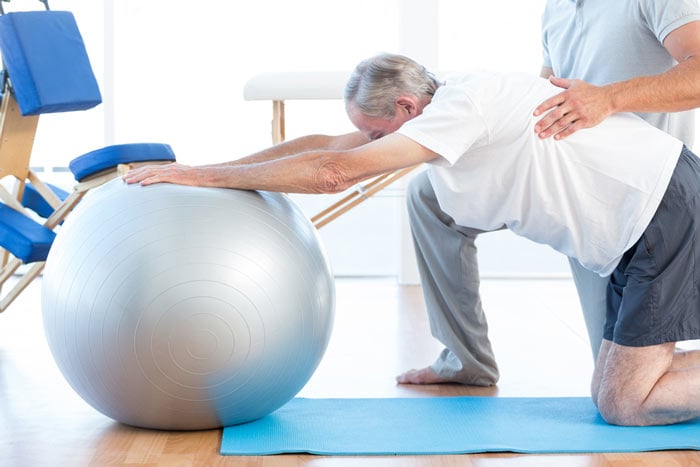
Manual therapy techniques involve hands-on treatment methods such as joint mobilization, soft tissue massage, and stretching to relieve pain, improve mobility, and enhance muscle function. These techniques are tailored to each patient’s needs, promoting faster recovery, restoring movement, and supporting overall physical well-being in conjunction with exercise-based rehabilitation programs.
Physiotherapy FAQs
General Physiotherapy Care
Physiotherapy involves assessment, treatment, and rehabilitation of physical impairments, injuries, and mobility limitations through exercise, manual therapy, and other techniques.
Patients recovering from surgery, injury, chronic pain, neurological conditions, or those seeking to improve mobility, strength, and overall physical function benefit from physiotherapy.
Care is coordinated through shared medical records, collaboration with doctors, surgeons, and other specialists, ensuring a unified, personalized rehabilitation plan.
Orthopedic & Musculoskeletal Rehabilitation
Fractures, joint injuries, arthritis, tendonitis, post-surgical recovery, back pain, and sports-related injuries.
Plans are tailored based on assessment findings, combining exercises, manual therapy, pain management techniques, and lifestyle guidance.
Frequency depends on the condition’s severity, ranging from daily to weekly sessions with regular progress evaluations.
Neurological Rehabilitation
Stroke, spinal cord injuries, Parkinson’s disease, multiple sclerosis, cerebral palsy, and neuropathies.
Yes. Educating family members helps reinforce therapy at home and supports functional recovery.
Yes. Support staff assist with communication to ensure patients fully understand their care.
Pediatric Physiotherapy
Developmental delays, congenital conditions, musculoskeletal injuries, cerebral palsy, and post-surgical recovery.
Physiotherapists work alongside pediatricians, therapists, and educators to ensure developmental, physical, and functional needs are met.
Early therapy improves motor skills, supports growth, prevents complications, and enhances long-term functional outcomes.
Sports & Performance Rehabilitation
Athletes, fitness enthusiasts, and individuals recovering from sports-related injuries or aiming to prevent them.
Injury assessment, strengthening programs, flexibility training, biomechanics analysis, and performance optimization.
Yes. Corrective exercises, conditioning programs, and education on safe movement reduce injury risk.
Post-Surgical Rehabilitation
Joint replacements, ligament repairs, spine surgeries, orthopedic reconstructions, and cardiac surgeries.
Through progressive exercises, pain management, mobility training, and close monitoring of healing and functional improvements.
Recovery duration depends on surgery type and patient condition, ranging from weeks to several months.
Appointment Booking & Referrals
Nishat Hospital offers a streamlined appointment booking and referral system, ensuring patients can easily schedule consultations with specialists. Our team assists with quick referrals, minimizing delays in accessing quality care and treatment