Comprehensive Trauma Surgery for Serious Injuries
Expert trauma surgery delivering timely emergency care, advanced treatment, skilled surgeons, and personalized recovery for severe injuries.
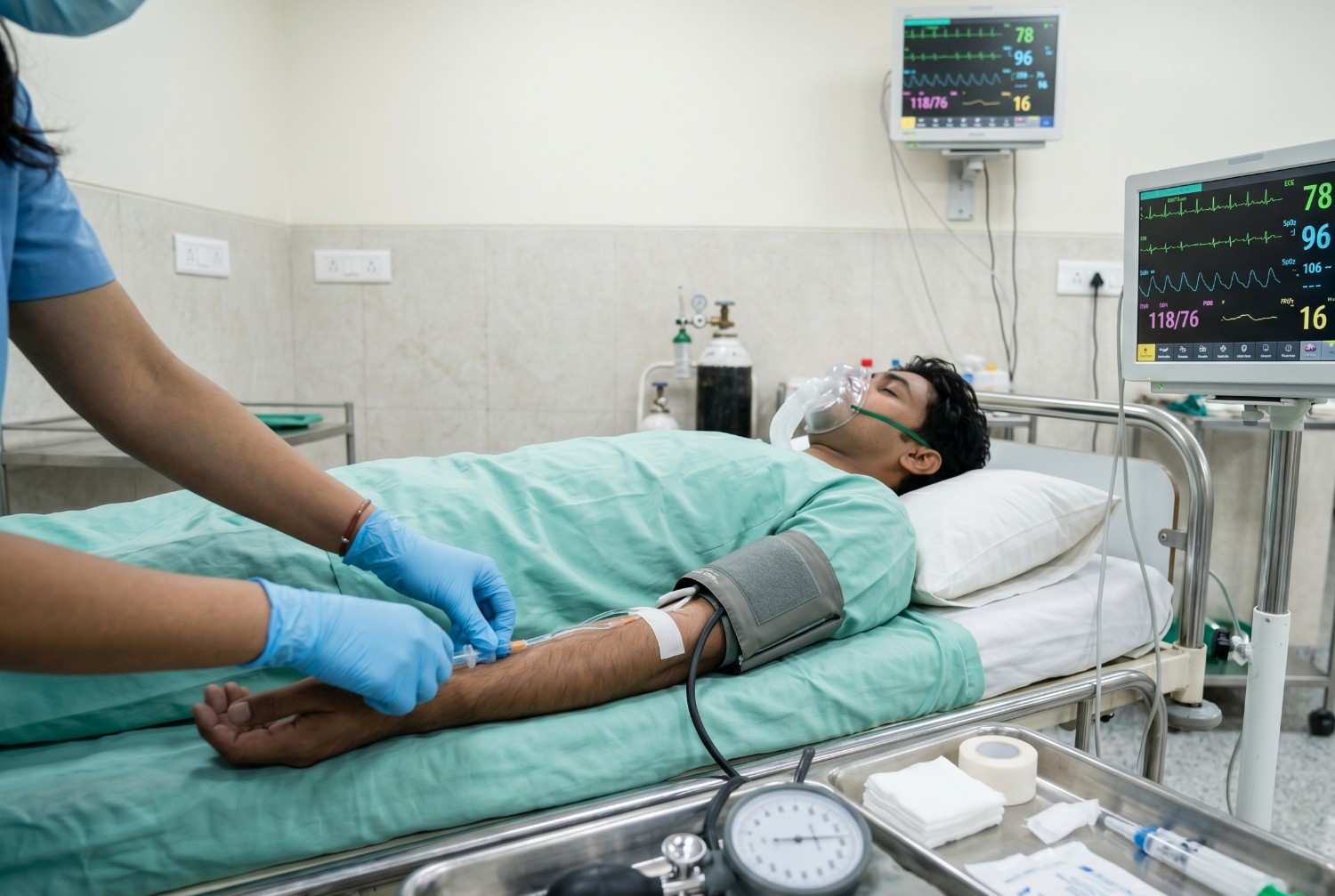
Expert Trauma Surgery for Emergency Injury Care
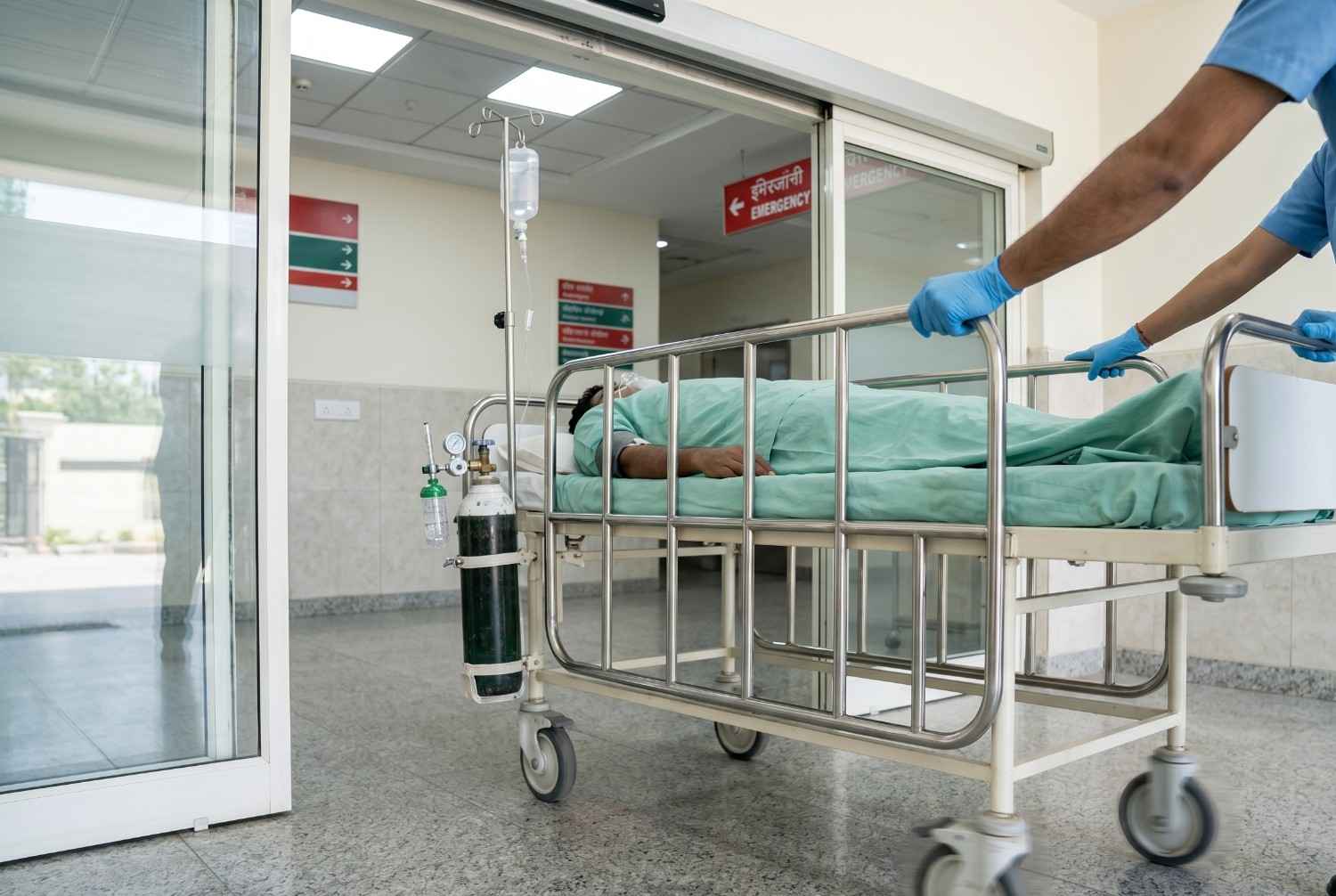
Modern Trauma Surgery
Traumatic injuries often occur suddenly and without warning. Road accidents, falls, workplace injuries, or physical assaults can cause severe damage to bones, organs, blood vessels, and soft tissues. These situations require fast decision making, skilled surgical intervention, and continuous monitoring to prevent life threatening complications.
At Nishat Hospital, trauma surgery focuses on rapid assessment and timely surgical care to stabilize patients and save lives. Our trauma team works round the clock with emergency physicians, anesthetists, and critical care specialists to manage complex injuries. The priority is to control bleeding, repair damage, and support recovery with the highest level of safety and precision.
Advanced Trauma Surgery with Rapid Medical Response
Emergency Trauma Surgeries
Rapid emergency trauma surgeries performed by experienced surgeons using advanced techniques for lifesaving treatment and faster recovery
Injury Stabilization and Repair
Expert injury stabilization and surgical repair using advanced techniques to restore function, mobility, and promote faster healing
Post Trauma Surgical Care
Advanced injury stabilization and precise surgical repair to restore function, reduce complications, and support optimal recovery outcomes.
Resources
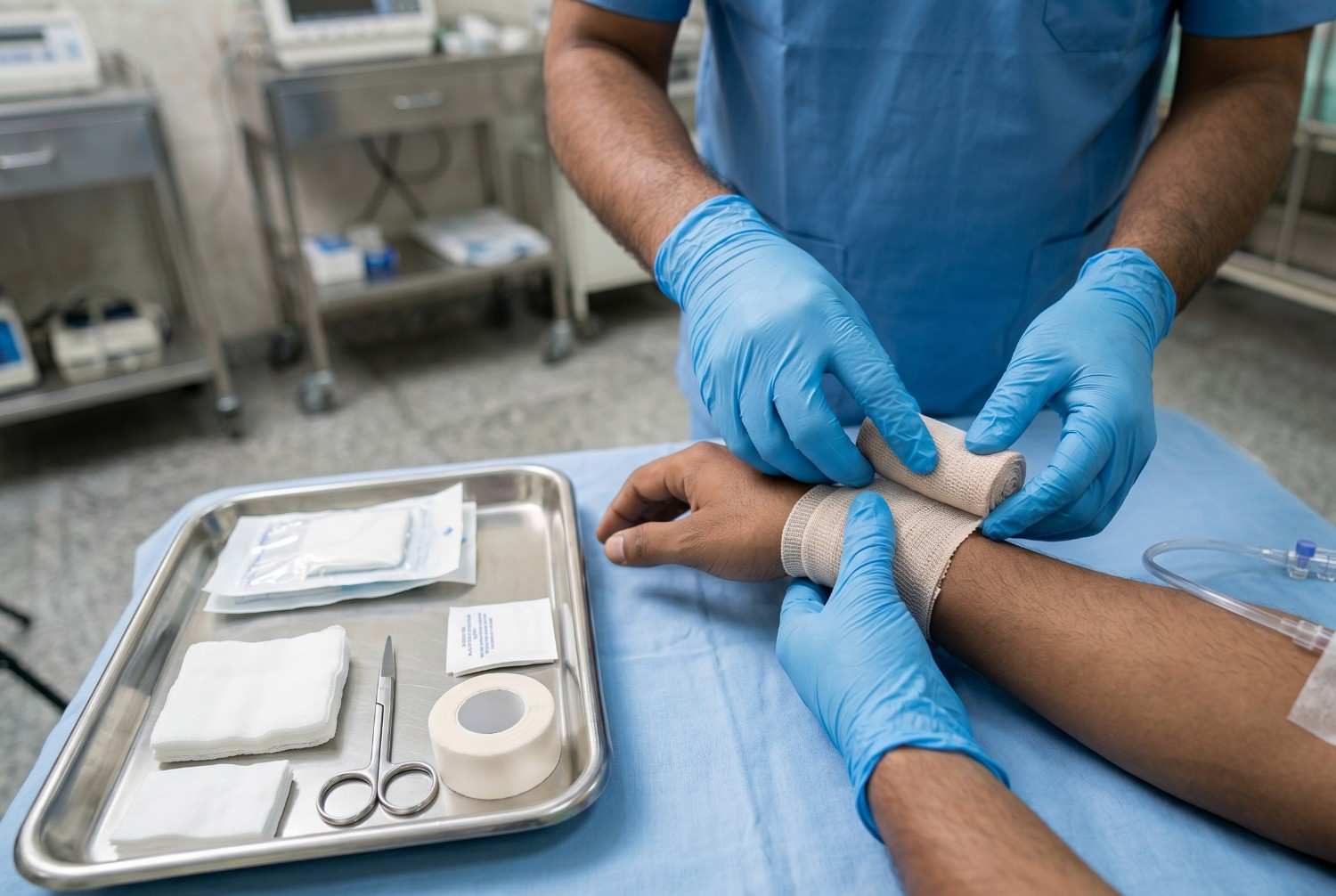
Trauma surgery plays a vital role in saving lives during medical emergencies. Fast response, skilled surgeons, and well equipped operation theatres significantly improve survival and recovery outcomes.
Recovery after trauma does not end with surgery. Continuous care, rehabilitation, and emotional support are essential to help patients regain strength and return to normal life safely.
Surgical Sciences Subspecialities
Trauma Surgery
Trauma Surgery at Nishat Hospital provides rapid emergency care, advanced surgical intervention, skilled specialists, and critical support for injuries, ensuring timely treatment, improved recovery outcomes, and patient safety.
Metabolic Surgery
Metabolic Surgery at Nishat Hospital offers advanced procedures for obesity and diabetes management, improving metabolism, promoting weight loss, enhancing health outcomes, and ensuring safe, effective, patient-centered surgical care.
Minimal Access Surgery
Advanced laparoscopic procedures with small incisions. Less pain, minimal scarring, faster recovery. Short hospital stays and quick return to routine. Safe, precise, patient-focused surgical care.
Plastic Surgery
Plastic Surgery at Nishat Hospital offers reconstructive and cosmetic procedures, enhancing appearance, restoring function, correcting deformities, and ensuring safe, advanced, personalized care for improved confidence and overall well-being.
Endrocrine Surgery
Endocrine Surgery at Nishat Hospital specializes in treating thyroid, parathyroid, and adrenal disorders, using advanced techniques to ensure precise procedures, faster recovery, improved hormonal balance, and better patient outcomes.
Cardiac Surgery
Cardiac Surgery at Nishat Hospital provides advanced heart procedures, including bypass and valve surgeries, performed by expert surgeons using modern technology, ensuring improved heart function, faster recovery, and enhanced patient survival outcomes.
Trauma Surgery FAQs
When Trauma Surgery Is Needed
Trauma surgery is required when injuries are severe, involve internal organs, uncontrolled bleeding, or pose a risk to life. These situations cannot be managed with medicines or minor procedures and need immediate surgical intervention.
Yes, trauma surgery is usually done in emergency situations where delay can worsen the condition. However, some trauma related surgeries may be planned after the patient is stabilized.
The trauma surgeon decides after rapid evaluation, imaging, and assessment of the patient’s condition and vital signs.
Types of Injuries Treated
Trauma surgeons treat injuries from road accidents, falls, blunt force impact, penetrating wounds, and crush injuries affecting the head, chest, abdomen, or limbs.
Yes, many trauma cases involve injuries to more than one organ, requiring careful coordination and sometimes multiple procedures.
Yes, severe fractures and associated injuries are often managed as part of trauma care.
During and After Surgery
Trauma surgery carries risks because injuries are often severe, but timely surgery greatly improves survival and reduces long term damage.
Yes, trauma surgeries are usually performed under general anesthesia to ensure patient safety and comfort.
After surgery, patients are closely monitored in critical care or recovery units to stabilize vital functions and prevent complications.
Recovery and Rehabilitation
Recovery depends on the severity of injuries. Some patients recover in weeks, while others may need longer rehabilitation.
In many cases, physiotherapy is necessary to restore strength, movement, and function after serious injuries.
With proper care and rehabilitation, many patients gradually return to daily activities, although recovery timelines vary.
Long Term Care and Safety
Yes, follow ups help monitor healing, detect complications early, and support proper recovery.
Yes, follow ups help monitor healing, detect complications early, and support proper recovery.
Some injuries may lead to long term effects, which is why continuous medical care and rehabilitation are important.
Following safety measures such as wearing seat belts, helmets, and practicing workplace safety reduces injury risk.
Appointment Booking & Referrals
Nishat Hospital offers a streamlined appointment booking and referral system, ensuring patients can easily schedule consultations with specialists. Our team assists with quick referrals, minimizing delays in accessing quality care and treatment