



More

Treatments

ORTHOPAEDICS · KNEE REPLACEMENT

Knee Replacement Surgery for Better Mobility and Less Pain

Persistent knee pain can make walking, climbing stairs, standing for long periods and everyday activities increasingly difficult. When severe joint damage no longer responds adequately to non-surgical care, knee replacement surgery may be considered. At Nishat Hospital, treatment planning is based on your symptoms, knee damage, medical history, mobility goals and overall health.
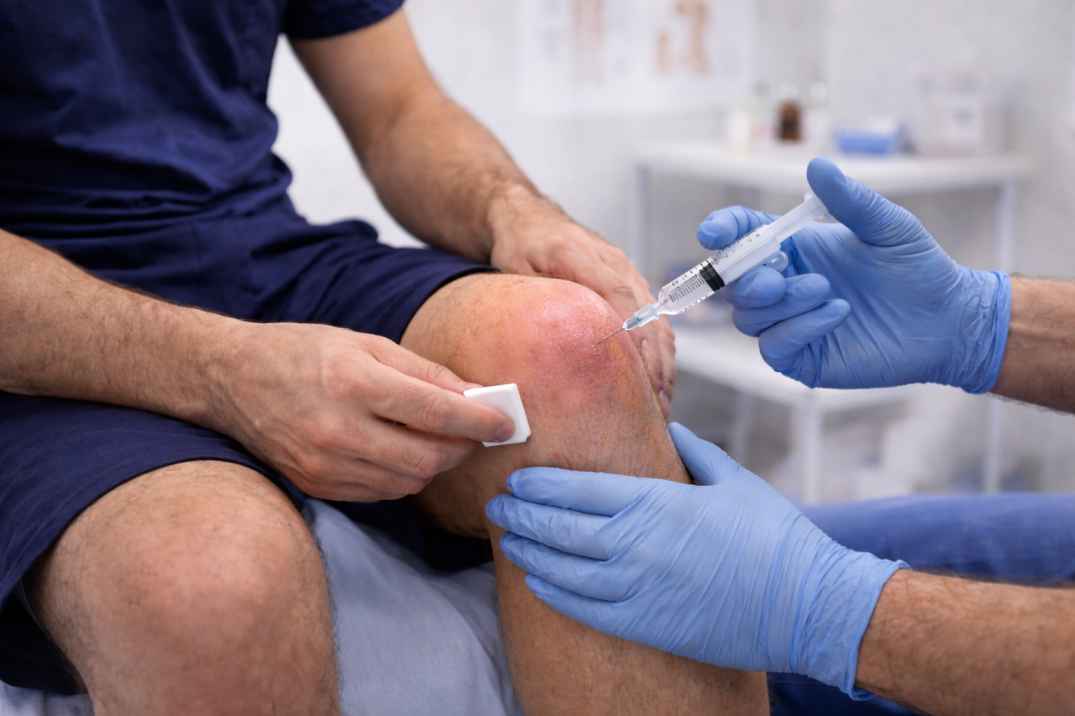
Knee replacement surgery and joint replacement care at Nishat Hospital Lucknow
Personalised knee replacement care Knee replacement may help relieve pain and improve movement when advanced joint damage significantly affects everyday life.

Knee replacement begins with understanding the cause and severity of your knee pain.

Knee replacement surgery is generally considered when damage to the knee joint causes significant pain, stiffness and difficulty with movement, particularly when other treatment options have not provided enough relief. Osteoarthritis is a common reason for knee replacement, although other forms of arthritis or previous knee injury can also contribute to severe joint damage. The Orthopedics team at Nishat Hospital can assess your knee, review your symptoms and discuss appropriate treatment options. For independent patient information, the American Academy of Orthopaedic Surgeons (AAOS) provides educational information about knee and joint replacement.

Important questions can help you understand whether knee replacement surgery should be discussed.

01

Is persistent knee pain limiting your everyday movement?

Severe or ongoing knee pain can affect walking, climbing stairs, standing, sleeping and other daily activities. If pain and stiffness are becoming difficult to manage, a detailed orthopaedic assessment can help identify the cause and available treatment options.

02

Have medicines, exercise or other treatments provided limited relief?

Depending on the diagnosis, doctors may first consider non-surgical approaches such as exercise therapy, physiotherapy, activity modification, weight management or medicines. When symptoms remain severe despite appropriate treatment, joint replacement may be discussed as one possible option.

03

Has knee damage started affecting your quality of life?

Difficulty walking comfortably, reduced independence or avoiding activities because of knee pain can indicate that your condition needs further evaluation. Your orthopaedic surgeon can explain whether total or partial knee replacement is appropriate based on the condition of your joint.

✓

The goal is to reduce knee pain, improve movement and help you return to daily activities.

During knee replacement surgery, damaged portions of the knee joint are replaced with prosthetic components. Depending on the extent and location of joint damage, a surgeon may discuss a total knee replacement or, in selected cases, a partial knee replacement. Recovery involves more than the operation itself. Physiotherapy, prescribed exercises, gradual activity and follow-up care are important parts of rehabilitation. Recovery time varies from person to person and depends on factors such as overall health, the type of surgery and progress during rehabilitation. You can read more about knee replacement surgery and recovery on the NHS and explore the NHS guide to what a knee replacement involves . For treatment planning at Nishat Hospital, visit the Orthopedics service to learn more about bone and joint care.

KNEE JOINT REPLACEMENT

From Knee Damage to a Carefully Planned Replacement

Knee replacement is a planned treatment pathway rather than a single procedure. Before surgery is considered, your orthopaedic team looks at how the condition is affecting your movement, whether other treatments have been tried, and what type of joint damage is present. This helps create a treatment plan that is appropriate for your individual needs.

Orthopaedic knee replacement and joint care at Nishat Hospital Lucknow
JOINT REPLACEMENT CARE
A treatment plan built around your knee The purpose of knee replacement is to address severe joint damage and help improve pain, function and everyday mobility when appropriate.
01

Understanding What Is Limiting Your Knee

Your consultation begins with your experience of knee pain, stiffness and reduced movement. The specialist may ask about walking, stairs, sleep, work and activities you have stopped doing because of your knee. A physical examination and appropriate imaging help build a clearer picture of the condition.

Assessment comes before a surgical decision
02

Considering Whether Surgery Is Necessary

Knee arthritis does not always mean that replacement is required. Depending on the severity of the problem, treatment can include exercise, physiotherapy, medicines, activity changes and other non-operative measures. Surgery may be discussed when symptoms continue to interfere with daily life despite appropriate conservative care.

Treatment choices depend on individual circumstances
03

Selecting the Type of Knee Replacement

Not every damaged knee needs the same operation. A total knee replacement replaces the damaged surfaces of the main parts of the joint. For selected patients whose arthritis is limited to one compartment, a partial knee replacement may be considered. The appropriate option is determined after clinical assessment and imaging.

Total and partial replacement serve different situations
04

Preparing for the Operation

Once surgery has been planned, preparation becomes an important part of the process. Your medical team may review your general health, medications and fitness for surgery. Appropriate exercises, healthy eating, weight management and planning for support at home may also be discussed where relevant.

Preparation can support a smoother recovery
05

Rehabilitation After Knee Replacement

Recovery continues after the operation. Patients are generally encouraged to begin appropriate movement and rehabilitation soon after surgery. Physiotherapy and prescribed exercises help work on strength, flexibility and walking ability. Recovery speed varies between individuals, so progress should be guided by the treating team.

Rehabilitation is an important part of the journey
PROCEDURE

Total Knee Replacement

In a total replacement, damaged joint surfaces are replaced with prosthetic components to create a new articulating surface.

SELECTED CASES

Partial Knee Replacement

When arthritis is confined to a suitable part of the knee, partial replacement may be considered after specialist assessment.

AFTER SURGERY

Movement & Rehabilitation

Walking practice, physiotherapy and home exercises can form part of the recovery programme following surgery.

Preparing for Knee Replacement

Good preparation gives you an opportunity to understand the procedure and organise the practical aspects of recovery.

  • Discuss your existing medicines and health conditions with your healthcare team.
  • Follow any recommended exercises or activity programme before surgery.
  • Maintain appropriate nutrition and work towards a healthy weight when advised by your doctor.
  • Arrange help and transport for the early period after leaving hospital.

What Happens During Recovery?

Recovery is gradual. The focus is on controlling discomfort, restoring movement and safely increasing activity over time.

  • Early walking and movement may begin soon after surgery.
  • Physiotherapy can help improve strength and knee function.
  • Home exercises should be followed according to professional instructions.
  • Full recovery can take several months and differs between patients.

Learn more through the NHS knee replacement recovery guide .

If persistent knee arthritis is making ordinary activities increasingly difficult, a specialist assessment can help clarify whether joint replacement is appropriate or whether another treatment should be explored first. The Orthopedics department at Nishat Hospital provides evaluation and treatment planning for bone and joint conditions. You can also review independent information from the American Academy of Orthopaedic Surgeons to understand the basics of total knee replacement.

KNEE REPLACEMENT SURGERY

When Is Knee Replacement Surgery Considered?

Knee replacement surgery may be considered when long-term knee pain, stiffness and loss of movement begin to make everyday activities difficult. It is usually discussed after other treatments have not provided enough relief and arthritis or joint damage has significantly affected mobility. A detailed orthopaedic assessment helps determine whether surgery is appropriate for your knee, health and lifestyle.

01

Persistent knee pain is limiting your everyday life

Ongoing knee pain can make walking, climbing stairs, standing for long periods, exercising or performing routine household activities increasingly difficult. When pain continues despite appropriate treatment, an orthopaedic evaluation can help identify the cause and discuss the available options.

02

Knee stiffness is affecting your movement

Advanced joint damage can cause stiffness and reduce the ability to bend or straighten the knee comfortably. Difficulty getting up from a chair, walking normally or managing stairs may indicate that the joint is no longer responding adequately to conservative treatment.

03

Non-surgical treatment is no longer providing enough relief

Physiotherapy, exercise, weight management, medicines and other non-surgical measures can help many people manage knee problems. If significant pain and functional limitations continue despite appropriate care, your orthopaedic specialist may discuss knee replacement as one possible treatment option.

What Signs May Lead to a Knee Replacement Assessment?

The decision to consider knee replacement is based on more than an X-ray or a single symptom. Your doctor considers your pain, mobility, physical examination, imaging findings, previous treatments and the effect of the knee problem on your daily life.

✓

Persistent knee pain during walking, standing or everyday activities.

✓

Increasing stiffness or difficulty bending and straightening the knee.

✓

Reduced mobility that affects work, exercise, stairs or household tasks.

✓

Symptoms that remain troublesome despite appropriate non-surgical care.

KNEE REPLACEMENT CARE

What Happens During Knee Replacement Surgery?

Knee replacement is a procedure in which damaged surfaces of the knee joint are removed and replaced with carefully selected artificial components. The aim is to reduce pain, improve function and help restore useful movement. The exact surgical approach and implant selection depend on the condition of the knee and the individual patient's needs.
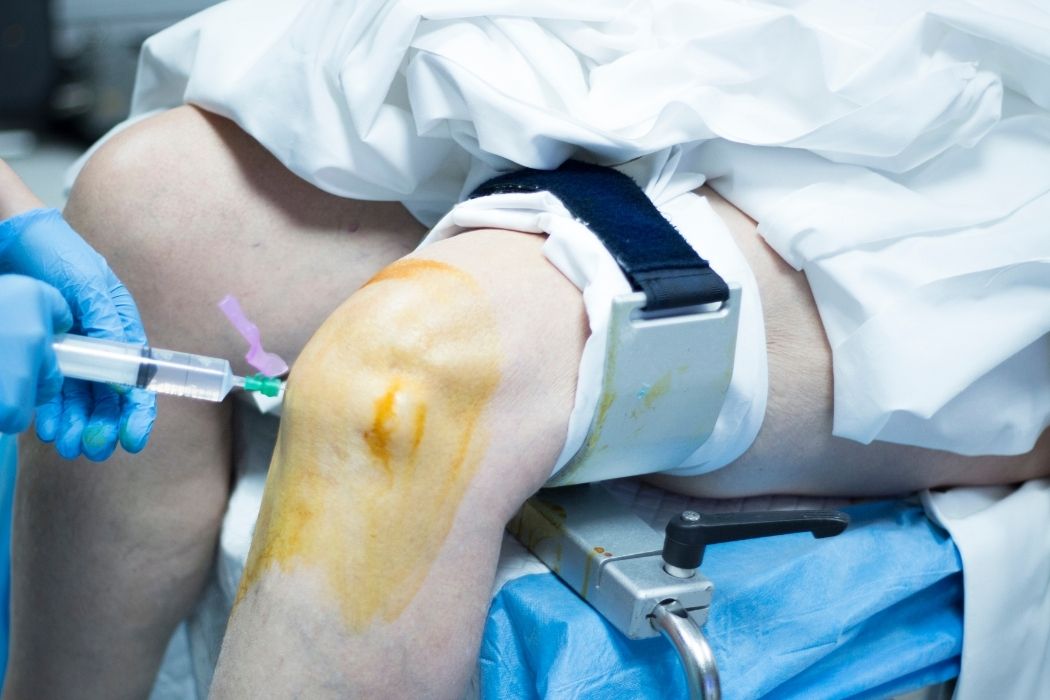
Knee replacement surgery and joint care at Nishat Hospital Lucknow
Knee replacement is planned around your joint condition and mobility goals. Assessment, surgical planning, rehabilitation and follow-up all play an important role in the recovery process.
UNDERSTANDING THE PROCEDURE

Knee replacement is designed to improve function when a damaged joint becomes difficult to manage.

During surgery, damaged portions of the knee joint are replaced with artificial surfaces designed to allow smoother movement. According to AAOS OrthoInfo , total knee replacement is commonly considered for people with significant knee arthritis and symptoms that interfere with daily activities after other treatments have not provided sufficient relief.

01

Removing Damaged Joint Surfaces

During the operation, the surgeon removes the damaged portions of the knee while preserving as much healthy bone and soft tissue as appropriate. The surfaces are prepared to receive the replacement components.

02

Positioning the Artificial Components

The replacement components are positioned to restore appropriate alignment and movement of the joint. The procedure is carefully planned according to the patient's anatomy, joint damage and clinical findings. You can also explore the NHS information on knee replacement for general guidance about the procedure and recovery.

Which Type of Knee Replacement May Be Suitable?

Knee replacement is not identical for every patient. The type of procedure depends on the extent and location of joint damage, symptoms, ligament condition, alignment and other clinical factors.

DAMAGE AFFECTING MOST OF THE KNEE

Total Knee Replacement

A total knee replacement replaces the damaged surfaces of the main compartments of the knee. It may be considered when arthritis has caused extensive joint damage and persistent symptoms that significantly affect mobility and quality of life. The suitability of surgery is determined through a clinical assessment rather than symptoms alone.

DAMAGE LIMITED TO ONE COMPARTMENT

Partial Knee Replacement

When damage is limited to a specific part of the knee and the remaining joint structures are suitable, a partial knee replacement may be considered. This approach is appropriate only for selected patients after examination and imaging. Your orthopaedic surgeon can explain whether it is suitable for your particular knee.

Recovery after knee replacement involves movement, rehabilitation and regular follow-up.

Knee replacement surgery is only one part of the treatment journey. Rehabilitation begins after surgery and may include guided exercises, walking practice and physiotherapy to gradually restore strength, flexibility and confidence. Recovery varies from person to person, and following the rehabilitation plan provided by your clinical team can support the return to everyday activities. Learn more about Orthopedic care at Nishat Hospital for specialist evaluation of knee and other musculoskeletal conditions.


KNEE REPLACEMENT GUIDE

Knee Replacement Surgery FAQs

Find practical answers about knee replacement surgery, when it may be considered, the evaluation process, different surgical approaches, recovery, physiotherapy, precautions, expected outcomes and treatment costs at Nishat Hospital.

Knee Replacement Basics
Knee replacement surgery is a procedure used to replace damaged surfaces of the knee joint with artificial components. It may be considered when severe joint damage causes ongoing pain and difficulty with movement despite appropriate non-surgical treatment. The aim is to reduce pain and improve the ability to perform everyday activities. The AAOS guide to total knee replacement provides additional information about the procedure.
A replacement may be considered when cartilage and other joint structures have become significantly damaged, commonly because of advanced osteoarthritis. Persistent pain, stiffness, reduced walking ability and difficulty with routine activities can indicate that the knee is becoming difficult to manage with conservative treatment.
No. Many people with knee arthritis can manage their symptoms with exercise, physiotherapy, activity modification, weight management where appropriate and medical treatment. Surgery is generally discussed when symptoms remain significant and continue to affect daily life despite suitable non-surgical care.
Signs can include persistent knee pain, increasing stiffness, reduced range of motion, difficulty walking, trouble using stairs and pain that interferes with sleep or routine activities. Symptoms alone do not determine whether surgery is needed, so an examination and appropriate investigations are important.
There is no single age or fixed date that applies to everyone. Knee replacement may be discussed when pain and functional limitations have become substantial, imaging and examination show significant joint damage, and appropriate non-surgical measures have not provided enough relief. The decision is made individually with your orthopaedic surgeon.
Age is only one consideration. Doctors also look at pain, mobility, joint damage, general health, activity requirements and the effect of the knee problem on everyday life. A consultation helps determine whether the potential benefits of surgery are appropriate for an individual patient.
Pre-operative assessment may include a medical history, physical examination and knee imaging such as X-rays. Depending on your health and planned surgery, additional blood tests, heart assessment or other investigations may be requested. Your surgical team determines which tests are appropriate for you.
Physiotherapy and appropriate exercise can improve muscle strength, flexibility and function and may help manage symptoms. They cannot reverse advanced structural joint damage, but they can be an important part of treatment before and after surgery. Whether surgery is necessary depends on the individual clinical picture.
During total knee replacement, the surgeon removes damaged joint surfaces and prepares the bone to receive artificial components. The replacement parts are positioned to restore the function and alignment of the knee as appropriately as possible. The exact surgical technique depends on the patient's anatomy and clinical requirements.
A total knee replacement addresses damaged surfaces across the main areas of the knee joint. A partial replacement is considered when damage is limited to a particular compartment and the remaining joint structures meet the requirements for that procedure. Not every patient is suitable for partial replacement.
Implant selection depends on factors such as knee anatomy, ligament condition, bone quality, joint damage and the surgical approach. Your orthopaedic surgeon selects an implant system and size based on the findings from your examination and imaging.
The operating time varies according to the complexity of the procedure, surgical technique and individual patient factors. The overall hospital experience also includes preparation before surgery and monitoring afterward, so time in the hospital should not be judged only by the length of the operation itself.
Knee replacement can be performed using different forms of anaesthesia depending on the patient's health, anaesthetist's assessment and surgical plan. The anaesthesia team discusses the options, preparation and safety measures with you before the operation.
Recovery involves gradually increasing movement and strength while the knee heals. Walking and prescribed exercises usually become part of the early rehabilitation programme. Progress differs between patients, so your surgeon and physiotherapy team will guide the pace of activity according to your recovery.
Rehabilitation helps restore knee movement, muscle strength and confidence with everyday activities. Exercises are progressed according to your condition and surgical instructions. Following the recommended programme can help you work toward functional recovery.
Many patients are encouraged to begin moving and walking with assistance relatively soon after surgery, when the clinical team considers it safe. The exact timing depends on your procedure, medical condition, pain control and mobility. Your physiotherapist will guide you through the initial walking programme.
Recovery is gradual rather than identical for every patient. Walking ability and daily function generally improve over time, while strength and confidence can continue developing through rehabilitation. Factors such as age, general health, muscle strength and adherence to rehabilitation can influence the recovery process.
After surgery, you will receive instructions about wound care, exercises, walking, medication and gradually returning to activities. It is important to attend scheduled follow-ups and contact your medical team if you develop concerning symptoms such as increasing wound problems, fever or unexpected swelling.
The main goals are to reduce pain and improve useful knee function. Many patients work toward walking more comfortably and returning to everyday activities. Individual results vary, and surgery cannot guarantee that every activity or movement will return exactly to its previous level.
Stair use is generally included in rehabilitation as strength and control improve. Initially, you may need support and specific instructions for using stairs safely. Your physiotherapist can teach you the appropriate technique and progress it as your recovery develops.
Exercise is an important part of maintaining strength and mobility after recovery. Activities should be introduced gradually and according to your surgeon's and physiotherapist's guidance. Lower-impact activities are commonly used during rehabilitation, while high-impact exercise may require individual discussion.
Modern knee replacements can provide long-term improvement, although their lifespan varies between individuals. Implant longevity can be influenced by factors including activity, body weight, implant design, surgical factors and general health. Your surgeon can discuss expected durability in the context of your situation.
Although knee replacements are designed for long-term use, some implants may eventually develop problems such as loosening, wear or infection. Revision surgery can sometimes be required when a replacement fails or becomes significantly problematic. Regular medical review is important when persistent or new symptoms develop.
The cost can vary because every patient's treatment plan is different. Factors may include the type of knee replacement, implant selected, investigations, surgeon and hospital charges, anaesthesia, medicines, length of stay and rehabilitation. A personalised estimate can be discussed after clinical assessment and surgical planning.
The final expense can depend on the surgical technique, implant system, investigations, medical requirements, hospital stay and post-operative rehabilitation. If additional treatment is needed because of another medical condition, this can also affect the overall hospital expenses.
You can arrange an orthopaedic consultation to discuss persistent knee pain, stiffness, reduced mobility or possible joint replacement. Call 0522 408 2590 or use the online appointment option to request a consultation.
Persistent knee pain or loss of mobility can be assessed by an orthopaedic specialist. At Nishat Hospital Orthopedics , patients can discuss knee problems and available treatment options, including non-surgical management and joint replacement when clinically appropriate.
Bring previous X-rays or scans, medical reports, a list of current medicines and information about previous knee treatments if available. It is also useful to explain how pain and stiffness affect walking, stairs, sleep, work and other daily activities. This information can help your specialist understand your concerns more clearly.
No. The appropriate procedure depends on the underlying problem. Some knee conditions may be treated with other procedures, while extensive arthritis may make replacement appropriate. A specialist assessment is necessary before selecting a surgical approach.
Scroll to Top