



Joint Replacement Surgery for Pain Relief & Better Mobility
Severe joint pain and stiffness can gradually make walking, climbing stairs, working or enjoying everyday activities difficult. When medicines, physiotherapy, exercise and other non-surgical treatments no longer provide enough relief, joint replacement may be considered. At Nishat Hospital, treatment is planned around the affected joint, severity of damage, mobility, general health and individual goals.
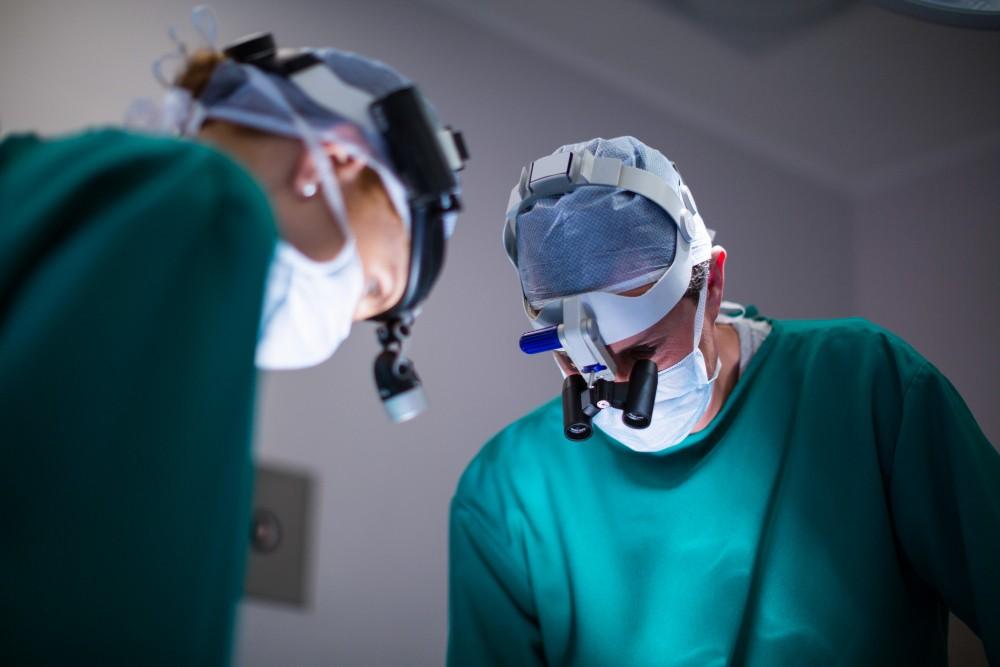
The right treatment depends on your symptoms, joint damage, mobility and response to earlier care.
Is persistent joint pain limiting your everyday activities?
Ongoing pain in the knee, hip or another major joint can make walking, standing, climbing stairs, getting up from a chair or completing routine activities increasingly difficult. An orthopaedic assessment can help determine the underlying cause and whether non-surgical or surgical treatment is appropriate.
Have medicines, physiotherapy or lifestyle measures stopped giving enough relief?
Joint replacement is generally considered after appropriate conservative measures have been tried and symptoms continue to significantly affect quality of life. Your doctor may review exercise, physiotherapy, medicines, weight management, activity modification and other options before discussing surgery.
Could replacing the damaged joint improve your mobility and function?
When severe joint damage causes ongoing pain and restricted movement, replacing the damaged surfaces with an artificial joint may help reduce symptoms and improve function. The choice between total, partial or other procedures depends on the joint condition and your individual assessment.
The aim is to relieve pain, improve movement and help you return to meaningful daily activities.
A carefully planned joint replacement procedure can be an option for people with advanced joint damage whose pain and mobility problems have not improved sufficiently with non-surgical care. Knee and hip replacements are among the most commonly performed joint replacement procedures. Recovery includes gradual activity, strengthening and rehabilitation, with progress varying from person to person. The Nishat Hospital Orthopedics service provides evaluation and treatment planning for a range of bone and joint conditions. You can also read the NHS information about knee replacement to understand the procedure, while AAOS patient guidance provides information about recovery following joint replacement.
How Does Joint Replacement Surgery Help Damaged Joints?
Joint replacement is considered when severe joint damage causes ongoing pain, stiffness and difficulty with everyday movement, and other treatments have not provided enough relief. The procedure replaces damaged joint surfaces with an artificial joint to help reduce pain and improve function. At Nishat Hospital, the treatment approach is based on the affected joint, extent of damage, mobility, medical history and individual recovery needs.

Detailed Joint Evaluation & Diagnosis
Treatment starts with understanding why the joint is painful and how much the condition is affecting movement. Your orthopaedic specialist may assess symptoms, walking ability, joint stability, previous treatments and medical history. X-rays and other imaging may be recommended to understand the extent of cartilage loss, bone changes or joint damage.
Exploring Non-Surgical Treatment First
Joint replacement is not the first option for every patient with joint pain. Depending on the diagnosis, treatment may include physiotherapy, strengthening exercises, weight management, medicines, activity modification or other appropriate measures. Surgery may be discussed when these approaches no longer provide sufficient relief.
Planning the Right Joint Replacement Procedure
If surgery becomes appropriate, the procedure is planned according to the joint involved and the pattern of damage. Knee and hip replacement are commonly performed forms of joint replacement. Depending on the condition, your surgeon may discuss total or partial replacement and explain the expected benefits, limitations and recovery process.
Recovery, Physiotherapy & Rehabilitation
Recovery does not end when the operation is completed. Early movement, strengthening exercises and physiotherapy can play an important role in restoring function. Your rehabilitation plan may be adjusted according to pain, strength, balance, mobility and progress during follow-up.
What Does Joint Replacement Treatment Involve?
Successful joint replacement involves more than the operation itself. Your care may include assessment before surgery, preparation for the procedure, appropriate surgical planning and structured rehabilitation afterwards. The goal is to address persistent pain and help you gradually return to useful everyday movement.
A detailed orthopaedic assessment helps identify the cause of persistent joint pain, stiffness and reduced mobility and determines whether replacement is an appropriate option.
Before surgery, your medical history, medicines and general health may be reviewed so that joint replacement surgery can be planned safely around your individual needs.
During the procedure, damaged areas of the joint are replaced with artificial components designed to restore the joint's movement and function. The exact technique depends on the joint being treated and extent of damage.
Rehabilitation after surgery focuses on gradually improving movement, muscle strength, balance and walking ability. Your physiotherapy programme and activity progression should follow the instructions of your treating team.
The goal is to reduce pain and help you move with greater confidence.
Living with advanced joint damage can gradually affect walking, climbing stairs, getting up from a chair, working and other activities that are important to everyday life. For selected patients, joint replacement can provide a way to address severe damage when non-surgical treatment has not provided enough relief. The Orthopedics service at Nishat Hospital can assess your joint condition and discuss appropriate treatment options. If you are considering knee replacement, the NHS knee replacement information provides general guidance about when the procedure may be considered and what recovery can involve. For additional patient-focused information about joint replacement, the American Academy of Orthopaedic Surgeons explains the basics of total knee replacement. Your recovery, expected results and suitability for surgery depend on factors such as the condition of the joint, overall health and rehabilitation. A consultation can help you understand which treatment approach is appropriate for your situation.
When Should You Consider Joint Replacement Surgery?
Joint replacement may be considered when a damaged joint causes persistent pain, stiffness and difficulty with everyday movement, particularly when non-surgical treatments no longer provide enough relief. A detailed orthopaedic evaluation helps determine whether surgery is appropriate and which treatment approach best matches your joint condition, activity level and overall health.
Joint pain is limiting your everyday life
Ongoing knee or hip pain can make walking, climbing stairs, standing for long periods, working or enjoying normal activities increasingly difficult. When pain consistently interferes with daily life, an orthopaedic assessment can help identify the underlying joint damage and available treatment options.
Stiffness and reduced movement are getting worse
Advanced joint damage can cause stiffness, reduced flexibility and difficulty bending or straightening the affected joint. If restricted movement begins to affect walking, personal care, sleep or other routine activities, a specialist evaluation may help clarify whether joint replacement should be discussed.
Non-surgical treatment is no longer enough
Physiotherapy, exercise, medicines, activity modification and other conservative treatments may help manage joint problems. If significant pain or loss of function continues despite appropriate care, your orthopaedic specialist can assess whether a surgical option such as joint replacement may be suitable.
What Signs May Indicate That Joint Replacement Needs to Be Discussed?
The decision to consider joint replacement is not based on pain alone. Your doctor considers your symptoms, physical examination, medical history, imaging findings and how much the joint problem is affecting your daily activities.
Persistent knee or hip pain that affects walking, work, sleep or routine activities.
Increasing stiffness or loss of movement in the affected joint.
Difficulty performing everyday activities because of joint pain, weakness or reduced mobility.
Symptoms that remain troublesome despite appropriate non-surgical treatment.
What Does Joint Replacement Surgery Involve?
Joint replacement surgery involves removing damaged portions of a joint and replacing them with artificial components designed to restore useful movement. It is most commonly performed for severely damaged knee or hip joints, although replacement surgery can also be considered for other joints in selected patients. Treatment is planned according to the condition of the joint, symptoms, general health and functional goals.

Joint replacement is more than replacing a damaged joint.
Successful joint replacement care begins with understanding why the joint has become painful and how the condition is affecting your movement. Your orthopaedic specialist may assess your symptoms, joint alignment, mobility, medical history and imaging before recommending surgery. The American Academy of Orthopaedic Surgeons explains that total knee replacement is considered when knee pain and loss of function significantly affect daily activities and other treatments have not provided adequate relief.
Detailed Joint Assessment
Your orthopaedic evaluation may include a physical examination, review of symptoms and medical history, assessment of movement and appropriate imaging. This helps determine the extent of joint damage and whether replacement surgery is an appropriate option.
Surgical Planning & Preparation
Before surgery, your doctor reviews your overall health, medications, mobility and other factors that may affect treatment. The type of replacement and surgical approach are selected according to the affected joint and individual clinical requirements. The NHS knee replacement guidance also highlights the importance of assessment and preparation before surgery.
Joint replacement can be an important treatment option for people with advanced joint damage and persistent symptoms. At Nishat Hospital Orthopedics , patients can receive specialist evaluation for knee, hip and other bone and joint conditions. If pain and stiffness continue to affect your mobility despite non-surgical treatment, an orthopaedic specialist can explain the available options and whether joint replacement may be appropriate for your condition. The focus is on selecting treatment according to your symptoms, joint health and individual recovery needs.