
Knee Arthroscopy for Meniscus, ACL & Sports Knee Injuries
Nishat Hospital provides assessment and treatment for knee injuries affecting the meniscus, ACL, cartilage and other knee structures. Knee arthroscopy may be considered when symptoms and examination findings indicate that minimally invasive surgery could help.
If knee pain, locking, swelling, instability or reduced movement continues after an injury, an orthopedic evaluation can help identify the cause. Arthroscopy and sports injury care can be appropriate for selected problems, including certain meniscus injuries and ligament-related knee conditions. Treatment is planned around the injury, activity level, symptoms and expected benefit rather than using surgery as a first step for every patient.
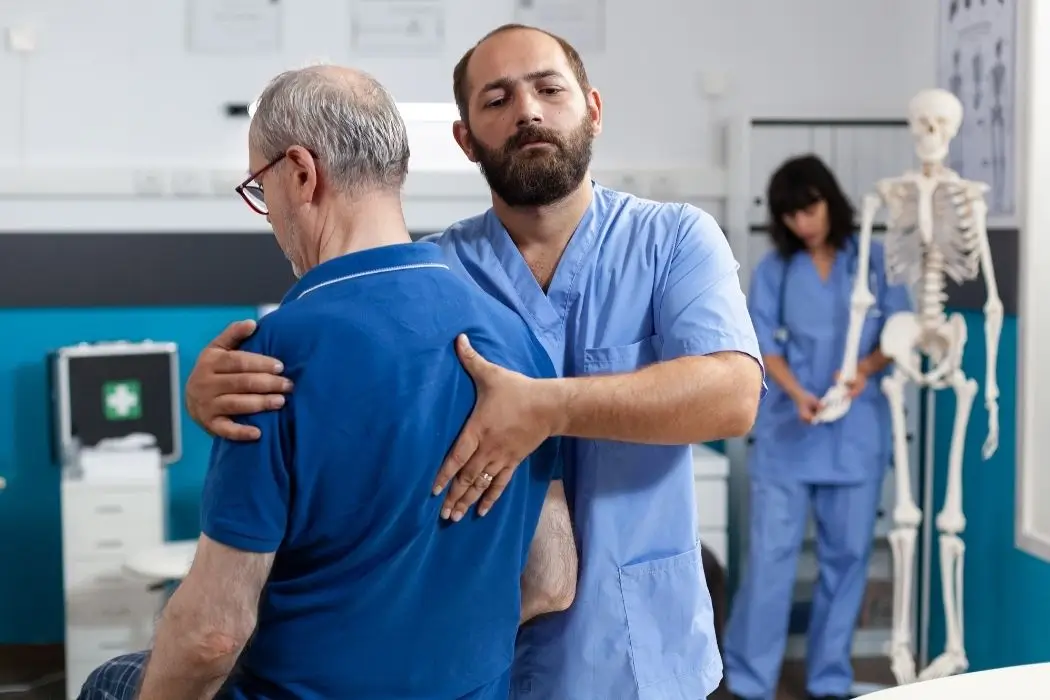
Understanding arthroscopic knee surgery starts with the right diagnosis.
Not every knee injury needs an operation.
Knee pain after sport, exercise, a twist or a fall can come from several different structures. A meniscus tear, ACL injury, cartilage problem, ligament sprain, tendon irritation or inflammation can produce symptoms that overlap. A careful history, physical examination and appropriate imaging help determine what is actually causing the problem.
Knee arthroscopy is a minimally invasive surgical technique in which a small camera is used to view the inside of the knee through small incisions. Depending on the diagnosis, an orthopedic surgeon may use arthroscopy to assess or treat selected problems involving the meniscus, cartilage, ligaments or other joint structures. For some injuries, physiotherapy, activity modification, medication or structured rehabilitation may be more appropriate than surgery.
The aim of treatment is to reduce symptoms and improve knee function while considering the patient's age, activity requirements, injury pattern and long-term joint health.
Which knee problems may be evaluated for arthroscopy?
Knee arthroscopy is considered for selected conditions when symptoms, examination and imaging indicate that a surgical approach may be useful.
Focused treatment for selected knee injuries.
Arthroscopic treatment is planned after evaluating the type of injury, symptoms, imaging, activity demands and whether non-surgical care has been sufficient.
Meniscus Injury Treatment
A meniscus tear can cause pain, swelling, catching or a feeling that the knee is not moving normally. Depending on the tear pattern and symptoms, treatment may involve rehabilitation or arthroscopy. When surgery is appropriate, the goal is to preserve healthy meniscal tissue whenever possible.
ACL Injury Assessment & Treatment
ACL injuries are common in sports involving sudden stopping, landing or changing direction. Some patients may be managed with rehabilitation, while selected active patients with instability or associated injuries may be considered for ACL surgery. The treatment decision is individual and follows clinical assessment.
Knee Sports Injury Care
Twisting injuries, falls and sports collisions can affect the meniscus, ACL, other ligaments, cartilage and surrounding tissues. Assessment helps determine whether the injury is suitable for non-operative rehabilitation or whether arthroscopic treatment should be discussed.
Post-Procedure Rehabilitation
Recovery after knee arthroscopy depends on the procedure performed and the individual injury. A rehabilitation plan may include swelling control, gradual movement, strengthening, gait training and a staged return to normal activity or sport.

When knee symptoms affect movement, the cause matters.
A knee that repeatedly swells after activity, gives way during movement, catches or locks, or remains painful after an injury may need more than rest alone. These symptoms can occur with meniscus injuries, ACL tears and other ligament or cartilage problems, but they do not identify the exact diagnosis by themselves.
During an orthopedic assessment, the clinician considers how the injury happened, where the pain is located, whether instability is present and how the knee performs during movement. Imaging may be recommended when it can add useful information. If arthroscopy is appropriate, the procedure and expected rehabilitation are discussed before treatment.
What should you know before knee arthroscopy?
Good surgical care begins before the operation.
Knee arthroscopy is not simply a treatment for “knee pain.” It is a technique used for selected joint problems. Before recommending surgery, the orthopedic team considers the diagnosis, duration of symptoms, functional limitations, previous treatment and the expected benefit of an operation.
For a meniscus injury, the location and pattern of the tear can matter. Some tears may settle with rehabilitation, while others may produce persistent mechanical symptoms or occur with additional injuries. The treatment plan is therefore individualized.
An ACL injury also does not automatically mean that every patient needs surgery. Activity level, instability, associated injuries and personal goals can influence the treatment discussion. People returning to pivoting sports may have different needs from people whose daily activities do not place similar demands on the knee.
Reliable patient education can help. The American Academy of Orthopaedic Surgeons' knee arthroscopy guide explains the procedure, common reasons it is performed and general recovery considerations. Medical information online should complement, not replace, an individual orthopedic examination.
Recovery is also part of the treatment. Depending on the procedure, patients may need temporary activity restrictions followed by progressive exercises. Returning to sport should be based on recovery milestones and the treating team's advice rather than a fixed timeline alone.
What happens during a knee arthroscopy consultation?
A structured assessment helps determine whether your symptoms may be related to a meniscus, ACL, ligament, cartilage or another knee problem.
The doctor reviews how the injury happened, symptom timing, swelling, locking, instability and activity limitations.
Movement, tenderness, stability, swelling and functional signs are assessed to guide the diagnosis.
X-rays or MRI may be advised when imaging can clarify the suspected injury or help plan treatment.
The options may include rehabilitation, activity modification, medication or arthroscopic surgery when appropriate.
Answers to common questions about arthroscopic knee surgery.
Select a category to explore questions about the procedure, meniscus injuries, ACL problems, sports injuries and recovery. The tab interface uses CSS only for a lightweight page experience.
Knee arthroscopy is a minimally invasive procedure in which a small camera is inserted into the knee through small incisions to examine and, when appropriate, treat selected joint problems.
It may be considered for selected meniscus, cartilage, ligament and other knee conditions when the clinical assessment and imaging support a potential benefit from arthroscopic treatment.
No. Many knee injuries can be treated with rehabilitation, activity modification, medication or other non-surgical care. The appropriate option depends on the diagnosis and individual circumstances.
No. Arthroscopy uses small incisions and a camera to evaluate or treat selected problems inside the knee. Knee replacement is a different operation used for advanced joint damage in selected patients.
Pain, swelling, catching, clicking or difficulty moving the knee can occur with a meniscus injury. Symptoms vary according to the tear and associated injuries.
Some meniscus injuries can be managed without surgery, depending on the tear pattern, location, symptoms and the patient's overall knee function. An orthopedic assessment helps determine the appropriate approach.
Arthroscopy may be discussed when symptoms persist or when the tear has characteristics that make an operation potentially useful. Treatment decisions are individualized.
Return to sport depends on the injury and treatment performed. Rehabilitation, strength, movement and sport-specific function should be considered before returning to high-demand activity.
An ACL injury can cause swelling, pain and a feeling of instability. Assessment also considers associated meniscus, cartilage or other ligament injuries before a treatment plan is selected.
No. Treatment depends on instability, activity requirements, associated injuries and individual goals. Some people may be treated with structured rehabilitation, while surgery may be considered in selected cases.
Yes. ACL damage can contribute to instability, particularly during pivoting or changing direction. The extent of instability is assessed clinically.
Sports can cause meniscus tears, ACL injuries, other ligament sprains, cartilage injuries and muscle or tendon problems. The exact diagnosis depends on the mechanism and examination findings.
Assessment is especially useful when there is significant swelling, inability to bear weight, locking, repeated giving way, persistent pain or difficulty returning to normal activity.
No. Imaging is selected according to the clinical assessment and suspected injury. MRI can be useful for certain soft-tissue problems, but it is not automatically required for every knee injury.
Recovery varies according to the procedure, the underlying injury and the patient's progress. A simple procedure may have a different recovery pathway from ligament reconstruction or treatment of a more complex injury.
Many patients benefit from a structured rehabilitation programme after knee surgery. The exercises and progression depend on the procedure performed and the treating team's instructions.
Return to exercise should be gradual and based on healing, strength, movement, stability and procedure-specific milestones rather than a fixed date for everyone.
Contact the treating orthopedic team for review, especially if pain is increasing or is accompanied by marked swelling, fever, wound concerns, calf symptoms or worsening function.
Need a knee injury assessment?
Book a consultation for persistent knee pain, swelling, locking, instability, meniscus symptoms or a sports-related knee injury.
When Should You Consider Knee Arthroscopy?
Knee arthroscopy is a minimally invasive procedure used to examine and treat selected problems inside the knee joint. It may be considered for certain meniscus injuries, ACL injuries, cartilage problems, knee ligament injuries and sports-related knee conditions when symptoms continue or affect normal movement and activity. A proper orthopedic assessment helps determine whether arthroscopic knee surgery is appropriate for the individual patient. For reliable information about knee arthroscopy, you can explore the American Academy of Orthopaedic Surgeons guide to knee arthroscopy .
Persistent knee pain, swelling or stiffness
Ongoing knee pain, swelling or stiffness after an injury can make walking, climbing stairs, exercising or playing sports difficult. When symptoms do not improve with appropriate non-surgical treatment, an orthopedic specialist may evaluate the knee to identify whether a meniscus, cartilage, ligament or other internal joint problem is contributing to the symptoms.
Your knee locks, catches or feels unstable
Locking, catching or a repeated feeling that the knee may give way can occur with certain meniscus injuries, ligament problems or other internal knee conditions. A detailed examination and appropriate imaging can help identify the cause and determine whether arthroscopic treatment may be useful.
A sports injury has affected your knee function
Sudden twisting, pivoting, landing or contact during football, cricket, running, gym training and other sports can injure the ACL, meniscus, cartilage or other knee ligaments. If pain, swelling, instability or reduced movement continues after a knee sports injury, specialist assessment can help establish the diagnosis and treatment pathway. You can also read AAOS information about ACL injuries and treatment .
Common Signs That May Need Knee Arthroscopy Assessment
Not every knee injury requires surgery. The decision to consider arthroscopy depends on the diagnosis, severity of symptoms, response to conservative care, activity requirements and the expected benefit of treatment.
Persistent knee pain or swelling following an injury.
Knee locking, catching or difficulty fully bending or straightening the knee.
Repeated knee instability or a feeling that the knee may give way.
Difficulty returning to walking, exercise, sports or normal daily activities.
What Is Knee Arthroscopy and What Conditions Can It Treat?
Knee arthroscopy is a minimally invasive orthopedic procedure that uses a small camera, called an arthroscope, to view the inside of the knee joint. Through small incisions, the surgeon can examine selected structures and, when clinically appropriate, perform treatment for certain knee conditions. The procedure may be considered for meniscus injuries, selected ligament problems, cartilage conditions and other internal joint problems.
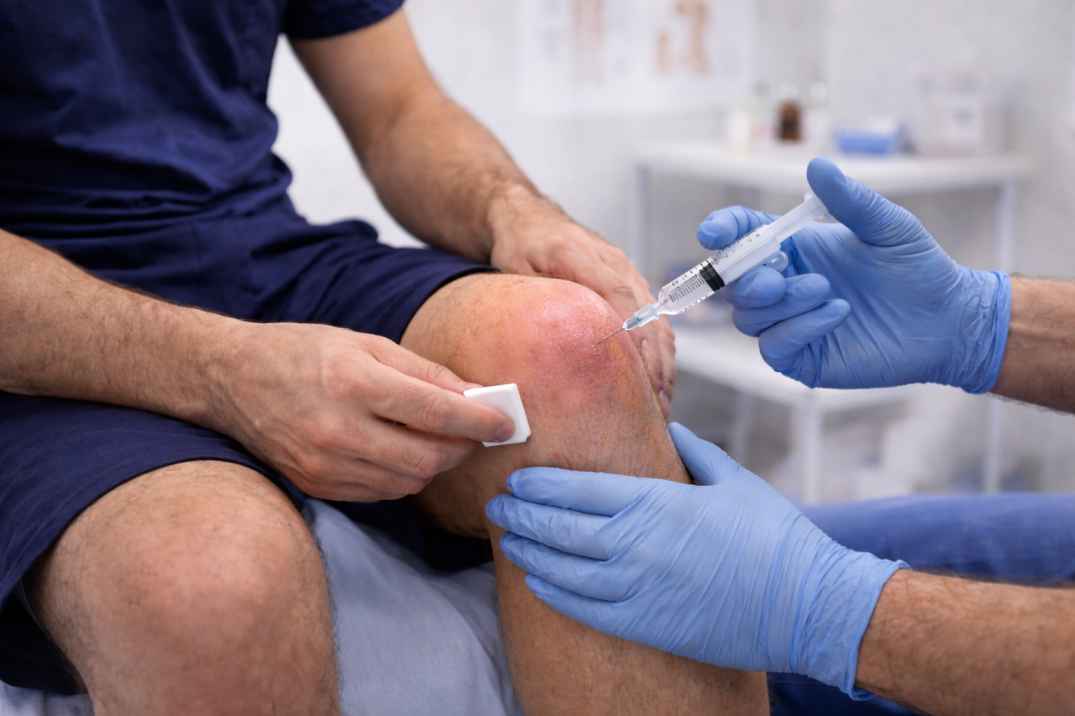
Treatment is planned around the knee injury, symptoms and activity needs.
A knee arthroscopy consultation begins with understanding how the injury happened, where the pain occurs, whether swelling or instability is present and how the knee is affecting everyday movement. Physical examination and imaging such as an MRI may be recommended when they can provide useful information about the suspected injury.
Depending on the diagnosis, treatment may include physiotherapy, activity modification, medication, rehabilitation or arthroscopic surgery. Knee arthroscopy is not automatically required for every patient with knee pain or an MRI finding. The potential benefits and limitations of surgery should be discussed with an orthopedic specialist. For general patient information, you can read the NHS information about arthroscopy .
Meniscus Injury Treatment
A torn meniscus can cause pain, swelling, clicking, catching or difficulty moving the knee. Depending on the location and type of tear, symptoms and activity requirements, treatment may involve rehabilitation or arthroscopic treatment. When surgery is appropriate, preserving healthy meniscal tissue is an important consideration.
ACL & Knee Ligament Injuries
ACL injuries and other knee ligament injuries can occur during twisting, pivoting, sudden stopping or sports activity. Some patients may be treated with rehabilitation, while selected patients with instability or associated injuries may be considered for surgical treatment.
Knee arthroscopy is one part of modern orthopedic care, not a solution for every type of knee pain. Depending on the diagnosis, treatment may include physiotherapy, rehabilitation, medication, activity modification or surgery. When arthroscopic knee surgery is clinically appropriate, the procedure and expected recovery are explained according to the patient's specific condition. Following surgery, rehabilitation may focus on restoring movement, controlling swelling, rebuilding strength and gradually returning to normal activity or sport.