
NEUROSCIENCES · BRAIN, SPINE & NERVE CARE

Advanced Neurosciences Care for Brain, Spine & Nerve Disorders

Neurological symptoms can affect movement, memory, balance, speech, sensation and everyday independence. At Nishat Hospital, neurosciences care brings together neurological evaluation, brain and spine care, neurosurgical expertise and rehabilitation planning to help patients understand the cause of their symptoms and choose an appropriate treatment path.
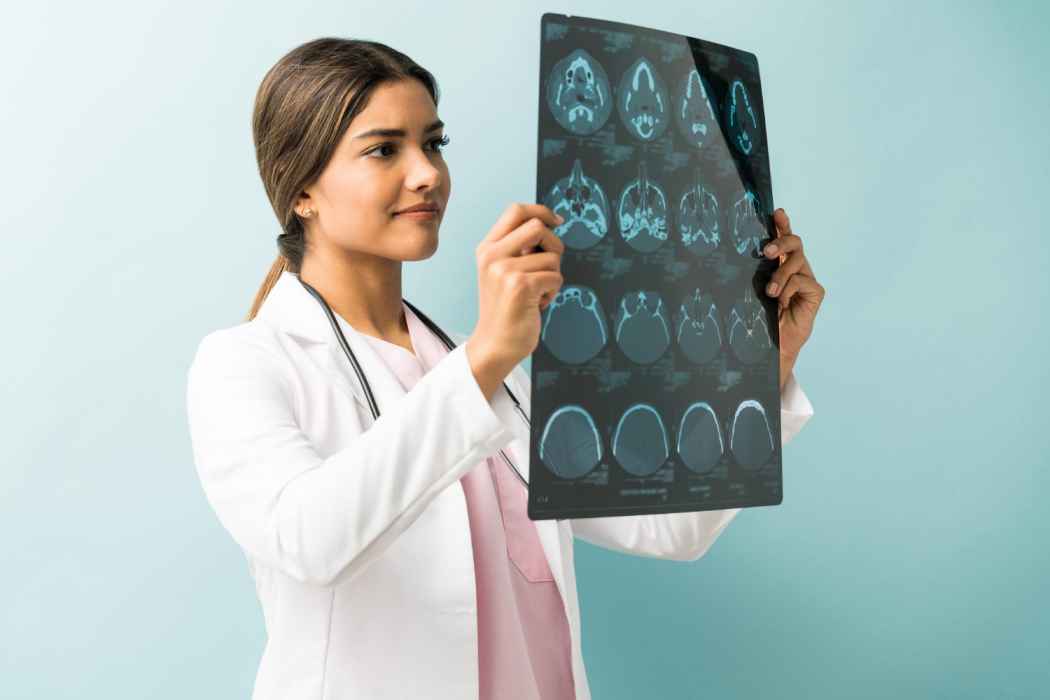
Neurologist reviewing brain imaging for neurological diagnosis at Nishat Hospital Lucknow
Comprehensive brain, spine and nerve care Specialist assessment helps identify neurological problems and guide medical, surgical or rehabilitation care.

Neurological symptoms deserve careful evaluation.

Headaches, dizziness, weakness, numbness, seizures, balance problems, memory changes, tremors and persistent nerve pain can have many possible causes. A symptom does not automatically mean a serious neurological disease, but persistent, recurrent or changing symptoms should not be ignored. A specialist can review the medical history, perform a neurological examination and recommend appropriate tests before deciding on treatment.

A coordinated approach to brain, spine and nervous system health

The nervous system connects the brain and spinal cord with the rest of the body, so neurological conditions can present in very different ways. Some people notice pain or tingling, while others experience changes in movement, coordination, speech, memory, vision or consciousness. The purpose of a neuroscience consultation is to look at the complete picture rather than treating one symptom in isolation.

Nishat Hospital's neurosciences service includes neurology care, neurosurgery and pain-focused care. Depending on the diagnosis, management may involve medicines, monitoring, rehabilitation, lifestyle guidance, minimally invasive procedures or surgery when clinically appropriate.

01

Neurology & neurological evaluation

Assessment of headaches, migraine, seizures, dizziness, weakness, numbness, tremors, movement problems, memory concerns and other symptoms affecting the brain or peripheral nerves.

02

Brain and spine care

Evaluation and treatment planning for stroke, brain conditions, spinal disorders, nerve compression, traumatic neurological injuries and other problems affecting function or sensation.

03

Neurosurgery & rehabilitation

When a surgical opinion is needed, neurosurgical assessment can help determine whether an operation is appropriate. Recovery may also include rehabilitation, follow-up and symptom management.

✓

Conditions commonly assessed through neurosciences care

Neurological care may be relevant for a broad range of conditions. Nishat Hospital's current neurosciences service describes care for stroke, epilepsy, brain tumors, spinal disorders, Parkinson's disease, neuropathy, headaches, movement disorders and traumatic brain injury. The appropriate specialist and treatment depend on the individual's symptoms, examination and diagnostic findings.

  • Stroke and cerebrovascular conditions
  • Epilepsy and seizure disorders
  • Migraine and persistent headache disorders
  • Parkinson's disease and movement disorders
  • Peripheral neuropathy and nerve-related symptoms
  • Brain and spinal conditions
  • Nerve compression and sciatica-related symptoms
  • Traumatic brain and spinal cord injuries
COMPREHENSIVE NEUROSCIENCES CARE

Comprehensive Neuroscience Center for Brain, Spine & Nerve Disorders

Neurosciences care focuses on the diagnosis and treatment of conditions affecting the brain, spinal cord, nerves and related functions. A specialist evaluation helps identify the underlying cause of symptoms and determine whether medical treatment, rehabilitation, procedures or surgery may be appropriate.
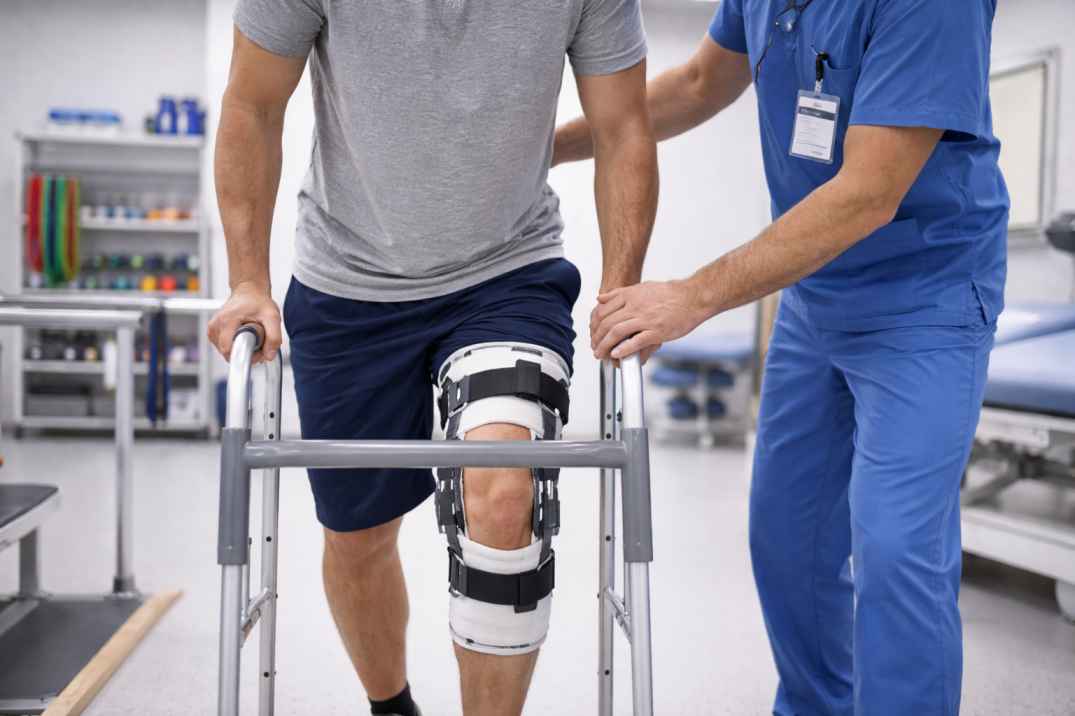
Comprehensive neuroscience care for brain spine and nerve disorders at Nishat Hospital Lucknow
Specialist care for brain, spine and nerve conditions. Detailed neurological assessment helps guide diagnosis, treatment and rehabilitation according to each patient's individual needs.
01

Neurological Assessment

The specialist reviews your symptoms, medical history and neurological examination. Depending on the symptoms, investigations such as MRI, CT, EEG or blood tests may be recommended.

02

Identifying the Underlying Condition

Neurological symptoms can have different causes. The clinical evaluation helps identify conditions involving the brain, spinal cord, peripheral nerves, muscles, movement or balance.

03

Personalized Treatment Planning

Treatment is selected according to the diagnosis and individual circumstances. Depending on the condition, care may include medicines, rehabilitation, pain management, monitoring or specialist procedures.

04

Neurosurgical Care When Required

Some brain, spine and nerve conditions may require a neurosurgical opinion. When surgery is considered, the specialist evaluates whether the potential benefits and risks are appropriate for the patient.

What Does Comprehensive Neurosciences Care Include?

Neurosciences care covers a broad range of neurological and neurosurgical conditions. The treatment pathway depends on the symptoms, diagnosis, investigation results and individual health requirements.

✓

Assessment and management of headaches, migraine and neurological pain after appropriate clinical evaluation.

✓

Evaluation and treatment planning for stroke, seizures and epilepsy, including appropriate neurological investigations.

✓

Care for selected spine, nerve compression and neuropathy-related conditions affecting movement or sensation.

✓

Specialist management of movement disorders, Parkinson's disease and other neurological conditions according to the diagnosis.

PERSONALIZED NEUROSCIENCES CARE

Treatment is planned around your neurological needs.

Neurological conditions can affect movement, memory, speech, balance, sensation, strength and everyday independence. Some patients may need medicines and regular monitoring, while others may benefit from physiotherapy, rehabilitation, pain management or neurosurgical treatment. A coordinated care plan helps patients and families understand the diagnosis, treatment options and follow-up requirements while supporting recovery and long-term neurological health.

UNDERSTANDING NEUROSCIENCES CARE

When Should You Consider a Neurosciences Consultation?

A neurological consultation can help when symptoms involving the brain, spine or nerves are persistent, recurrent or affecting everyday activities. At Nishat Hospital, specialist assessment focuses on understanding the cause of symptoms before an appropriate treatment plan is recommended.

01

Neurological symptoms are affecting daily life

Persistent headaches, dizziness, weakness, numbness, balance problems, tremors, memory changes or difficulty with movement can interfere with work, sleep and normal activities and may require specialist evaluation.

02

Symptoms continue or keep returning

When symptoms continue despite initial treatment or repeatedly return, a detailed neurological assessment may help identify whether the underlying problem involves the brain, spinal cord, peripheral nerves or another part of the nervous system.

03

Your symptoms may require specialist diagnosis

Neurological conditions can present with similar symptoms. A specialist may review your medical history, neurological examination and appropriate investigations such as MRI, CT, EEG or blood tests before deciding on treatment.

Symptoms That May Need a Neurological Assessment

No single symptom automatically indicates a neurological disorder. What matters is the pattern, duration, severity and effect on your daily life. A specialist can help determine whether further evaluation is appropriate.

✓

Persistent or recurrent headaches and migraine symptoms.

✓

Numbness, tingling, burning sensations or unexplained weakness.

✓

Tremors, balance difficulties, dizziness or changes in movement.

✓

Seizures, memory changes, speech difficulties or unusual changes in consciousness.

NISHAT HOSPITAL · NEUROSCIENCES

Comprehensive Neuroscience Center for Brain, Spine & Nerve Disorders

Neurosciences brings together specialist care for conditions affecting the brain, spinal cord and nervous system. At Nishat Hospital, evaluation begins with understanding the patient's symptoms and medical history, followed by appropriate examination, investigations and treatment planning.
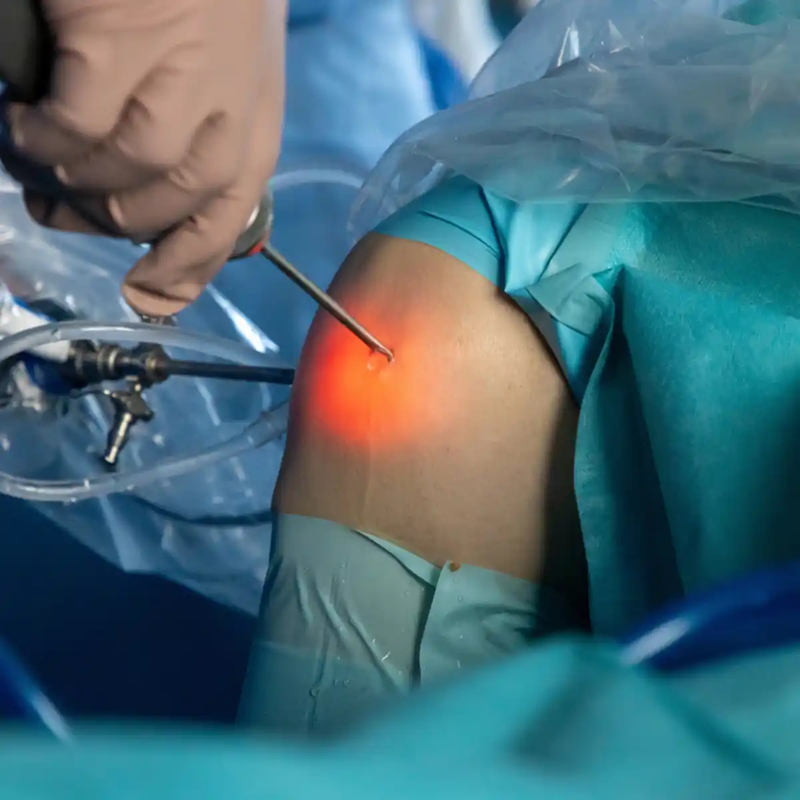
Neurosciences specialist care for brain spine and nerve disorders at Nishat Hospital Lucknow
Specialist evaluation helps identify neurological problems. Medical, surgical and rehabilitation options may be considered according to the diagnosis and individual patient needs.
HOW NEUROLOGICAL CARE WORKS

Diagnosis comes before choosing the right treatment.

Neurological symptoms can have many different causes. A careful assessment helps the specialist understand whether symptoms are related to the brain, spinal cord, nerves, movement system or another condition. Treatment can then be planned around the individual rather than the symptom alone.

01

Neurological Evaluation

The specialist reviews symptoms, medical history and neurological function, including strength, sensation, reflexes, coordination, movement and balance.

02

Diagnostic Investigations

Depending on the symptoms, appropriate investigations such as MRI, CT, EEG or laboratory tests may be recommended to support the diagnosis.

Brain, Spine or Nerve Care?

The type of neurological care required depends on the symptoms, diagnosis and structures involved. Specialist assessment helps determine the most appropriate pathway.

BRAIN & NEUROLOGY

Medical care for neurological conditions

Neurology focuses on conditions affecting the brain and nervous system, including selected headache disorders, epilepsy, stroke, movement disorders, neuropathy and other neurological conditions.

SPINE & NERVE

Assessment of spinal and nerve-related problems

Some spinal conditions can affect nearby nerves and cause pain, numbness, tingling or weakness. Assessment helps determine whether medical treatment, rehabilitation, pain management or a neurosurgical opinion is appropriate.

The goal is clearer diagnosis and appropriate, personalized care.

Neurological treatment is not the same for every patient. Depending on the condition, care may involve medicines, monitoring, physiotherapy, rehabilitation, pain management, specialist procedures or neurosurgical treatment. At Nishat Hospital, the treatment approach is guided by the patient's symptoms, examination, investigation findings and overall health.


Subspecialities

Neurology

Advanced neurology care at Nishat Hospital diagnosing and treating complex brain and nerve disorders.

Neurosurgery

Precision neurosurgery care ensuring advanced treatment for brain, spine, and nerve disorders.

pain medicine

Comprehensive pain medicine care relieving chronic pain and improving patient comfort and quality.

More

Treatments

NEUROSCIENCES CARE

Neurosciences FAQs

Find clear answers to common questions about neurological symptoms, brain and nerve disorders, diagnosis, treatment options, recovery and specialist care at Nishat Hospital.

About Neurosciences
Neurosciences care focuses on conditions involving the brain, spinal cord, nerves and related structures. Depending on the symptoms and diagnosis, care may involve neurological evaluation, medicines, rehabilitation, pain management or surgical assessment.
Consider a specialist consultation when symptoms such as persistent headaches, numbness, weakness, dizziness, seizures, tremors, memory changes or balance problems continue, return frequently or interfere with everyday activities.
No. Neurological conditions can affect children, young adults and older people. The symptoms, causes and treatment approach vary according to age and the individual's medical history.
Neurology primarily involves the evaluation and medical management of disorders affecting the nervous system. Neurosurgery focuses on conditions that may require surgical treatment involving the brain, spine or nerves. Some patients may need assessment by both specialties.
Symptoms that may need evaluation include recurring headaches, unexplained dizziness, numbness or tingling, muscle weakness, tremors, seizures, changes in memory or speech, balance difficulties and persistent nerve-related pain.
Headaches can have many causes, including migraine and other neurological or non-neurological conditions. Persistent, severe, unusual or changing headaches should be discussed with a qualified medical professional for appropriate assessment.
Movement and balance difficulties can occur with a range of neurological conditions. Tremors, weakness, dizziness, coordination problems and changes in walking pattern may have different causes, so assessment is important before deciding on treatment.
Persistent or recurring numbness and tingling can have several causes, including nerve compression or other neurological problems. A clinical evaluation can help identify the likely source and determine whether further testing is needed.
Diagnosis usually begins with a detailed medical history and neurological examination. Depending on the symptoms, a doctor may recommend imaging, blood tests or specialised investigations to better understand the condition.
Not everyone needs an MRI or CT scan. The decision depends on your symptoms, examination findings and medical history. Your specialist can recommend the most appropriate investigation when imaging is necessary.
A neurological examination assesses functions such as strength, sensation, reflexes, coordination, balance, movement, speech and certain aspects of memory. It helps the specialist understand how the nervous system may be functioning.
In selected cases, nerve conduction studies and electromyography may help assess how nerves and muscles are functioning. Whether these tests are appropriate depends on the symptoms and clinical examination.
Treatment depends on the underlying condition. Depending on the diagnosis, care may include medicines, lifestyle measures, physiotherapy, rehabilitation, pain management or referral for a surgical opinion when appropriate.
No. Many neurological conditions are managed without surgery. Surgical treatment is considered only for selected conditions when clinical findings and other investigations indicate that it may be appropriate.
Physiotherapy and rehabilitation can be useful for some people with neurological conditions, particularly when movement, strength, balance or functional ability is affected. The rehabilitation plan should be based on the individual's condition and goals.
Nerve-related pain can have different causes and may require a combination of approaches. Treatment is guided by the underlying condition and may include medicines, rehabilitation, physical measures or specialist pain management.
Recovery varies considerably. It depends on the diagnosis, severity of symptoms, treatment, overall health and response to rehabilitation. Some conditions improve gradually, while others require longer-term management.
Rehabilitation can be an important part of care when a neurological condition affects movement, balance, strength, speech or daily activities. The type and duration of support depend on the individual's needs.
Some neurological conditions can have recurring or fluctuating symptoms. If symptoms return, change or become more severe, follow-up with your treating specialist can help determine whether further assessment is needed.
Following the treatment plan, attending recommended follow-up visits, taking medicines as prescribed and participating in appropriate rehabilitation can support recovery. Your specialist can also advise on activity, sleep and other lifestyle factors relevant to your condition.
Consultation and treatment costs can vary depending on the specialist visit, investigations and the care required. A personalised estimate is more useful than quoting one fixed amount for every patient.
You can contact Nishat Hospital to ask about availability and schedule a consultation for neurological symptoms or other concerns involving the brain, spine and nerves.
Bring previous medical reports, imaging scans, prescriptions, medication details and a brief record of your symptoms if available. Information about when the symptoms started and how they have changed can also help during the consultation.
Neurosciences care can involve evaluation of conditions affecting the brain, spinal cord and peripheral nerves. Depending on the patient's needs, care may involve neurological assessment, medical management, rehabilitation or specialist referral.
When a patient's condition requires a different level of specialist assessment, neurological and neurosurgical evaluation may form part of the care pathway. The appropriate specialty depends on the symptoms, diagnosis and treatment needs.
Patients can seek specialist evaluation for neurological symptoms and receive care planned around their individual condition. The focus is on understanding the underlying problem and choosing an appropriate care pathway rather than using the same treatment for every patient.
Scroll to Top