



Knee Replacement Surgery:
When Is It the Right Choice?
If knee pain is making you think twice before climbing stairs, cutting short your walks or keeping you awake at night, it may be time to understand what is actually happening inside the joint.
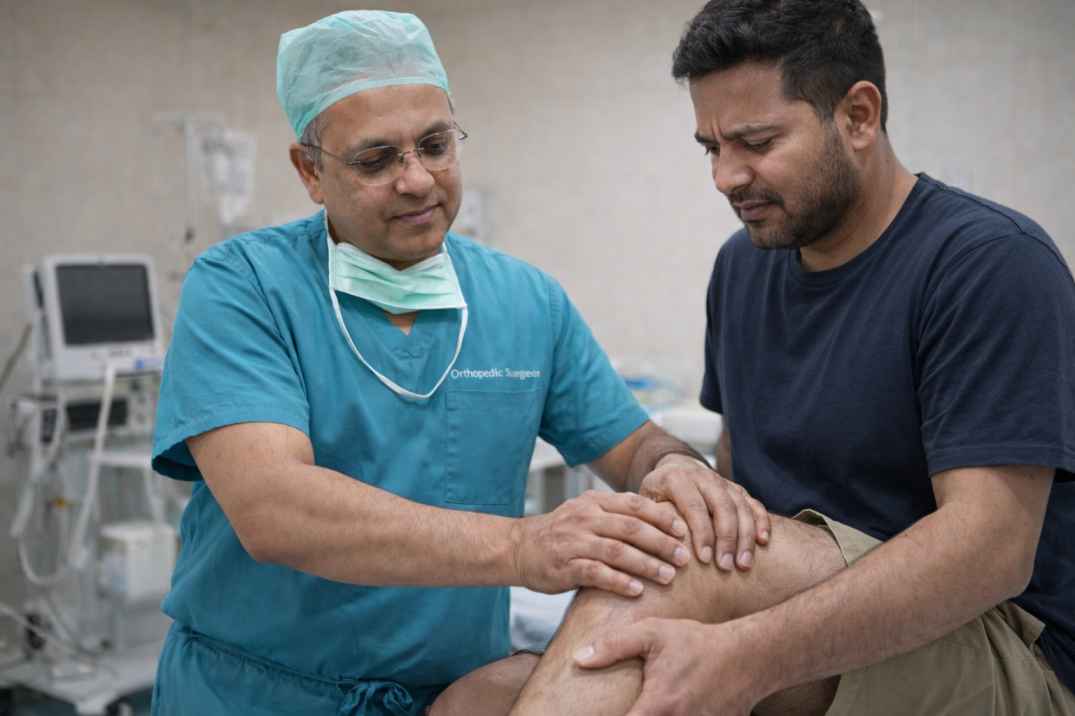
The questions that matter are about your life, not just your X-ray.
How much is pain affecting your normal day?
Think about walking, stairs, sleep, work and the ordinary activities you would normally do without thinking about your knee.
Are you losing movement or avoiding activities?
Increasing stiffness or gradually giving up activities you once enjoyed can be as important as the pain itself.
Have simpler treatments been given a fair chance?
Surgery is usually considered after appropriate non-surgical treatments are no longer providing sufficient relief.
The aim is not simply to replace a joint.
For the right patient, total knee replacement is intended to reduce persistent pain and help you return to everyday activities such as walking, climbing stairs and moving around with greater comfort and confidence.
How Do I Know If I Actually Need Knee Replacement?
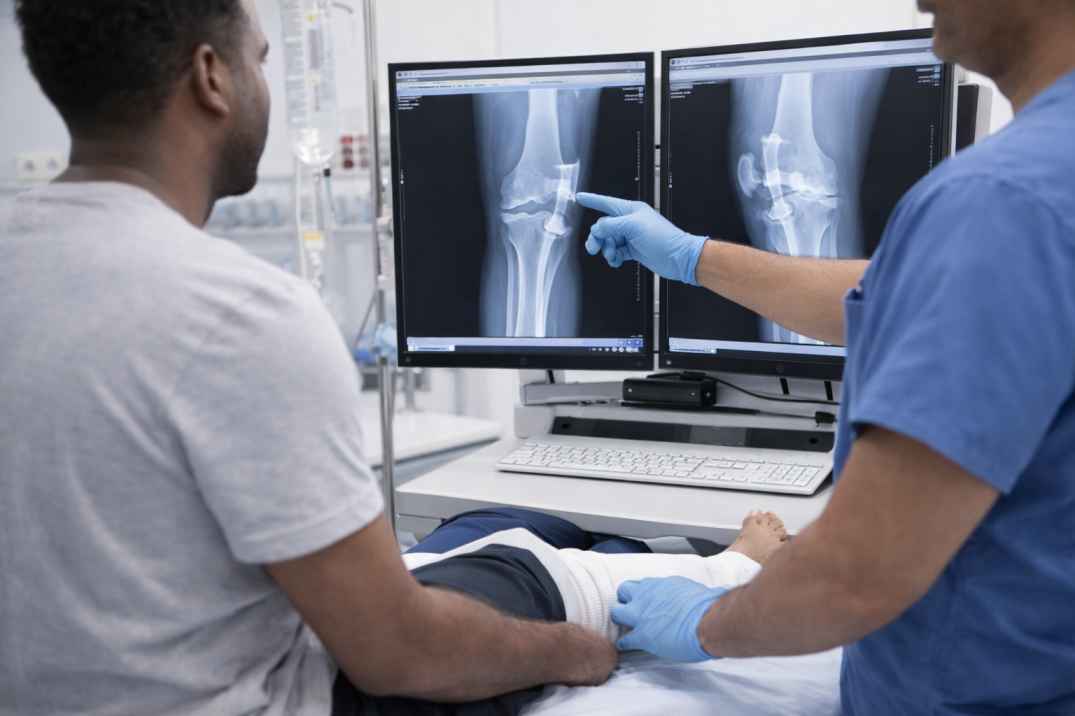
An X-ray showing arthritis does not automatically mean you need a knee replacement. What matters more is how much the knee is affecting your movement, comfort and everyday life.
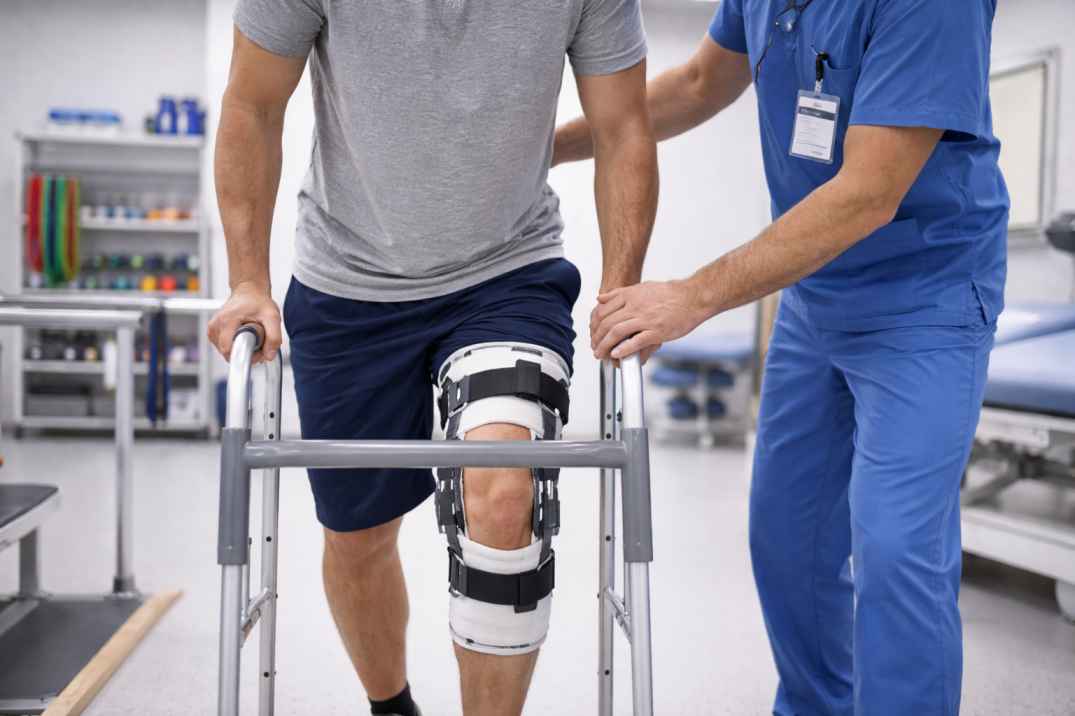
How much is the knee affecting your normal day?
If pain is present on most days, walking is becoming more difficult, stairs are turning into a struggle, or your sleep is being disturbed because of the knee, it may be time to discuss knee replacement surgery more seriously.
Are the treatments that used to help becoming less effective?
Medicines, physiotherapy, activity modification and injections can all be useful. But if the relief is becoming shorter or less effective, the joint may have reached a stage where another approach needs to be considered.
What does the examination actually show?
A proper assessment looks at how much movement has been lost, whether the knee has become stiff or unstable, the severity of the pain and the amount of joint damage visible on imaging.
Signs that may make a surgical assessment worth discussing
None of these signs automatically means you need surgery, but together they can help your orthopaedic surgeon understand how seriously the knee is affecting you.
Knee pain is present on most days rather than only occasionally.
Walking, climbing stairs or standing for longer periods has become noticeably harder.
Stiffness, reduced movement or instability is limiting what you can comfortably do.
Physiotherapy, medicines or injections are no longer providing enough relief.
Three things need to come together.
The final decision usually depends on the severity of your symptoms, the amount of damage inside the joint and whether knee replacement treatment is likely to make a meaningful difference to your mobility, comfort and day-to-day life. In many patients, advanced osteoarthritis and joint pain are among the main reasons surgery is considered.
When to Consider Knee Replacement
Knee replacement is usually considered when pain and stiffness have started to change the way you live your day, rather than simply because an X-ray shows joint damage.
Everyday activities are becoming harder
Walking may become uncomfortable, stairs may feel increasingly difficult, and even standing for longer periods or sleeping through the night can become a problem.
Non-surgical treatments are no longer helping enough
Medicines, physiotherapy, activity changes and injections may provide useful relief at first. But when their effect becomes limited or short-lived, it may be time to discuss total knee replacement surgery.
The whole picture points towards surgery
The decision considers your symptoms, movement, examination findings, X-rays, overall health and, most importantly, how much the knee is limiting your life. In many patients, this is related to advanced arthritis or significant joint damage.
What may prompt a discussion about surgery?
No single symptom decides whether you need a knee replacement. What matters is how these problems come together and affect your daily life.
Persistent pain during normal daily activities.
Increasing stiffness or loss of comfortable movement.
Difficulty walking, climbing stairs or standing for longer.
Medicines, physiotherapy or injections no longer provide enough relief.
What Is Knee Replacement Surgery?
One of the biggest misconceptions about knee replacement surgery is that the entire knee is removed and replaced. In reality, the operation is much more precise than that.
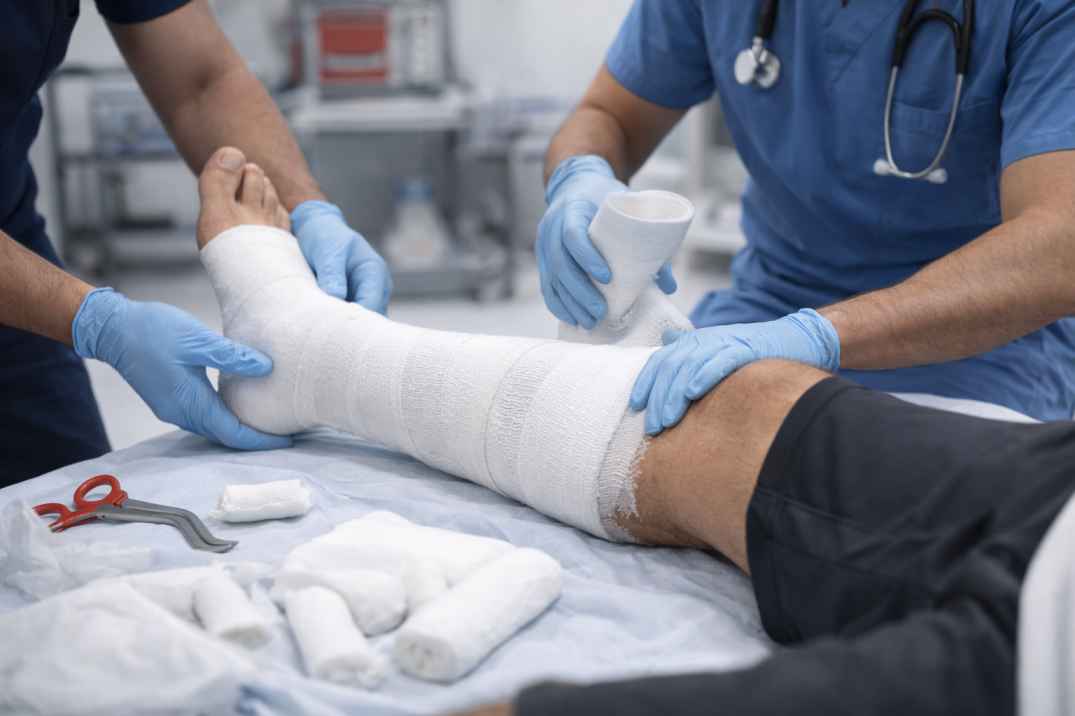
The whole knee is not removed.
The damaged surfaces of the joint are carefully prepared and resurfaced using metal and medical-grade plastic components designed to move smoothly against each other.
Thigh bone
The damaged surface at the lower end of the femur is prepared and fitted with a new joint surface.
The aim is to create a smoother-moving joint, reduce long-standing pain and make everyday movements easier again. The operation recommended for you will depend on the extent of joint damage, your symptoms, examination findings and imaging.
Preparing for Knee Replacement Surgery
Good preparation before knee replacement surgery can make the operation and the first few days of recovery feel much more manageable.
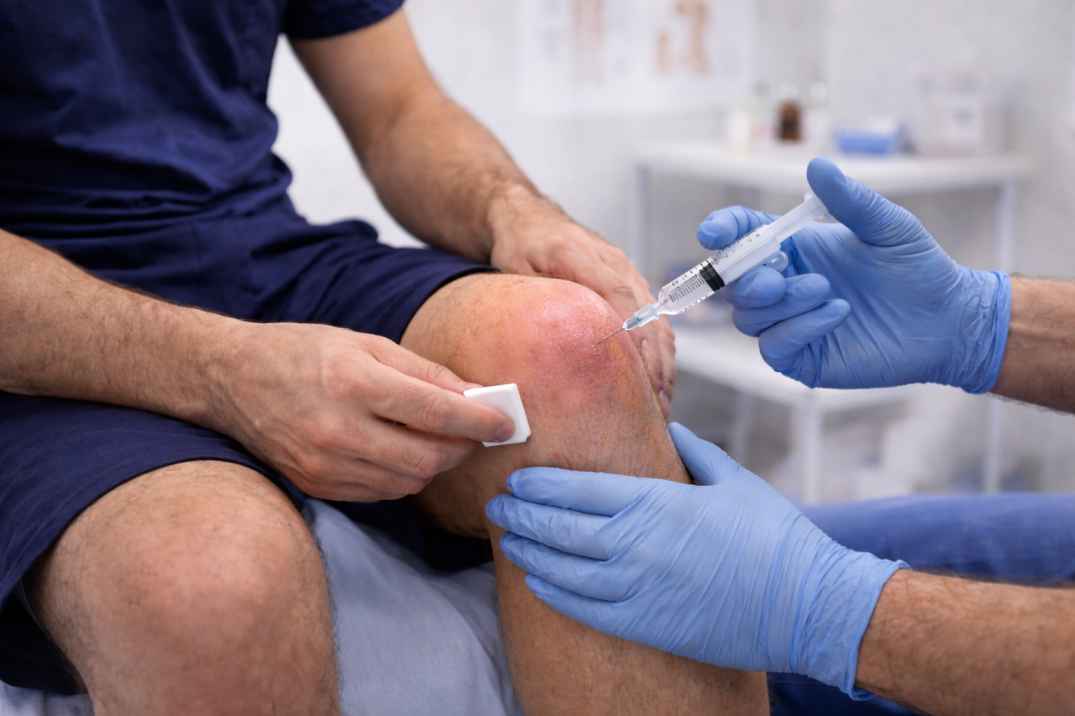
Your knee and general health are assessed
This usually includes a physical examination, review of your X-rays or scans, blood tests and a basic fitness assessment to make sure you are ready for the procedure.
Your medical history and medicines are reviewed
You may be asked about diabetes, high blood pressure, heart or lung problems, previous operations, allergies and the medicines you take regularly. Some medicines may need to be adjusted, but only on medical advice.
Your home can be prepared in advance
Keep everyday items within easy reach, remove obstacles that could make walking difficult and make sure the main areas of your home are easy to move through safely.
Arrange a little help for the first few days
Support with meals, shopping or moving around the house can make the early recovery period much easier.
Recovery After Knee Replacement
Recovery begins earlier than many patients expect. The first goal is not to wait for everything to feel normal, but to start moving safely and gradually rebuild strength and confidence.
Getting up and moving
In many cases, you are encouraged to stand and begin walking with support soon after the operation, with the care team guiding you.
Controlling pain and swelling
Early recovery focuses on keeping discomfort manageable while protecting the knee and allowing movement to begin safely.
Improving bend, strength and walking
Physiotherapy helps improve knee movement, rebuild the muscles around the joint and gradually make walking feel more natural.
Returning to everyday activities
Stairs, getting in and out of a car, driving, work and normal household activities gradually become part of rehabilitation.
Age, general health, muscle strength, the condition of the knee before surgery and how consistently rehabilitation is followed can all affect the pace of progress. Your surgeon and physiotherapist will guide you on when it is safe to move to each stage.
Knee Replacement Surgery Cost in Lucknow
The cost of knee replacement surgery can vary from one patient to another because no two treatment plans are exactly the same.
This is why a fixed online price can sometimes be misleading. A more useful estimate comes after the knee has been examined and the appropriate treatment plan has been decided.
Get a clearer estimate for your knee.
Book an orthopaedic consultation at Nishat Hospital to discuss the condition of your knee, the procedure that may be suitable and the expected cost based on your individual treatment plan.