Temporomandibular Disorders
Expert TMJ Disorder Treatment for Healthy Jaw Function
Expert TMJ treatment relieves jaw pain, restores bite function, improves comfort, and supports long-term oral health.
Accurate Diagnosis and Personalized TMJ Treatment Plans
Advanced Temporomandibular Disorder Care for Lasting Relief
At Nishat Hospital, we provide advanced care for Temporomandibular Disorders (TMJ/TMD) using comprehensive evaluations, digital diagnostics, and personalized treatment plans. Our specialists diagnose the underlying cause of jaw pain, clicking, locking, headaches, and bite dysfunction to deliver effective, evidence-based care.
From custom night guards and bite splints to non-surgical TMJ therapies, we focus on relieving pain, restoring healthy jaw function, and improving daily comfort. Our patient-centered approach promotes long-term relief, better oral function, and an improved quality of life.
Treatments
Orthodontic Treatment
Night Guard appliance
Comprehensive TMJ Care with Modern Dental Technology
Accurate TMJ Diagnosis
Comprehensive TMJ evaluation identifies jaw disorders, bite problems, pain sources, and guides personalized treatment planning effectively.
Personalized TMJ Therapy
Customized treatment relieves jaw pain, improves bite alignment, restores function, and supports long-term joint health naturally.
Long-Term Jaw Protection
Preventive TMJ care reduces joint stress, minimizes symptoms, protects teeth, and maintains healthy jaw movement daily.
Resources
Our Subspecialities
General Dentistry Medicine
Radiographs
Endodontics
Esthetic Dentistry
Oral Surgery
Orthodontics & TMJ
Prosthodontics
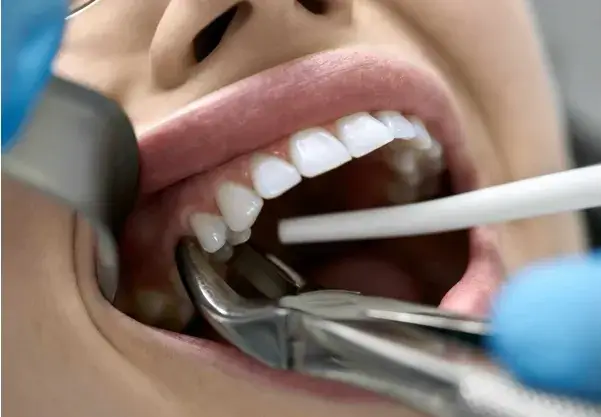
Temporomandibular Disorders at Nishat Hospital include treatment for temporomandibular joint disease, jaw joint dysfunction, TMD dental conditions, and TMJ and psoriatic arthritis, restoring comfort, function, and long-term oral health
Nishat Hospital offers expert diagnosis and personalized treatment for temporomandibular disorders, using advanced technology, skilled specialists, and comprehensive care to relieve pain, restore jaw function, and ensure long-term oral health.
FAQs
Understanding of TMD
TMD refers to conditions affecting jaw joints, muscles, and surrounding tissues, causing pain, restricted movement, clicking sounds, and difficulty in chewing or speaking comfortably.
TMD may result from jaw injury, teeth grinding, arthritis, stress, or bite misalignment, leading to joint strain, muscle tension, inflammation, and functional jaw disturbances over time.
Individuals with stress habits, teeth grinding, poor posture, jaw injuries, or arthritis are more prone to developing temporomandibular disorders affecting joint function and comfort.
Symptoms of TMD
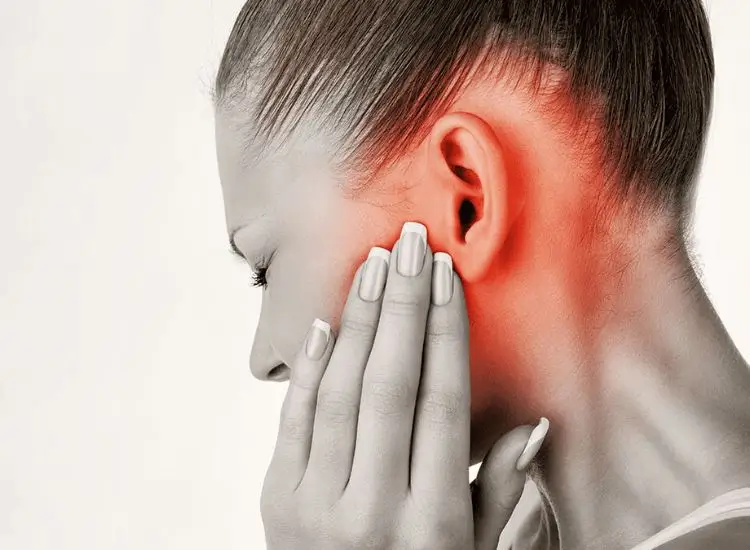
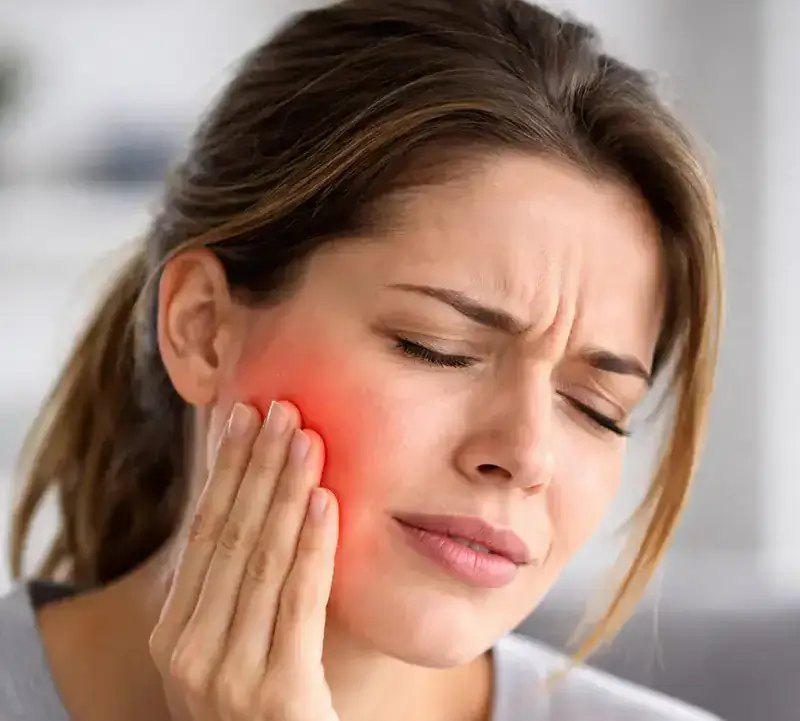
Symptoms include jaw pain, clicking sounds, headaches, earaches, facial discomfort, limited jaw movement, and difficulty chewing, often worsening with stress or prolonged jaw activity.
Yes, TMD can cause tension headaches due to strained jaw muscles, joint pressure, and nerve irritation, often radiating pain to temples, neck, and surrounding facial regions.
TMD may cause ear pain, fullness sensation, or ringing without infection, due to the proximity of jaw joints to ear structures affecting nerve and muscle coordination.
Diagnosis at Nishat Hospital
Diagnosis involves clinical examination, jaw movement assessment, bite analysis, imaging like X-rays or MRI, and evaluation of symptoms to determine underlying joint or muscle disorders.
Imaging tests like X-rays or MRI help assess joint damage, disc position, and bone structure, ensuring accurate diagnosis and effective treatment planning for complex TMD cases.
Nishat Hospital uses advanced diagnostic tools, experienced specialists, and comprehensive evaluation techniques to accurately identify TMD causes and design personalized treatment strategies.
Night Guards & Appliances
A night guard is a custom dental appliance worn during sleep to prevent teeth grinding, reduce jaw pressure, and protect temporomandibular joints from excessive stress.
Patients with teeth grinding, jaw clenching, or TMD symptoms benefit from night guards, as they reduce strain and protect teeth and joints during sleep.
Yes, oral appliances help reposition the jaw, reduce muscle tension, prevent grinding, and provide significant relief from pain and joint dysfunction when used consistently.
Advanced Treatment Options
Advanced treatment is needed when symptoms persist despite conservative care, involving procedures like injections, orthodontics, or minimally invasive therapies to restore joint function.
Injections like corticosteroids or Botox may reduce inflammation and muscle tension, helping relieve pain and improve jaw movement in severe or chronic TMD cases.
Orthodontic treatment corrects bite misalignment, reducing uneven pressure on jaw joints and improving overall function, contributing to long-term relief from temporomandibular disorders.
Surgical Treatment
Surgery is rarely required and considered only in severe cases when conservative treatments fail, involving joint repair, disc repositioning, or replacement procedures for functional restoration.
Procedures include arthrocentesis, arthroscopy, and open joint surgery, depending on severity, aiming to relieve pain, restore movement, and correct structural abnormalities effectively.
When performed by experienced specialists, TMD surgery is generally safe, with careful planning minimizing risks and improving outcomes for patients with severe joint dysfunction.
Advanced Therapies for Jaw Pain and TMJ Dysfunction
Our advanced TMJ therapies combine accurate diagnosis, customized treatment plans, bite splints, physiotherapy, and conservative care to relieve jaw pain, improve jaw movement, restore bite function, and reduce long-term discomfort. Personalized treatment helps manage TMJ dysfunction effectively while supporting lasting oral health and an improved quality of life.
These custom-made appliances help relax muscles, limit clenching habits, and support proper jaw positioning, resulting in pain relief, improved comfort, and better long-term jaw function.
- Protect teeth from grinding (bruxism) damage
- Reduce pressure on temporomandibular joints
- Prevent jaw clenching during sleep
- Help relax jaw muscles
- Improve jaw alignment and positioning
- Reduce pain and discomfort
Secure online access to your health information whenever you need it. Check appointments, communicate with your provider and pay bills online 24/7.
Appointment Booking & Referrals
Nishat Hospital offers a streamlined appointment booking and referral system, ensuring patients can easily schedule consultations with specialists. Our team assists with quick referrals, minimizing delays in accessing quality care and treatment