
apicoectomy
Expert Alveoloplasty Treatment for Jaw Bone Reshaping
Alveoloplasty for smoother jaw bone contours, improved denture support, and lasting oral health. Unlike apicoectomy near me, apical surgery, apico dental, apicoectomies dentistry, and root end surgery, alveoloplasty focuses on reshaping jaw bone for optimal dental function.
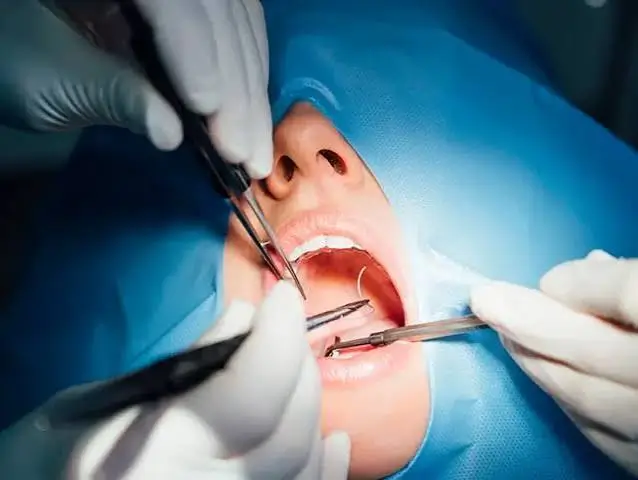
It starts with the right consultation
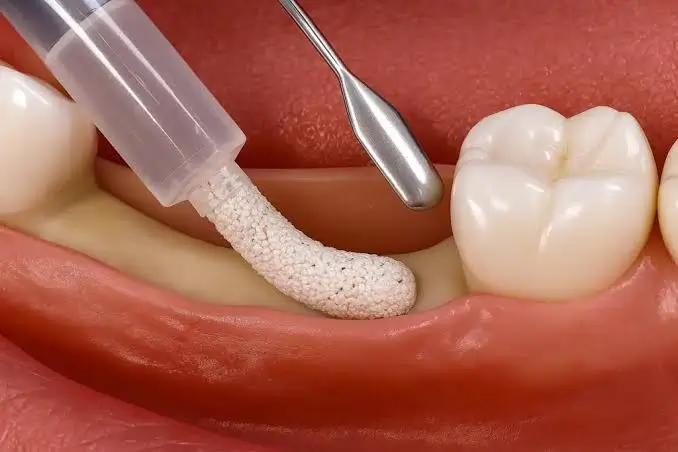
Advanced Alveoloplasty Surgery for Healthy Jaw Bone Contouring
Advanced alveoloplasty surgery precisely reshapes the jaw bone to create a smooth foundation for dentures, dental implants, and improved oral function. Our experienced oral surgeons deliver safe, personalized treatment with a strong focus on comfort and long-term results.
For patients searching for apicoectomy near me, apical surgery, or apico dental services, Nishat Hospital offers comprehensive oral surgery solutions using advanced techniques for healthy healing and lasting dental care
Treatments
Removal of Wisdom Teeth
Apicoectomy
Frenectomy
Advanced Oral Surgery Solutions for Healthy Teeth and Jaw Bone
Alveoloplasty for Smooth Jaw Bone Contouring
Alveoloplasty reshapes irregular jaw bone to improve denture stability, support dental implants, enhance oral function, and promote comfortable, long-lasting healing.
Expert Apico Dental Care with Advanced Surgical Techniques
Our apico dental specialists provide precise root-end surgery using modern technology, ensuring effective infection control, faster recovery, and improved long-term tooth preservation.
Specialized Apical Surgery for Complex Root Infections
Our apical surgery treats persistent root-end infections that remain after root canal treatment, helping save teeth with precise microsurgical techniques.
Resources
Our Subspecialities
General Dentistry Medicine
Radiographs
Endodontics
Esthetic Dentistry
Oral Surgery
Orthodontics & TMJ
Prosthodontics
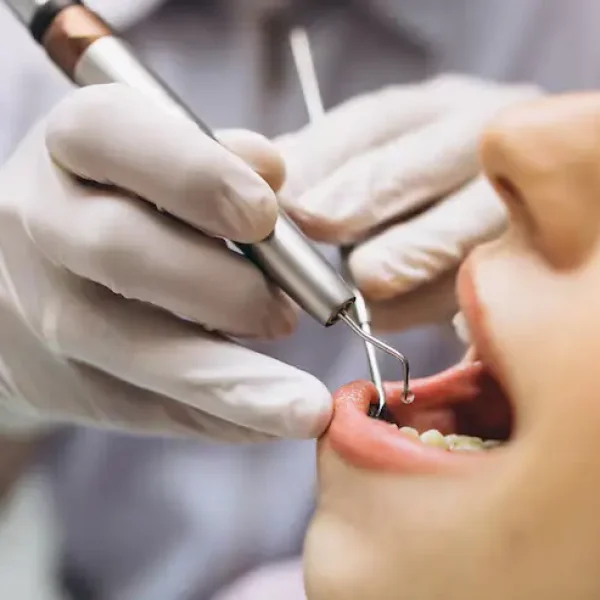
Apicoectomy near me, apical surgery, apico dental, apicoectomies dentistry, and root end surgery effectively eliminate persistent root infections, preserve natural teeth, reduce pain, promote faster healing, and prevent unnecessary tooth extraction.
At Nishat Hospital, we provide expert alveoloplasty, apicoectomy near me, apical surgery, apico dental, apicoectomies dentistry, and root end surgery using advanced technology, experienced oral surgeons, personalized care, and evidence-based treatment for lasting oral health
FAQs
Apicoectomy
Apicoectomy is a minor surgical procedure removing the infected root tip and surrounding tissue to preserve the natural tooth when root canal treatment fails.
It is recommended when infection persists after root canal therapy, preventing extraction and protecting surrounding bone and healthy oral structures.
Yes, it targets the root tip surgically after failed root canal therapy, addressing persistent infection inaccessible through conventional endodontic retreatment.
Symptoms Indicating Apicoectomy
Persistent pain, swelling, gum boils, or infection around previously treated teeth indicate need for apicoectomy evaluation and specialist consultation.
Yes, hidden canals or complex anatomy may cause reinfection, requiring apicoectomy to remove infected tissue and seal the root tip.
Not always. Some infections remain painless yet visible on X-rays, making regular dental examinations essential for early detection.
Procedure Details
The surgeon numbs area, lifts gum tissue, removes infected root tip and surrounding tissue, then seals root end before suturing.
Procedure usually takes thirty to ninety minutes depending on tooth location, complexity, and extent of infection involved.
No, it is outpatient procedure performed under local anesthesia, allowing patients to return home same day comfortably.
Technology and Equipment
Yes, Nishat Hospital utilizes digital imaging and precision surgical instruments ensuring accurate diagnosis, minimal tissue trauma, and improved healing outcomes.
Yes, surgical microscopes enhance visibility of root structures, increasing success rates and ensuring thorough removal of infected tissue.
With modern sterilization protocols and experienced specialists, apicoectomy at Nishat Hospital is safe, controlled, and predictable.
Pain and Anesthesia
Procedure is painless due to local anesthesia; mild discomfort afterward is manageable with prescribed medications and proper care.
Local anesthesia is commonly used, ensuring patient comfort and awareness without general sedation.
Numbness typically lasts two to four hours after procedure, depending on anesthetic type and patient sensitivity.
Benefits of Apicoectomy
It preserves natural tooth, eliminates infection, prevents extraction, restores function, and protects surrounding bone and oral health.
Yes, apicoectomy aims to save tooth structure and maintain natural bite alignment and chewing efficiency.
Yes, removing infection prevents spread to adjacent teeth and tissues, supporting overall dental stability.
Advanced Alveoloplasty for Strong Jaw Bone and Better Denture Support
Alveoloplasty is a specialized oral surgery that reshapes uneven jaw bone to create a smooth foundation for dentures and dental implants. It improves comfort, chewing efficiency, healing, and long-term oral function using precise surgical techniques.
For patients seeking lasting restorative outcomes, our experienced oral surgeons provide personalized alveoloplasty treatment with advanced technology, ensuring safe procedures, faster recovery, and improved oral health in a comfortable clinical environment.
- Advanced jaw bone reshaping for improved oral health.
- Creates a smooth foundation for dentures and dental implants.
- Enhances denture stability, comfort, and long-term fit.
- Supports successful dental implant placement.
- Performed by experienced oral and maxillofacial surgeons.
Secure online access to your health information whenever you need it. Check appointments, communicate with your provider and pay bills online 24/7.
Appointment Booking & Referrals
Nishat Hospital offers a streamlined appointment booking and referral system, ensuring patients can easily schedule consultations with specialists. Our team assists with quick referrals, minimizing delays in accessing quality care and treatment