
Care Options
Care Options

Dedicated General Medicine Support
The Department of Physiotherapy at Nishat Hospital offers specialized inpatient and outpatient rehabilitation services. With expert therapists and advanced equipment, the team provides personalized care plans focused on pain relief, mobility restoration, and functional independence, ensuring seamless recovery for patients across orthopedic, neurological, and post-surgical conditions in a supportive environment.

Care Options
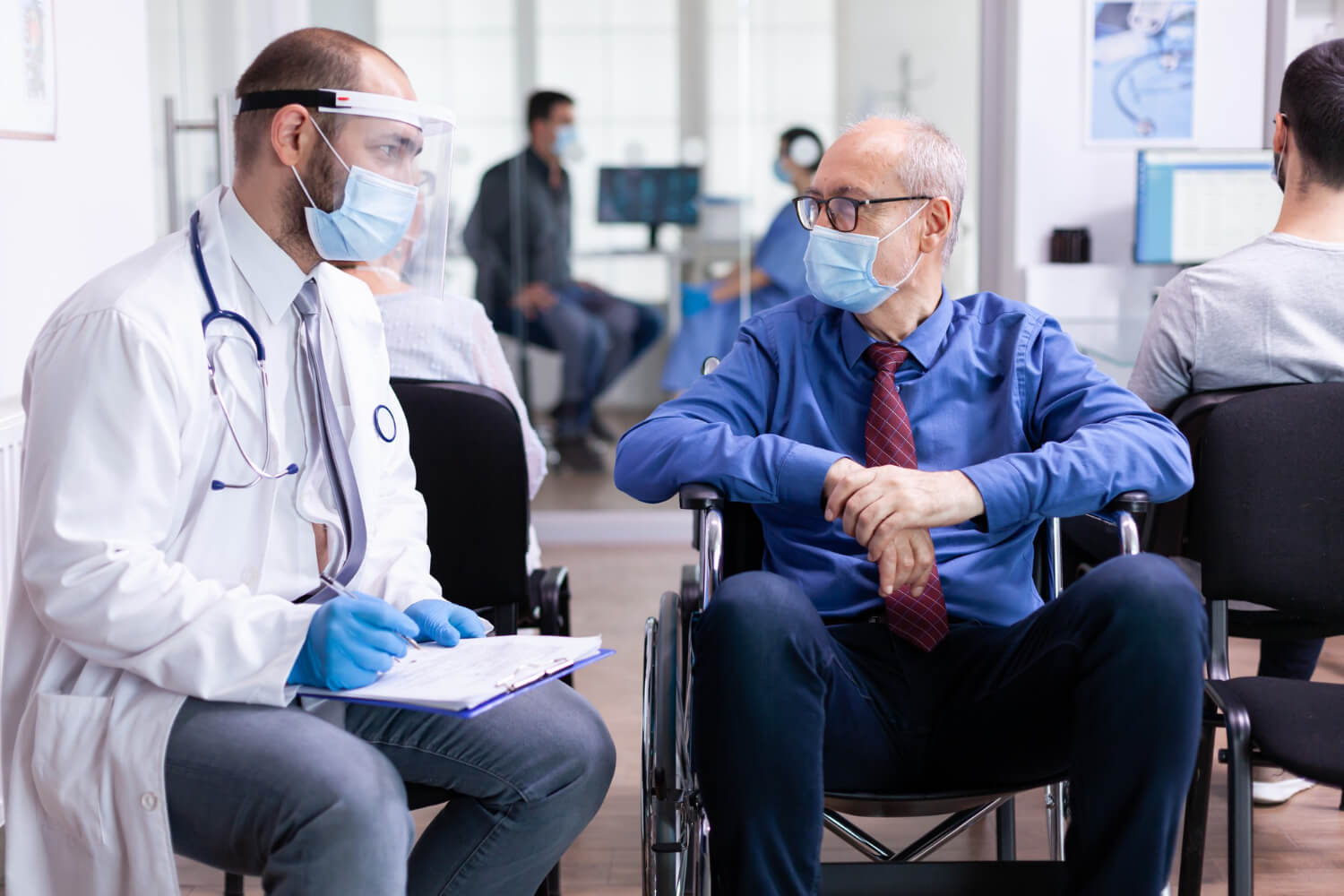
The Department of Medicine is at the heart of patient care. We specialize in diagnosing, treating, and preventing a wide range of adult health conditions—from common illnesses to complex, multi-system diseases.
Physiotherapy Support
The Department of Physiotherapy at Nishat Hospital offers specialized inpatient and outpatient rehabilitation services. With expert therapists and advanced equipment, the team provides personalized care plans focused on pain relief, mobility restoration, and functional independence, ensuring seamless recovery for patients across orthopedic, neurological, and post-surgical conditions in a supportive environment.
What We Do

Chronic Disease Management
Expert care for diabetes, hypertension, thyroid disorders, asthma, COPD, and heart disease
Infectious Diseases
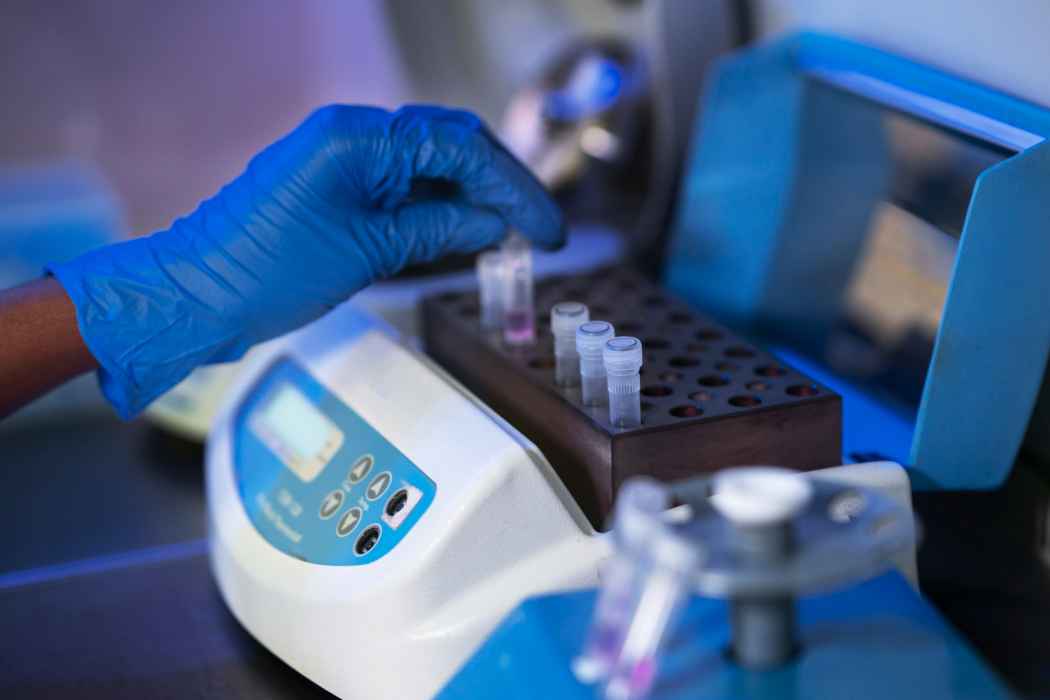
Accurate diagnosis and treatment for bacterial, viral, and tropical infections

Preventive Health
Routine checkups, screenings, and lifestyle guidance to keep you healthy.
Resources
Healthcare Treatments





Care FAQs
Primary Care Services
Primary care focuses on routine health needs such as checkups, preventive care, managing common illnesses, and coordinating referrals to specialists.
You should see a primary care provider for annual exams, ongoing health concerns, mild symptoms, or when you need guidance on managing chronic conditions.
Yes. Primary care providers often coordinate referrals to specialists when additional expertise or testing is needed.
Urgent Care
Urgent care typically treats non-life-threatening conditions such as minor injuries, infections, fevers, sprains, and cuts requiring stitches.
Urgent care is for immediate but non-emergency needs, while emergency rooms handle life-threatening conditions such as chest pain, severe trauma, or difficulty breathing.
Most urgent care centers accept walk-ins, though some may offer online check-in options.
Emergency Care
You should seek emergency care for severe symptoms such as chest pain, sudden weakness, difficulty breathing, heavy bleeding, or loss of consciousness.
Yes. Emergency departments are typically open 24 hours a day, 7 days a week.
If symptoms are severe or worsening rapidly, calling emergency services can provide immediate assistance and safe transportation.
Telehealth and Virtual Care
Telehealth allows patients to consult with healthcare providers remotely using video calls, phone calls, or secure messaging.
Telehealth is commonly used for minor illnesses, follow-up visits, medication reviews, mental health support, and general medical advice.
Yes. Reputable telehealth services use secure, encrypted platforms to protect patient privacy and health information.
Specialty Care
Specialty care involves medical providers who focus on specific areas such as cardiology, orthopedics, dermatology, or neurology.
This depends on your insurance plan and provider requirements. Some specialists require referrals, while others accept direct appointments.
A primary care provider can help determine the appropriate specialist based on your symptoms and health history.
Preventive and Wellness Care
Preventive care includes screenings, vaccinations, wellness exams, and lifestyle counseling to help prevent illness and detect issues early
Preventive care helps identify health risks early, improves long-term outcomes, and can reduce the need for more complex treatments later.
Most adults should have at least one preventive visit per year, though frequency may vary based on age, health status, and risk factors.
Appointment Booking & Referrals
Nishat Hospital offers a streamlined appointment booking and referral system, ensuring patients can easily schedule consultations with specialists. Our team assists with quick referrals, minimizing delays in accessing quality care and treatment