Parenteral Nutrition
Parenteral Nutrition
Regular catheter site inspection and sterile line care. Ensuring safe parenteral nutrition through strict asepsis, monitoring, and comprehensive infection control protocols.
Customized Parenteral Nutrition Formulation
Nutrition Referral & Registration
We receive and review physician referrals, verify clinical indications, assess patient eligibility, and complete accurate documentation to initiate parenteral nutrition safely and without delay.
Our coordinated registration process ensures timely communication between doctors, dietitians, pharmacists, and nursing teams, enabling prompt planning and seamless start of individualized nutrition therapy.
Patient Eligibility Evaluation
Each patient undergoes a detailed medical review to determine the need for parenteral nutrition, considering gastrointestinal function, diagnosis, nutritional status, and metabolic stability.
Our specialists assess laboratory results, clinical risks, and anticipated duration of therapy to ensure parenteral nutrition is appropriate, safe, and aligned with the overall treatment plan.
What We Do
Nutrition Referral & Registration
We receive nutrition referrals, verify physician orders, assess patient eligibility, and complete documentation promptly to initiate safe and timely parenteral nutrition therapy.
Personalized PN Formulation
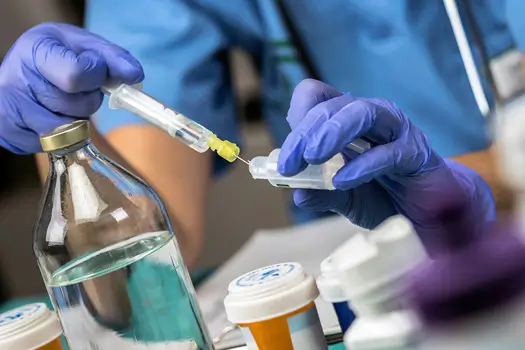
Customized formulations of carbohydrates, proteins, fats, electrolytes, vitamins, and trace elements are prepared based on patient condition and clinical requirements.
Controlled PN Administration
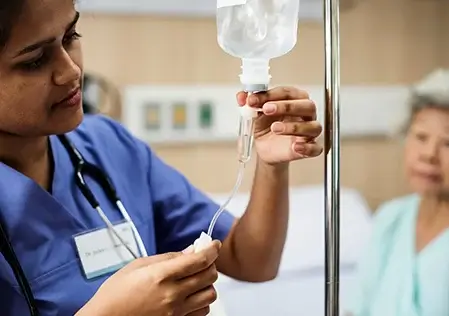
Parenteral nutrition is administered using infusion pumps under close supervision to maintain accurate dosage, infusion rates, and metabolic stability.
Resources
Therapeutic Nutrition
Parenteral Nutrition
Enteral Nutrition
Specialized Diets

We provide comprehensive parenteral nutrition for patients unable to eat or absorb nutrients, delivering personalized formulations, close monitoring, and safe transitions to support recovery, healing, and long-term nutritional well-being.
What sets us apart is our integrated nutrition approach. Our specialists coordinate with physicians, dietitians, pharmacists, and nurses to deliver personalized parenteral nutrition, continuous monitoring, and safe, compassionate, world-class nutritional care.
Medicine FAQs
Parenteral Nutrition
PN is intravenous nutrition delivering essential nutrients directly into the bloodstream when the digestive system cannot safely absorb or process food.
PN is advised for patients with intestinal failure, severe malabsorption, bowel obstruction, or post-surgical conditions preventing adequate oral or enteral nutrition.
PN may be short-term during acute illness or long-term for chronic gastrointestinal disorders, based on individual clinical needs and recovery progress.
Types of Parenteral Nutrition
Nishat Hospital provides Total Parenteral Nutrition (TPN) and Partial Parenteral Nutrition (PPN), tailored according to patient condition and nutritional requirements.
TPN supplies complete daily nutritional needs intravenously when no other feeding route is possible or sufficient.
PPN supplements nutrition when oral or enteral intake is inadequate but still partially functional.
Nutrient Composition
PN contains balanced carbohydrates, proteins, fats, electrolytes, vitamins, trace elements, and fluids customized for individual metabolic needs.
Yes, formulations are individualized based on age, diagnosis, lab values, nutritional status, and organ function.
PN composition is reviewed daily or regularly based on clinical progress and laboratory monitoring.
Administration & Access
PN is delivered through a central or peripheral intravenous line using sterile infusion techniques to ensure safety and accuracy.
Trained nurses and clinicians administer PN under strict protocols, ensuring correct dosage, infusion rate, and infection prevention.
Selected stable patients may receive home PN with proper training, monitoring, and medical supervision.
Safety & Infection Control
When properly managed, PN is safe, effective, and closely monitored to minimize complications and ensure optimal nutritional support.
Strict aseptic techniques, catheter care protocols, and regular monitoring significantly reduce infection risks.
Fever, catheter redness, metabolic imbalance, or abnormal labs are promptly evaluated to prevent serious complications.
Benefits of Parenteral Nutrition
PN prevents malnutrition, supports healing, improves strength, and maintains vital organ function when normal feeding is not possible.
Yes, adequate nutrition through PN promotes faster recovery, improved immunity, and better clinical outcomes.
By meeting nutritional needs, PN helps patients regain energy, stability, and comfort during illness.
Infection Prevention & Safety Protocols
Strict aseptic techniques are followed during catheter insertion, handling, and parenteral nutrition administration to minimize the risk of catheter-related infections.
Regular line care, staff compliance with hygiene protocols, and continuous monitoring for early signs of infection ensure patient safety and high-quality nutrition therapy.
Strict aseptic technique during catheter insertion and PN administration
Regular catheter site inspection and sterile line care
Adherence to hospital infection control and hand hygiene protocols
Continuous monitoring for early signs of infection
Prompt intervention and reporting of any safety concerns
Secure online access to your health information whenever you need it. Check appointments, communicate with your provider and pay bills online 24/7.
Appointment Booking & Referrals
Nishat Hospital offers a streamlined appointment booking and referral system, ensuring patients can easily schedule consultations with specialists. Our team assists with quick referrals, minimizing delays in accessing quality care and treatment