Enteral Nutrition
Enteral Nutrition
Personalized enteral nutrition ensures safe, effective therapeutic support for diverse patient needs.
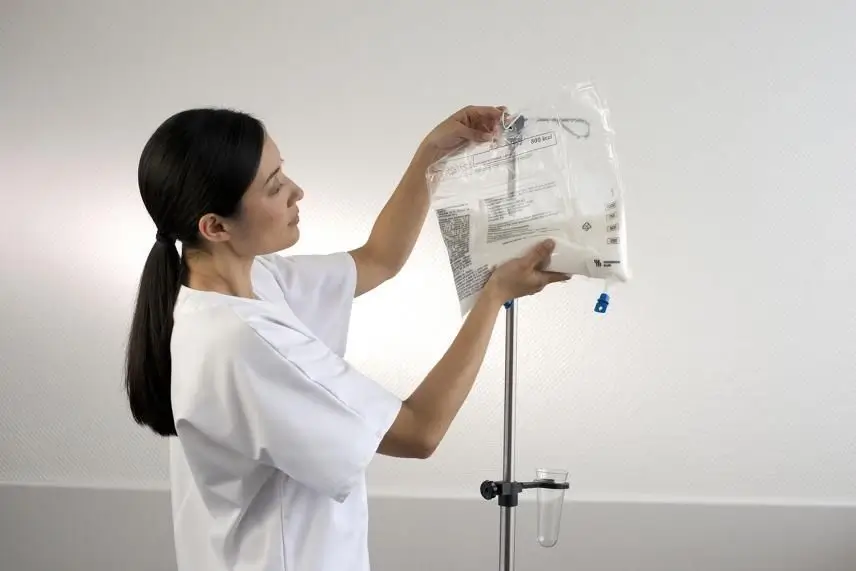
Home Enteral Nutrition Support
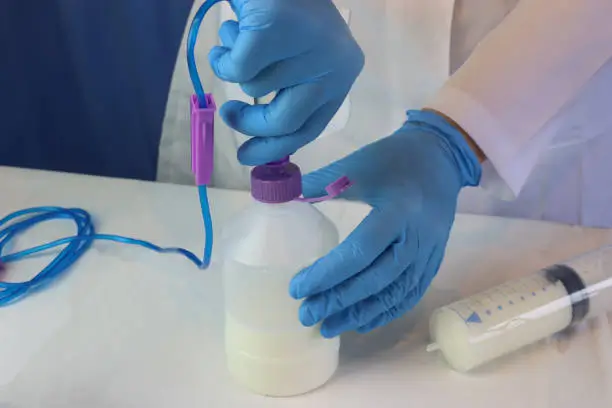
Enteral Nutrition Assessment
Enteral nutrition assessment involves a comprehensive evaluation of the patient’s medical condition, gastrointestinal function, swallowing ability, and current nutritional status to determine suitability for tube feeding.
Clinical history, physical findings, laboratory values, and calorie–protein requirements are analyzed to design a safe, effective, and individualized enteral nutrition plan supporting recovery and healing.
Neurological Patient Feeding Care
Neurological patient feeding care focuses on assessing swallowing ability, consciousness level, and gastrointestinal function to ensure safe and effective enteral nutrition support.
Individualized feeding strategies help prevent aspiration, maintain adequate nutrition, support neurological recovery, and improve overall strength, comfort, and quality of life.
What We Do
Multidisciplinary Nutrition Care
Physicians, clinical dietitians, nurses, and speech therapists collaborate to deliver coordinated, evidence-based enteral nutrition support.
Patient & Caregiver Education
Clear instructions are provided on feeding procedures, tube care, hygiene practices, and warning signs to ensure safe continuation.
Transition & Nutrition Progression
As patient condition improves, enteral feeding is gradually adjusted or transitioned to oral nutrition with ongoing monitoring and medical supervision.
Resources
Administrative Subspecialities
Parenteral Nutrition
Specialized Diets
Consistency Diets
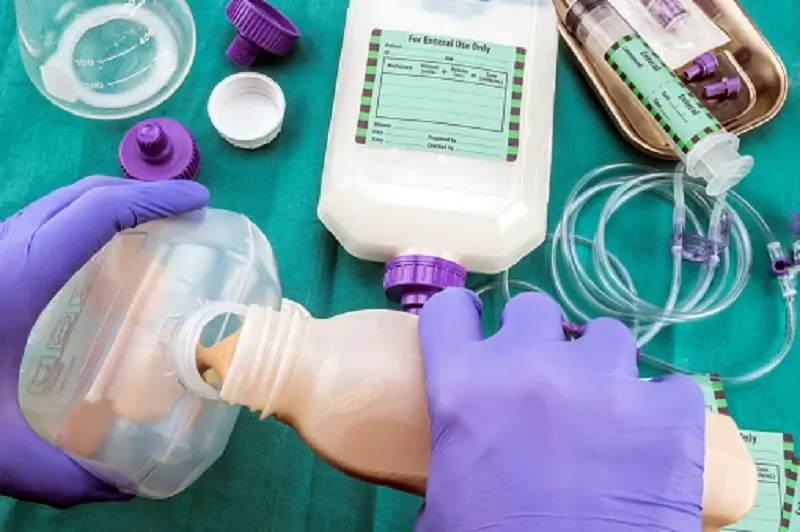
We provide personalized enteral nutrition for therapeutic needs, supporting recovery in chronic, neurological, post-surgical, and critical patients, with safe feeding plans, monitoring, and guidance for optimal health outcomes.
What sets us apart is our personalized approach. Our nutrition specialists design and monitor enteral feeding plans, coordinating with physicians to ensure safe, effective therapeutic nutrition, supporting recovery and long-term well-being.
Medicine FAQs
General Enteral Nutrition
Enteral nutrition provides complete nutrition through the gastrointestinal tract using feeding tubes when patients cannot meet nutritional needs through normal oral intake.
Patients with swallowing difficulties, neurological disorders, critical illness, cancer, or poor appetite may require enteral nutrition to maintain adequate nutrition safely.
Yes, when prescribed and monitored by specialists, enteral nutrition is safe, effective, and supports gut function while reducing infection risks compared to parenteral feeding.
Indications & Eligibility
It is recommended when oral intake is insufficient but the digestive system is functional, ensuring nutrition delivery while preserving intestinal integrity.
Yes, elderly patients with feeding difficulties or chronic illness can safely receive enteral nutrition under medical supervision for improved strength and recovery.
Enteral nutrition is suitable for children with growth failure or medical conditions, with age-appropriate formulas ensuring balanced nutrition and healthy development.
Types of Feeding Tubes
Common tubes include nasogastric, nasojejunal, gastrostomy, and jejunostomy tubes, selected based on duration, condition, and patient comfort.
Tube placement depends on digestive function, aspiration risk, expected feeding duration, and physician assessment to ensure safety and effectiveness.
Tube placement causes minimal discomfort and is performed by trained professionals using safe techniques to ensure patient comfort and correct positioning.
Enteral Formulas
Formulas include standard, high-protein, disease-specific, fiber-enriched, and elemental options tailored to individual nutritional and medical requirements.
Yes, dietitians customize formulas based on calorie needs, disease condition, tolerance, and laboratory parameters for optimal nutritional outcomes.
Most medical enteral formulas are lactose-free, easily digestible, and designed to minimize gastrointestinal intolerance.
Administration Methods
It can be given as bolus, intermittent, or continuous feeding using gravity or infusion pumps, depending on patient tolerance.
Continuous feeding delivers nutrition slowly over several hours, improving tolerance in critically ill or high-risk patients.
Yes, with proper training, caregivers can safely administer enteral nutrition at home under Nishat Hospital’s guidance.
Home Enteral Nutrition
Home enteral nutrition allows patients to continue tube feeding safely at home with medical supervision and support.
Yes, Nishat Hospital provides comprehensive training on feeding administration, tube maintenance, and complication recognition.
Stable patients requiring long-term nutritional support can opt for home enteral nutrition after medical evaluation.
Transition to Oral Therapeutic Diet
Transition to an oral therapeutic diet involves gradually shifting patients from enteral feeding to oral intake as swallowing and gastrointestinal function improve.
Careful monitoring ensures nutritional requirements continue to be met, prevents complications, and supports a safe, effective return to normal or modified diets tailored to individual therapeutic needs.
Gradual shift from enteral feeding to oral intake as patient’s swallowing improves.
Continuous monitoring of nutritional intake and tolerance.
Prevention of complications such as aspiration or malnutrition.
Individualized diet plans tailored to medical condition and therapeutic goals.
Support for safe, effective, and comfortable transition to normal or modified diets.
Secure online access to your health information whenever you need it. Check appointments, communicate with your provider and pay bills online 24/7.
Appointment Booking & Referrals
Nishat Hospital offers a streamlined appointment booking and referral system, ensuring patients can easily schedule consultations with specialists. Our team assists with quick referrals, minimizing delays in accessing quality care and treatment